Introduction to Utah’s National Parks
Utah’s Mighty 5 includes Arches National Park, Bryce Canyon National Park, Canyonlands National Park, Capitol Reef National Park, and Zion National Park, making Utah national parks a must-see destination for travelers seeking adventure and natural beauty. Most travelers start their Utah national parks road trip from either Salt Lake City or Las Vegas. For convenient access to all five parks, purchasing an America the Beautiful national parks pass is highly recommended.
Utah’s national parks offer a unique blend of natural wonders, scenic drives, and outdoor activities. The grandeur and scenic beauty of these parks, especially Canyonlands National Park, are often compared to the iconic Grand Canyon, showcasing expansive, awe-inspiring canyon landscapes. Travelers can expect to encounter crowds at popular parks like Zion and Arches, especially during peak seasons.
Visitors can explore the parks’ stunning scenery, hiking trails, and geological formations.
The Mighty 5 road trip is a popular adventure that attracts visitors from around the world.
Overview of the Mighty 5
- The Mighty 5 national parks are located in southern Utah, with Salt Lake City being the closest major city.
- Each park has its own unique features, such as the famous arches in Arches National Park and the hoodoos in Bryce Canyon National Park.
- Canyonlands National Park is divided into four districts: Island in the Sky, The Needles, The Maze, and The Rivers. The Island in the Sky district features must-see scenic overlooks like Grand View Point and Buck Canyon, both offering breathtaking panoramic views of the canyon landscape and the Green River below. The Needles District is a less crowded, remote area known for its striking landscapes, unique geological features, and excellent hiking opportunities.
- Capitol Reef National Park is known for its colorful cliffs, scenic drives, and the unique geological formation called the Waterpocket Fold. The park is also home to several historical sites, including petroglyphs carved into the rocks.
- Zion National Park is famous for its narrow canyons and unique rock formations.
The total driving distance for the Mighty 5 road trip is approximately 1,100 miles, and the route can be done in either direction, starting from Zion or Canyonlands.
Best Time to Visit
- The best time to visit Utah’s national parks is from April to May and from September to October.
- These periods offer mild weather, fewer crowds, and optimal conditions for hiking and outdoor activities.
- Summer months can be hot, while winters can be cold and snowy.
- Visitors should check the weather forecast before planning their trip.
- It’s also important to consider the park’s opening hours, entrance fees, and any specific regulations.
Planning the Road Trip
Getting to Utah
- The closest major airports to Utah’s national parks are Salt Lake City International Airport and Las Vegas McCarran International Airport.
- Visitors can rent a car or book a guided tour to explore the parks.
- Utah’s national parks are accessible by car, with scenic drives and highways connecting the parks.
- Visitors should check the road conditions before embarking on their trip.
- It’s also important to have a valid driver’s license, car insurance, and a reliable vehicle.
Accommodations and Gear
- Visitors can choose from a range of accommodations, including hotels, lodges, and camping sites. It’s essential to book accommodations in advance, especially during peak season.
- Visitors should pack comfortable hiking boots, clothing, and gear for outdoor activities.
- A camera, binoculars, and a map are also recommended.
- Visitors should check the park’s website for specific gear recommendations and regulations.
Road Trip Itinerary
Arches National Park
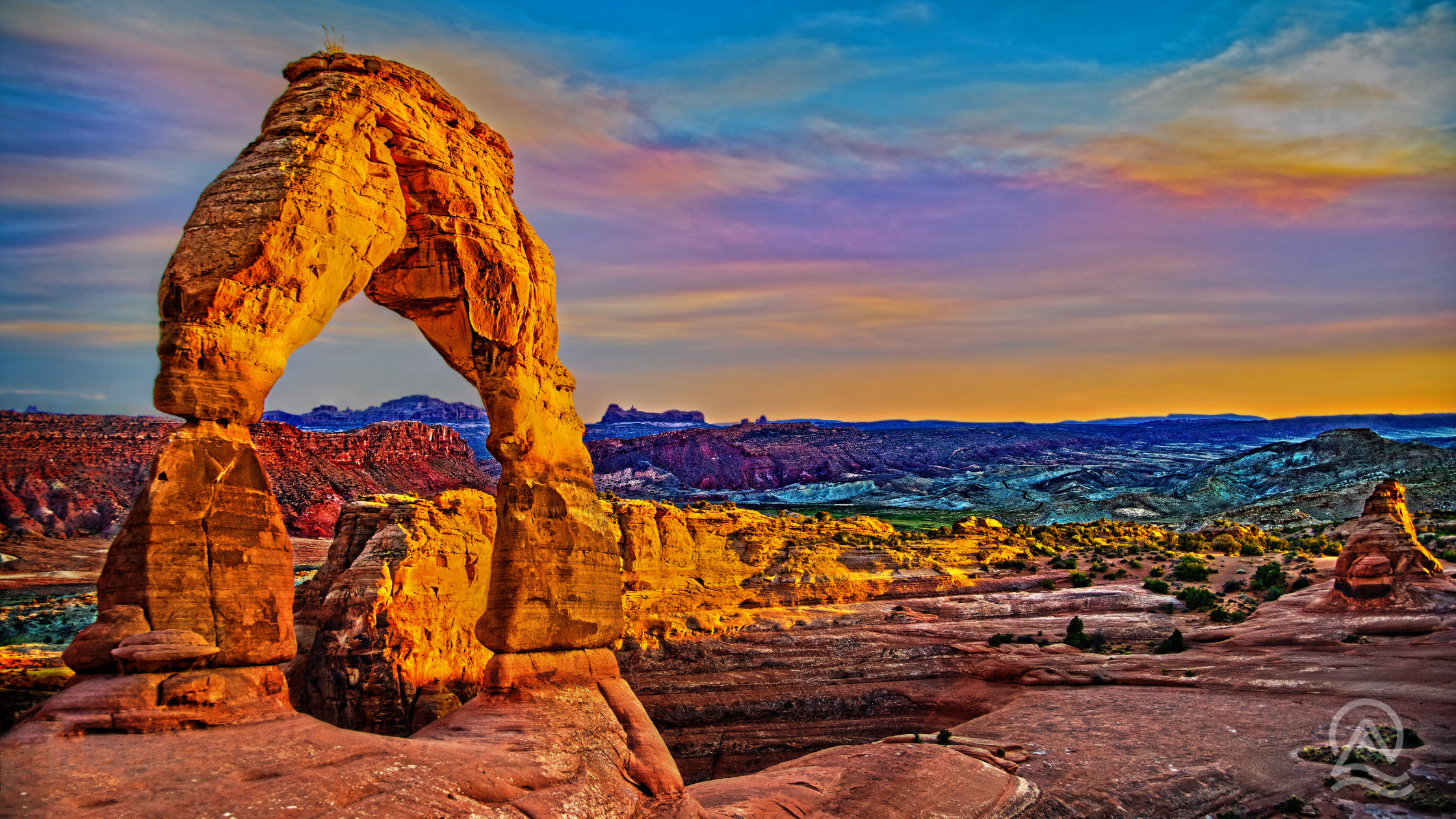
- The famous Arches National Park is a major outdoor destination, home to over 2,000 natural arches, including the iconic Delicate Arch.
- Visitors can hike to the upper and lower viewpoints of Delicate Arch. Arches National Park is also very popular and can be crowded, particularly due to its proximity to Moab.
- The park’s scenic drive offers stunning views of the surrounding landscape and showcases the park’s stunning rock formations, including notable features like Double Arch, Landscape Arch, and Sand Dune Arch.
- Visitors can explore the park’s many hiking trails, including the Devils Garden Trail.
- The park’s visitor center provides information on trails, scenic drives, and park regulations.
There are no restaurants inside Arches National Park, so visitors need to venture out for meals.
Canyonlands National Park
Canyonlands National Park is a breathtaking highlight of Utah’s Mighty 5, renowned for its dramatic vistas that rival the grandeur of the Grand Canyon and offer endless opportunities for outdoor adventure. Divided into four distinct districts—Island in the Sky, The Needles, The Maze, and the rivers themselves—this national park offers something for every explorer. The Island in the Sky district is the most accessible, featuring a scenic drive with panoramic overlooks such as Grand View Point and Buck Canyon, both must-see stops for sweeping views of the canyons, mesas, and the winding Green River and Colorado River far below. Don’t miss the iconic Mesa Arch, a favorite sunrise spot for photographers and a must-see natural wonder. Adventurers can tackle a variety of hiking trails, from easy walks to challenging treks, or experience the thrill of mountain biking along rugged routes. For those with a taste for off-road excitement, four-wheel driving is a popular way to discover the park’s unique geological formations, including towering mesas, sculpted arches, and dramatic buttes. Whether you’re seeking solitude, stunning scenery, or heart-pounding adventure, Canyonlands National Park is an essential stop on any Mighty 5 road trip.
Bryce Canyon National Park
Bryce Canyon National Park is a true gem among Utah’s national parks, celebrated for its otherworldly rock formations and vibrant colors. Located near Bryce Canyon City, this national park is famous for its distinctive hoodoos—tall, thin spires of rock that create a surreal landscape unlike anywhere else. Visitors can embark on a scenic drive to iconic viewpoints such as Sunset Point and Sunrise Point, where the play of light on the red and orange rocks creates unforgettable vistas. The park’s network of hiking trails caters to all levels, from leisurely rim walks to the adventurous Navajo Loop Trail and Queen’s Garden Trail, which wind down into the heart of the canyon. Along the way, you’ll encounter stunning scenery, unique rock formations like Thor’s Hammer, and abundant opportunities for photography and wildlife spotting. With its breathtaking views and easy access to amenities in Bryce Canyon City, Bryce Canyon National Park is a must-visit destination for anyone exploring Utah’s Mighty 5.
Capitol Reef National Park
- Capitol Reef National Park is known for its colorful cliffs and scenic drives. Capitol Reef is the least visited of the Mighty 5, offering a quieter experience.
- Visitors can explore the park’s scenic drives, hiking trails, and scenic overlooks. Be sure to explore Capitol Reef beyond the main scenic drive, including remote areas like Cathedral Valley for unique backcountry scenery.
- The park’s visitor center provides information on trails, scenic drives, and park regulations. The park also features historic fruit orchards where visitors can enjoy homemade pie from Gifford Farm.
- Visitors can hike to the Hickman Bridge, a natural rock formation.
- The park’s scenic drive offers stunning views of the surrounding landscape.
Zion National Park
Zion National Park stands out as one of the most beloved national parks in the country, drawing visitors with its awe-inspiring scenery and diverse outdoor activities. The park is known for its unique rock formations, slot canyons, and challenging hikes, making it a top destination for outdoor enthusiasts. Zion’s dramatic canyons and massive sandstone cliffs provide a stunning backdrop for adventure, whether you’re driving along the scenic route, hiking to Observation Point, or exploring the famous Canyon Overlook Trail.
Zion’s extensive shuttle system makes it easy to access popular trailheads and viewpoints, allowing you to fully immerse yourself in the park’s natural beauty. The most popular trails in Zion National Park include The Narrows and Angel’s Landing. Angel’s Landing is a challenging hike that is iconic for its breathtaking views and requires a permit in advance due to its popularity and difficulty. The Narrows, another favorite, takes you through the park’s remarkable slot canyons, offering a unique and adventurous hiking experience.
For the best experience, start your day early in the morning to avoid crowds and make the most of your visit. Highlights also include the tranquil Emerald Pools and the meandering Virgin River, which offers opportunities for kayaking and fishing. With its rich variety of hiking trails, breathtaking vistas, and unique geological features, Zion National Park is a must-see on any Mighty 5 itinerary. Whether you’re seeking a peaceful stroll or a heart-pounding climb, Zion’s stunning scenery and vibrant ecosystem promise an unforgettable experience.
Additional Destinations
Lake Powell
- Lake Powell is a popular destination for boating, swimming, and water sports.
- Visitors can rent a boat or take a guided tour to explore the lake.
- The area is also known for its scenic slot canyons, which offer unique opportunities for hiking and exploration.
- The lake’s scenic shoreline offers stunning views of the surrounding landscape.
- Visitors can hike to the nearby scenic overlooks, including the Wahweap Overlook.
- The lake’s visitor center provides information on boat rentals, tours, and park regulations.
Tips and Recommendations
Staying Safe on the Road
Embarking on a road trip through Utah’s Mighty 5—Arches National Park, Bryce Canyon National Park, Capitol Reef National Park, Canyonlands National Park, and Zion National Park—means adventure at every turn, but it also calls for smart planning and safety awareness. Whether you’re winding along the scenic drive in the Island in the Sky district, hiking the Navajo Loop Trail in Bryce Canyon, or exploring the remote Needles District of Canyonlands National Park, keeping safety top of mind ensures your journey is as enjoyable as it is unforgettable.
- Prep Your Vehicle: Before you set out to explore the stunning scenery of Utah’s national parks, give your vehicle a thorough check. Inspect the oil, brakes, tire pressure, and suspension to avoid unexpected breakdowns on remote stretches between parks like Capitol Reef and Bryce Canyon City.
- Monitor the Weather: Utah’s weather can shift quickly, especially in the high desert. Always check the forecast before heading out, and be prepared for sudden changes—flash floods, high winds, or extreme heat can impact your plans, especially on exposed trails or scenic overlooks.
- Know the Roads: Many scenic drives, such as those in Canyonlands National Park’s Island in the Sky or Capitol Reef’s Cathedral Valley, feature gravel roads, sharp turns, and steep drop-offs. Drive cautiously, especially after rain, and be alert for changing road conditions.
- Hike Smart: When tackling hiking trails in national parks, always bring plenty of water, snacks, and sun protection. Sturdy hiking boots are a must, and hiking poles can be a big help on challenging routes like the Navajo Loop Trail or the rocky paths near Delicate Arch. Start early to avoid midday heat and always let someone know your plans.
- Follow Park Rules: Each national park has its own set of guidelines—be sure to review them at the visitor center or online. Pay attention to shuttle system schedules in Zion National Park, entrance fee requirements, and any trail closures or restrictions.
- Pack an Emergency Kit: Keep a well-stocked emergency kit in your vehicle, including a first-aid kit, flashlight, extra water, and a spare tire. Know where the nearest visitor center or park ranger station is located in case you need assistance.
- Rest and Refuel: Long stretches between parks like Lake Powell and Goblin Valley State Park can be tiring. Take regular breaks to rest, stretch, and refuel—both your vehicle and yourself. Plan overnight stops in towns like Bryce Canyon City for a comfortable break.
- Watch for Wildlife: Utah’s national parks are home to deer, elk, and other wildlife that may cross the road unexpectedly. Drive cautiously, especially at dawn and dusk, and never approach or feed wild animals.
- Stay Connected: Cell service can be spotty in remote areas, especially in the Needles District or along backcountry roads. Download maps and guides ahead of time, and share your itinerary with a friend or family member.
- Stay Informed: Conditions can change quickly in the Mighty 5. Check for updates on park websites or at the visitor center regarding trail conditions, scenic drive closures, or weather alerts. Park rangers are a great resource for the latest information.
By following these essential safety tips, you’ll be well-prepared to enjoy the unique geological formations, breathtaking scenic overlooks, and unforgettable adventures that await in Utah’s Mighty 5. Prioritizing safety means you can focus on making memories—whether you’re marveling at the famous arches in Arches National Park, exploring the dramatic canyons of Zion, or soaking in the views from Bryce Point. With a little preparation and awareness, your Utah road trip will be as safe as it is spectacular.
Final Thoughts
- Utah’s national parks offer a unique blend of natural wonders, scenic drives, and outdoor activities.
- Visitors should plan their trip in advance, including booking accommodations and renting a car.
- It’s essential to check the park’s website for specific regulations, trail information, and scenic drives.
- Visitors should respect the park’s natural environment and wildlife.
- A guided tour or park ranger can provide valuable information and insights into the park’s unique features.
Conclusion
Recap of the Road Trip
The Utah Mighty 5 road trip is the ultimate adventure for anyone seeking to experience the best of America’s natural wonders. Spanning over 1,500 miles, this journey takes you through the iconic landscapes of Arches, Bryce Canyon, Capitol Reef, Canyonlands, and Zion national parks. Along the way, you’ll marvel at unique geological formations, from the iconic Delicate Arch to the hoodoos of Bryce Canyon and the dramatic cliffs of Capitol Reef. The route also offers the chance to explore the stunning scenery of Monument Valley and other breathtaking destinations. Whether you’re hiking, driving, or simply soaking in the views, the Mighty 5 road trip delivers a once-in-a-lifetime experience filled with adventure, discovery, and unforgettable memories. With each park offering its own distinct beauty and activities, this road trip is a must for anyone eager to explore Utah’s mighty landscapes and natural wonders.