Utah has 5 national parks, 44 state parks, 7 national monuments, 2 national recreation areas, and over 34 million acres of public land. The terrain runs from 13,000-foot alpine peaks in the Uintas to 2,200-foot desert floor near St. George, with everything from sandstone arches to slot canyons to blue-ribbon trout streams in between. For RV travelers, it is one of the most rewarding states in the country to explore, and one of the most varied.
The challenge is that Utah’s best camping spots span 400 miles from north to south and sit at elevations ranging from 3,000 to 8,000+ feet. What works in June at Bryce Canyon would be miserable in Springville in August and impossible in the Uintas in December. Planning an RV trip in Utah means understanding the geography, the seasons, and which parks serve as the best base camps for each region. RJourney operates 6 parks across Utah, from the Wasatch Front to the southern red rock corridor, and this guide covers all of them alongside other options in each area.
Utah's RV Regions at a Glance
Utah’s RV camping breaks down into 4 main corridors:
- Wasatch Front (Springville, Salt Lake City area): Urban access, year-round camping, gateway to the Uintas and Park City.
- Northern Utah / Uinta Mountains (Kamas, Coalville): Alpine camping, trout fishing, Mirror Lake Scenic Byway, Echo Reservoir.
- Central Utah (I-70 corridor): Capitol Reef access, Fishlake National Forest, transition zone between north and south.
- Southern Utah / National Parks (Cedar City, Panguitch, Cannonville, Page): Zion, Bryce Canyon, Grand Staircase-Escalante, Capitol Reef, Arches and Canyonlands.
Most RV travelers hitting Utah’s national parks follow either the I-15 corridor (north-south through Cedar City) or the Highway 12/89 scenic route through Panguitch and Cannonville. The smart play is to base camp at parks along these routes and day-trip into the parks, avoiding the limited in-park camping that fills months ahead.
Northern Utah: Roam Echo Island and Roam Uinta
Northern Utah’s RV camping is defined by water and mountains. The Uinta range, the Provo River, Echo Reservoir, and the Mirror Lake Scenic Byway all sit within a 30-mile radius of each other, and 2 RJourney parks serve as base camps.
Roam Echo Island (Coalville)
Roam Echo Island covers 40 acres along the Weber River, 7 miles south of Echo Reservoir and 25 miles from Park City. GM Daniel has built this into an adventure-camp hybrid with an aerial treetop ropes course with 5 ziplines (160 ft, up to 25 mph), a treetop trampoline, a stocked fishing pond, a streamside cold dip, and 2 pickleball courts. RV sites have full hookups on asphalt pads, alongside tent sites, cabins, and glamping tents. Year-round operation with heat-taped hookups and heated bathhouses makes this one of the few campgrounds in Summit County that stays open through winter. See the full Echo Reservoir guide.
Roam Uinta (Kamas)
Roam Uinta sits on the Provo River at the gateway to Mirror Lake Scenic Byway (Highway 150). The river runs through the property, and the riverside sites are the park’s crown jewels, booking 1 to 2 years ahead with repeat guests. GM Becka Kangas runs a destination park, not a pass-through. Most visitors come from the Wasatch Front and treat it as their go-to mountain getaway. The Provo River through the park is blue-ribbon trout water, artificial lures only, 2 trout limit, and you can fish from your campsite on riverside spots.
Southern Utah / National Parks Circuit
Southern Utah is why most RV travelers come to the state: the national parks, the slot canyons, the red rock, the dark skies. RJourney operates 3 parks along the southern corridor, each positioned as a base camp for a different section of the park circuit.
Cedar City RV Resort (Cedar City)
Cedar City is the gateway to Zion (60 miles south), Bryce Canyon (80 miles east), Cedar Breaks National Monument (30 minutes up the mountain), and Brian Head ski resort. The Utah Shakespeare Festival runs May through October. The resort sits on Main Street with full-hookup 30/50-amp pull-throughs, cabins, the only pool in Cedar City, a dog park, and a playground. Rates from $40/night, $650/month. It is the best single base camp for hitting both Zion and Bryce Canyon without moving your rig.
Dixie Forest RV Resort (Panguitch)
Panguitch sits at 6,600 feet between Bryce Canyon (24 miles) and Panguitch Lake (18 miles). Dixie Forest serves as the quiet base camp on the Highway 89 corridor, with pull-through and back-in full-hookup 30/50-amp sites, tent sites, rustic and deluxe cabins, and a picnic table and fire pit at every site. Rates from $15/night, $600/month. Open approximately May through October. It is the affordable, uncrowded alternative to the parks closer to Bryce Canyon’s entrance.
Bryce Canyon RV Resort (Cannonville)
Bryce Canyon RV Resort sits in Cannonville, 12 miles east of the park entrance on Scenic Byway 12, regularly ranked among the most scenic roads in America. Full-hookup 30/50-amp sites, pull-throughs, tent sites, cabins, and lodging, plus a pool, dog park, playground, basketball court, and game room. Rates from $36.50/night, $800/month. Cannonville is small (170 people), which means dark skies and quiet.
Planning a Multi-Park RV Route Through Utah
Utah’s geography rewards a route built around base camps. Here are three that cover the state at different paces.
The Classic Southern Loop (7 to 14 Days)
For first-time Utah visitors with an RV, the southern loop hits the highlights: Cedar City (2 to 3 nights) as a base for Zion day trips and Cedar Breaks; Panguitch or Cannonville (2 to 3 nights) for Bryce Canyon, Red Canyon, and Kodachrome Basin; Capitol Reef (1 to 2 nights), the quietest of the Big 5; and Moab (2 to 3 nights) for Arches and Canyonlands. That loop covers 4 of Utah’s 5 national parks plus a stack of national monuments.
The Northern Circuit (3 to 7 Days)
For Wasatch Front visitors or travelers entering from Wyoming: Springville (1 to 2 nights) for I-15 access, urban amenities, and the Nebo Loop; Coalville and Roam Echo Island (2 to 3 nights) for Echo Reservoir, the Weber River, Park City access, and the zip lines; and Kamas and Roam Uinta (2 to 3 nights) for the Mirror Lake Scenic Byway and Provo River fishing.
The Full State Traverse (14+ Days)
Start at Roam Springville on the Wasatch Front. Head north to Roam Echo Island and Roam Uinta for mountain camping and fishing. Drive south on I-15 to Cedar City. Continue east to Dixie Forest in Panguitch and Bryce Canyon RV Resort in Cannonville. The full circuit covers 600+ miles and every major landscape Utah has to offer.
Explore More Nearby
More RV parks and campgrounds near you:
Wasatch Front Base Camp: Roam Springville RV Resort
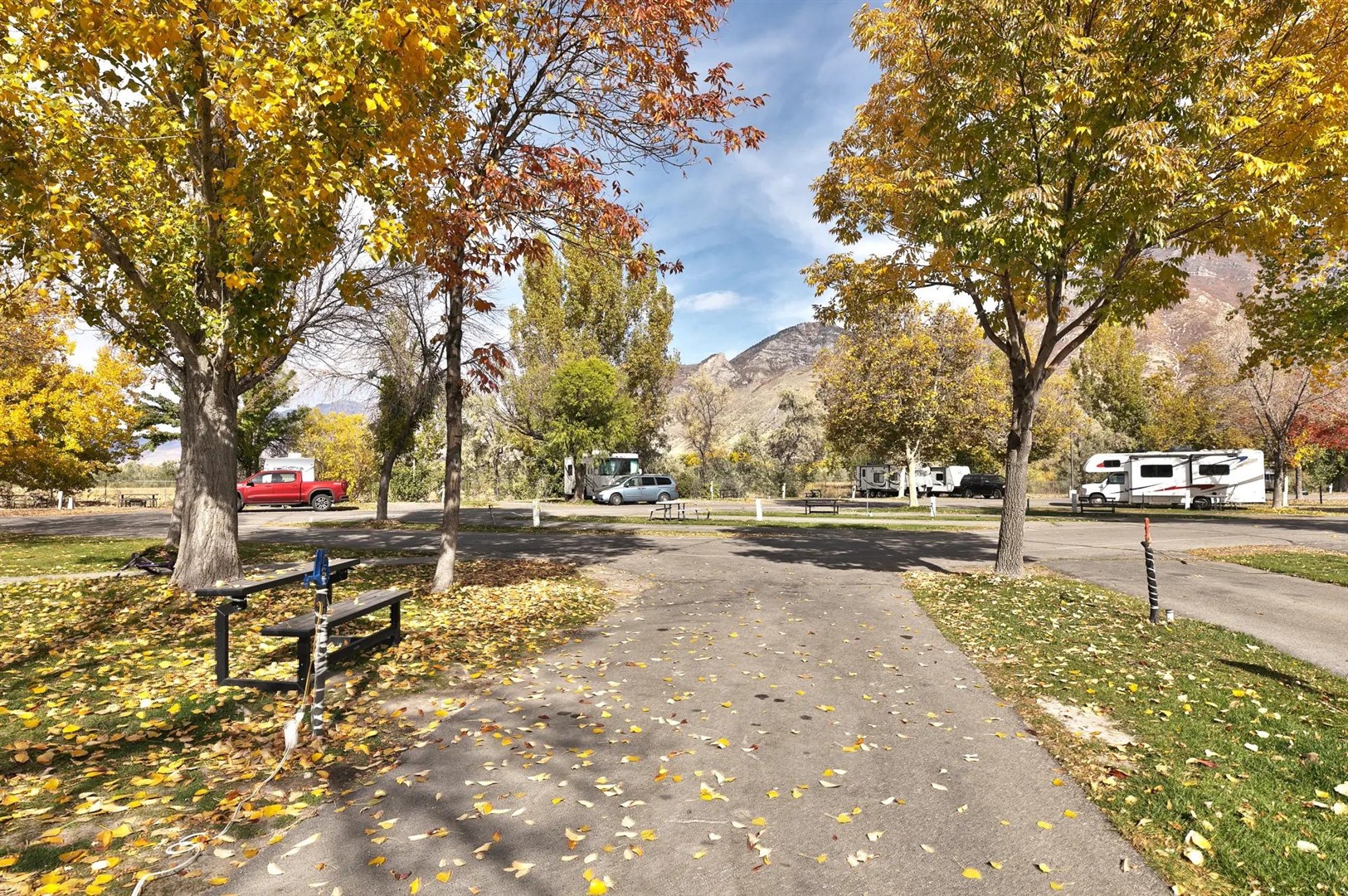
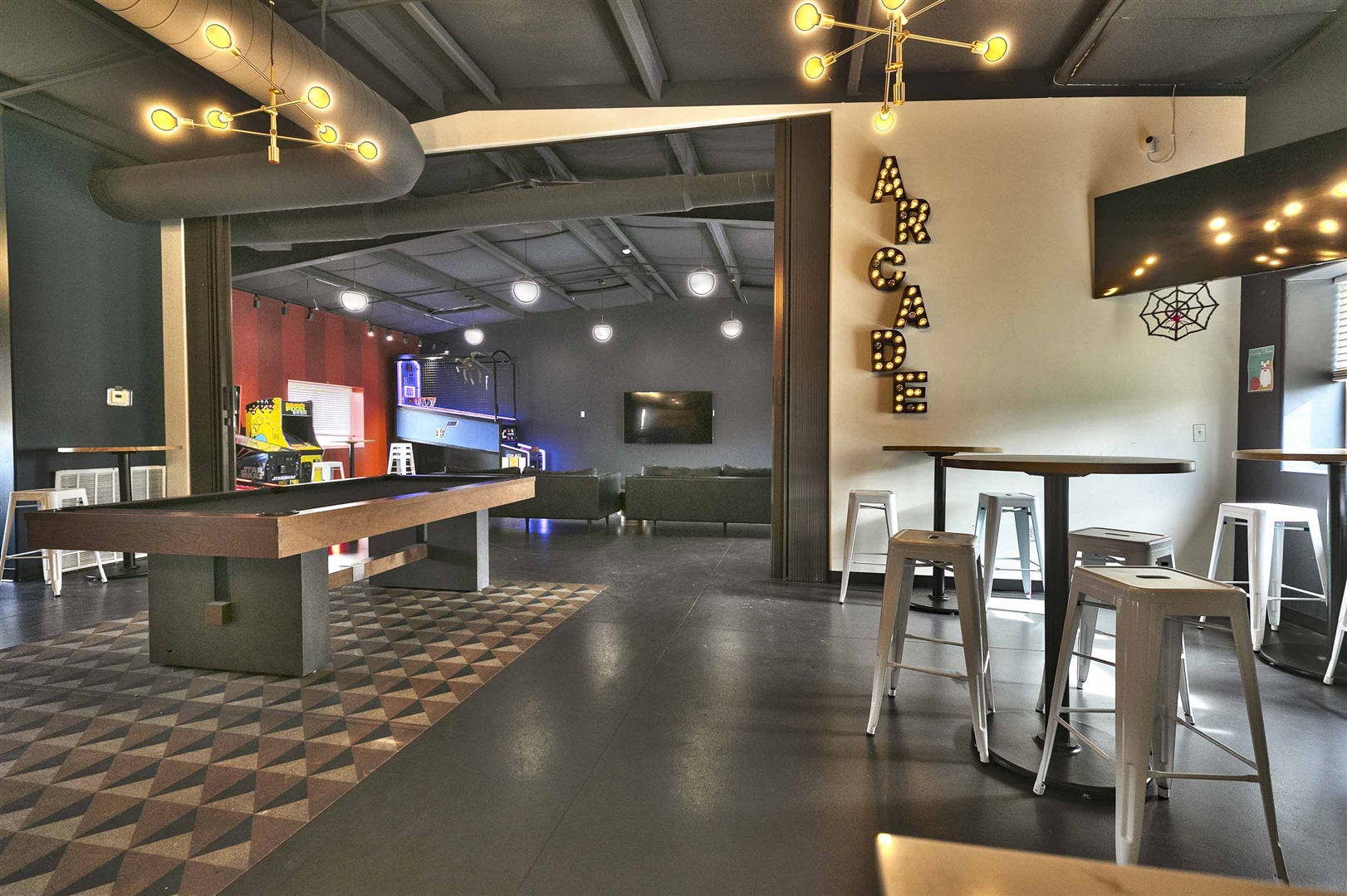
Roam Springville sits right off I-15 at Exit 261, which makes it the most accessible RV park in Utah County and one of the best-positioned for travelers moving between Salt Lake City and southern Utah. The park is fully paved (roads and pads), open year-round, and within 10 minutes of restaurants, grocery stores, and everything the Springville-Provo corridor offers. It runs 223 paved full-hookup RV sites built around extended stays, with a Recreation Hall that anchors the property: bowling, arcade games, pool tables, shuffleboard, a full kitchen, and big-screen TVs. GM Matthew runs a clean, efficient operation. You are 45 minutes from Salt Lake City, 20 minutes from Provo Canyon, 10 minutes from Utah Lake, and positioned at the start of the Nebo Scenic Loop.
Sites & Hookups
All 223 sites are paved with full hookups: water, sewer, and electric, with 30-amp and 50-amp available. The paved pads are a real upgrade over gravel for extended-stay residents: no dust tracking into the rig, no mud after rain, and a level surface that holds. Back-in and pull-through sites accommodate rigs up to 70 feet, and deluxe pull-throughs add fire pits, patio furniture, and benches. Every site gets a picnic table. Full ADA accessibility runs through the whole property, every site, pathway, and facility built to ADA standards rather than retrofitted. There are no cabins; this is an RV park built for rigs and for guests staying weeks or months. Designated tent sites are available.
What's On-Site
The amenity list is built for residents, not just vacationers. The standout is the Recreation Hall with a 2-lane bowling alley, arcade games, pool tables, shuffleboard, a full kitchen, and big-screen TVs, which gives families and long-term guests something to do on evenings and weekends without leaving the park. A seasonal pool opens for the summer months. On-site laundry handles the everyday load that matters most on extended stays, and there is a camp store, a playground, a dog park, a covered pavilion with grills, and two bathhouses with showers. WiFi covers the park, and full ADA accessibility reaches every facility, pathway, and site. Paved roads and pads keep the whole property clean, level, and dust-free.
What Guests Say
What guests praise: paved sites that stay clean in all weather, hookups that work reliably, and a park that feels organized and well-maintained. The Recreation Hall with bowling gets frequent mentions from families with kids, and the clubhouse comes up again and again as the reason people choose to stay, especially in colder months. Matthew and the team get credit for keeping operations running smoothly, which matters more than any single amenity for guests staying months at a time. What to know going in: this is an RV park in a suburban I-15 corridor, not a scenic riverside campground. The Wasatch views are real and the mountains are close, but the immediate surroundings are commercial and residential. For a functional, well-built base for work or transition in Utah County, it is one of the strongest options in the area.
Seasonal Guide for RV Camping in Utah
Spring (March through May)
Southern Utah is at its best: wildflowers in the desert, comfortable hiking temps in the 60s and 70s, and smaller crowds than summer. Northern parks start opening as snow recedes. The Mirror Lake Scenic Byway typically opens late May or early June depending on snowpack. The Wasatch Front thaws and trails dry out.
Summer (June through August)
Peak season statewide. Southern Utah bakes (100+ in the lowlands), but Bryce Canyon at 8,000 feet and the Uintas at 7,000+ stay comfortable. National parks run at maximum capacity. Book campgrounds well in advance. Early morning and evening are the only comfortable times for hiking at lower elevations.
Fall (September through October)
The best-kept secret in Utah RV camping. Crowds thin, temperatures moderate, and aspen and cottonwood foliage turns gold across the mountains. Fishing improves as water cools. Parks that were booked solid in July have availability in October.
Winter (November through March)
Southern Utah stays mild (40s to 60s daytime in the Zion and Capitol Reef areas). Northern Utah gets snow and cold. Year-round parks like Roam Echo Island and Roam Springville keep operating. Ski access from Springville (Sundance), Coalville (Park City), and Cedar City (Brian Head) opens up a winter RV lifestyle most people overlook.
Practical Tips for RV Camping in Utah
Utah RV parks range from 3,000 feet (southern desert) to 7,000+ feet (Uintas, Panguitch). Altitude affects engine performance, cooking times, sleep quality, and hydration. Give yourself a day to adjust if you are coming from sea level.
Most RJourney parks in Utah offer full hookups. State park and national park campgrounds generally do not. Plan your itinerary to alternate between full-service parks and dry camping if you are covering multiple parks.
Utah's fire season runs roughly June through October, and restrictions vary by county and federal land designation. Check current conditions with the local BLM or Forest Service office before building any fire.
Utah requires boat inspections for watercraft coming from out of state. Check the Utah DWR website for current decontamination station locations before towing a boat.
Coverage is reliable in towns and along I-15 but spotty to nonexistent in the Uintas (T-Mobile and AT&T especially), Grand Staircase-Escalante backcountry, and remote sections of Highway 12. Download offline maps before heading out.
Some Utah parks (Arches especially) require timed-entry reservations during peak season. Check nps.gov before your trip.
Frequently Asked Questions
What are the best RV parks in Utah?
RJourney operates 6 RV parks across Utah covering the major regions: Roam Springville (Wasatch Front, year-round, fully paved), Roam Echo Island (Coalville, Weber River, adventure amenities, year-round), Roam Uinta (Kamas, Provo River, gateway to Mirror Lake), Cedar City RV Resort (gateway to Zion and Bryce), Dixie Forest RV Resort (Panguitch, Bryce Canyon access), and Bryce Canyon RV Resort (Cannonville, on Scenic Byway 12).
How much do RV parks in Utah cost?
Rates vary by location and season. Nightly rates range from $15/night (Dixie Forest in Panguitch) to $40+/night (Cedar City). Monthly rates range from $600/month (Panguitch) to $975/month (Springville winter). Most parks offer discounts for weekly and monthly stays.
Can you camp in Utah national parks with an RV?
Yes, but options are limited. Most national park campgrounds have no hookups and fill months ahead, and sites may have length restrictions for large rigs. The practical approach is to base camp at a full-service RV park near the park (Cedar City for Zion, Cannonville for Bryce) and day-trip in.
Which Utah RV parks are open year-round?
Roam Springville, Roam Echo Island, and Cedar City RV Resort operate year-round. Roam Uinta is open year-round with reduced services in winter. Dixie Forest RV Resort in Panguitch operates seasonally (approximately May through October). Bryce Canyon RV Resort has variable seasonal operation.
What is the best time to RV camp in Utah?
Spring (April through May) and fall (September through October) offer the best combination of comfortable temperatures, manageable crowds, and full access to parks and trails. Summer is peak season with heavy crowds and extreme heat at lower elevations. Winter works well in southern Utah and at year-round parks with heated facilities.
Do Utah RV parks offer monthly rates?
Yes. Monthly rates are available at most RJourney Utah parks: Springville ($975/month winter), Cedar City ($650/month), Panguitch ($600/month), and Cannonville ($800/month). Roam Echo Island and Roam Uinta offer extended-stay options. Contact each park for current monthly availability.
Start Planning Your Utah RV Trip
Utah is the kind of state where you can camp on a trout stream in the morning, drive through 50 miles of canyon country in the afternoon, and fall asleep under stars so bright they look artificial. The state's 6 RJourney parks connect the dots between the Wasatch Front, the Uinta Mountains, and the southern red rock corridor, giving you full-service base camps at every major stop. Pick a region. Book a park. Drive south until the rock turns red.
See all site types, rates, and live availability on the Roam Springville RV Resort page.
Check Availability (801) 491-0700