The Best Time to Visit Utah National Parks

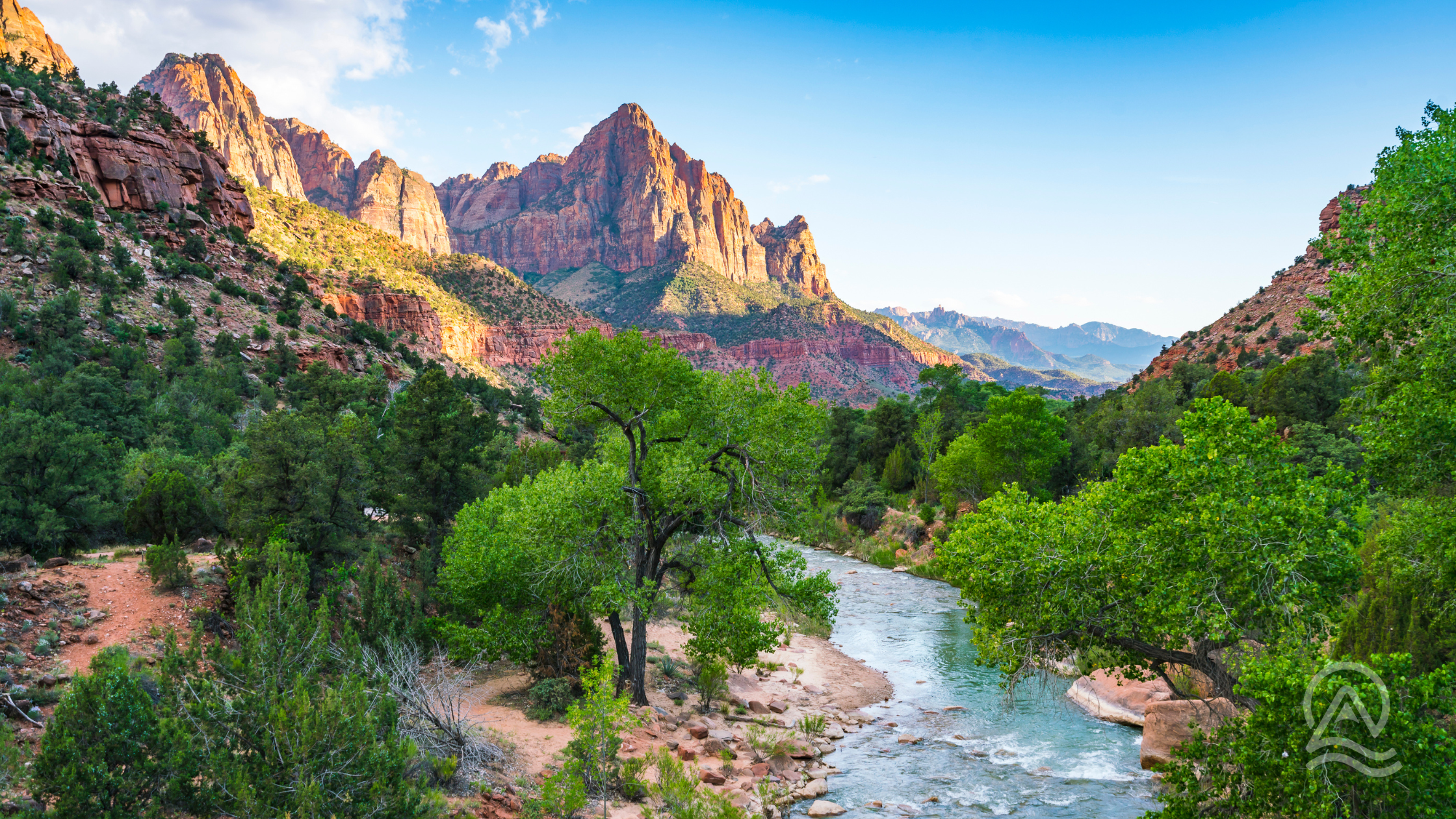
A River in Zion - one of Utahs National Park

Best Time to Visit Utah’s National Parks:
The best time to visit Utah’s national parks for ideal weather and fewer crowds is during the shoulder seasons: April–May and September–October. Fall (September–October) is widely considered the “secret season” for Utah’s national parks because of its predictable weather and cooler temperatures.

Introduction

Planning a trip to Utah’s national parks? This article covers the best times to visit, tips for avoiding crowds, and highlights of each park. Whether you’re a traveler, RVer, or photographer, timing your visit is crucial for enjoying pleasant weather, quieter trails, and the most stunning scenery. We’ll help you decide when to go, how to make the most of your trip, and what to expect throughout the year. Utah’s Mighty 5 refers to Arches, Bryce Canyon, Canyonlands, Capitol Reef, and Zion National Parks—five world-renowned parks known for their dramatic landscapes and unique rock formations.

Introduction to Utah’s Natural Beauty

  • RJourney’s travel blog highlights how Utah’s national parks offer endless opportunities for adventure seekers and outdoor adventure, with unique rock formations and deep canyons that attract outdoor enthusiasts and nature lovers.
  • Utah’s Mighty 5 national parks (Arches, Bryce Canyon, Canyonlands, Capitol Reef, and Zion National Parks) each offer unique geological features and iconic sites, making them must-see destinations for any traveler.
  • The state’s diverse landscapes, from white sandstone domes to mesa arches, make it an excellent place for hiking, mountain biking, and off-roading.
  • Utah’s national parks are a popular destination, with the National Park Service operating several parks, including Capitol Reef National Park and Canyonlands National Park.
  • Utah’s national parks offer a variety of outdoor adventure and iconic sites, allowing visitors to explore the Colorado River, Green Rivers, and other scenic areas, making Utah a must-visit for outdoor adventures.

Next, let’s explore the best times to visit for optimal conditions.

Best Time to Visit for Optimal Conditions

The best time to visit Utah’s national parks for ideal weather and fewer crowds is during the shoulder seasons: April–May and September–October. Spring and fall provide pleasant weather and are ideal for those looking to avoid crowds at popular viewpoints and trails. These months are perfect for enjoying outdoor activities and sightseeing without the congestion of peak summer. The climate varies between parks—lower-elevation parks like Arches and Zion experience scorching summers, while higher-elevation parks such as Bryce Canyon remain cooler. Bryce Canyon National Park is stunning year-round, but spring and fall provide pleasant weather without extreme temperatures. Fall (September–October) is widely considered the “secret season” for Utah’s national parks due to predictable weather and cooler temperatures.
Spring (April–May)

  • Wildflowers bloom, temperatures are mild, and crowds are moderate.
  • Ideal for hiking, photography, and sightseeing.
  • Rivers may run high with snowmelt, especially in April.

Summer (June–August)

  • Hot temperatures, especially in lower-elevation parks.
  • Peak crowds, particularly in Zion and Arches.
  • Early mornings and late afternoons are best for outdoor activities.

Fall (September–October)

  • Fall is widely considered the “secret season” for Utah’s national parks due to predictable weather and cooler temperatures.
  • Comfortable temperatures, fewer crowds, and golden light for photography.
  • Vibrant fall foliage, especially in higher elevations.

Winter (November–February)

  • Cold temperatures, snow at higher elevations, and minimal crowds.
  • Unique snow-covered landscapes and discounted lodging rates.
  • Some park facilities and roads may be closed or limited.
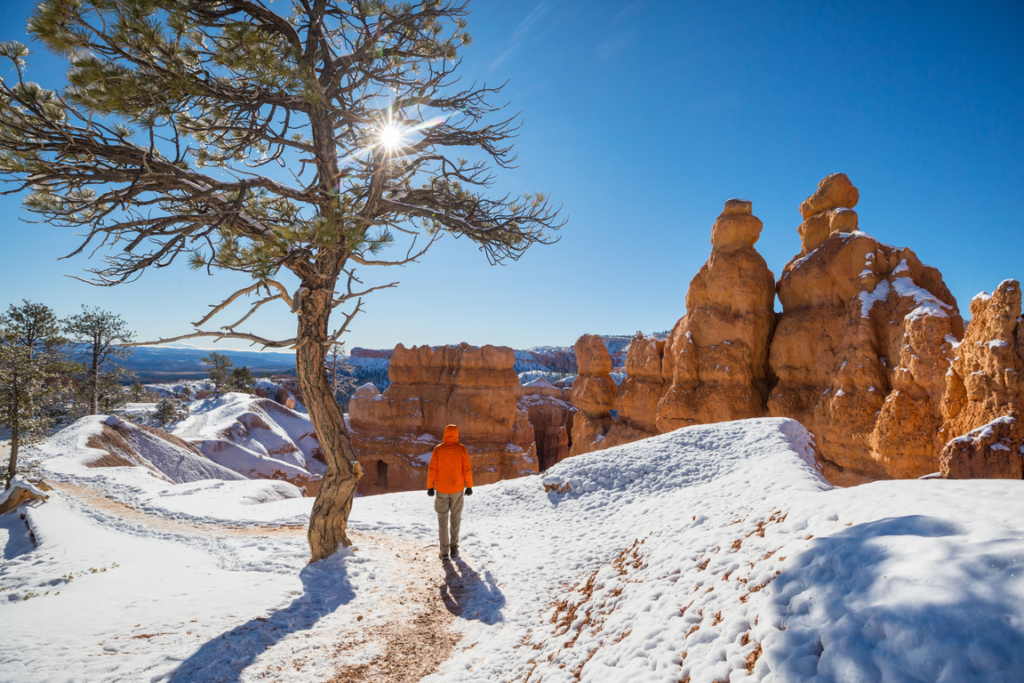
Hike in the Bryce Canyon National park in the winter season, Utah, USA

Reservations are essential for campgrounds in Utah’s national parks during peak seasons, especially if you’re looking for popular RV campgrounds in Utah close to the parks.

Next, let’s look at how to avoid crowds during your visit.

Avoiding Crowds in Popular Parks

Tips for Avoiding Crowds

  • Visit during the shoulder season (spring or fall) for fewer visitors and a more peaceful atmosphere.
  • Choose weekdays over weekends to avoid larger crowds.
  • Arrive early in the morning or later in the afternoon for cooler temperatures and quieter trails.
  • Avoid peak hours, typically from 8 a.m. to 4 p.m.
  • Explore alternative locations such as state parks and national monuments near the national parks for similar scenic views with fewer visitors.
  • Use the park’s shuttle system to reduce congestion.
  • Visit popular trails, such as those in Zion Canyon, early or late in the day.
  • Discover hidden gems like the Needles District in Canyonlands National Park for a more secluded experience.
  • Consider nearby bases like Cedar City RV Resort when exploring southern Utah.

Next, let’s take a closer look at what to expect in each month.

Utah National Parks Month-by-Month: What to Expect

Here’s what RV travelers and adventurers can expect throughout the year. Use this table to quickly scan the best months for your visit:

MonthWeather & ConditionsCrowdsHighlights
MarchMild, blooming wildflowersLow–ModeratePleasant hiking, longer days, fewer crowds
AprilMild, vibrant wildflowersModerateIdeal hiking, rivers rise, increasing crowds in Zion
MayWarm, wildflowers in full bloomModerate–HighComfortable temps, lively parks, not overly crowded
JuneHotter, especially in low elevationsHighEarly/late hikes best, busy parks
JulyHot, afternoon storms possiblePeakPlan activities early/late, stay hydrated
AugustHot, monsoon seasonHighEarly hikes, dramatic skies, crowds dip late in month
SeptemberCooler, golden lightModerate“Secret season,” fewer crowds, great for photographers
OctoberCrisp, fall colorsLow–Moderate“Secret season,” quiet trails, golden light, scenic beauty
NovemberCool, possible early snowLowQuiet trails, solitude, late autumn scenery
DecemberCold, snow at higher elevationsVery LowSolitude, discounted lodging, snow-covered landscapes
JanuaryColdest, snow likely at elevationVery LowTranquil, discounted lodging, winter beauty
FebruaryCold, snow-dusted sceneryVery LowQuiet, solitude, discounted rates

Next, let’s explore highlights and tips for each park.

Exploring Capitol Reef National Park

  • Capitol Reef National Park is a lesser-visited park, offering a more peaceful experience for visitors.
  • Capitol Reef sees fewer visitors than other parks, making it a great choice for quiet trails, especially in spring and fall.
  • The park features a scenic drive, hiking trails, and unique rock formations, including the iconic Balanced Rock.
  • Visitors can explore the park’s remote areas, including the wilderness of the Waterpocket Fold.
  • The park operates on a first-come, first-served basis, making it an excellent choice for those who plan ahead.

Next, let’s discover what Canyonlands National Park has to offer.

Discovering Canyonlands National Park

Canyonlands National Park is divided into four districts: Island in the Sky, The Needles, The Maze, and the rivers themselves, each offering unique landscapes and experiences.

  • The Island in the Sky district offers scenic views of the Colorado River and surrounding landscape and is the most popular and accessible area for visitors.
  • Canyonlands is ideal to visit in spring and fall, allowing for longer hikes without the risk of heat exhaustion. The grandeur and scenic beauty of Canyonlands are often compared to the iconic Grand Canyon, making it a must-see for those seeking awe-inspiring vistas.
  • Visitors can hike, camp, and explore the park’s rugged terrain, including the White Rim Road.
  • The park’s remote areas, including Horseshoe Canyon, offer a chance to experience true wilderness. Exploring remote districts like The Maze requires a high level of self-sufficiency, as visitors must be prepared for independent backcountry navigation and survival.

Next, let’s highlight some of the most iconic formations in Arches National Park.

Balanced Rock and Other Formations

  • Balanced Rock is one of the most iconic formations in Arches National Park.
  • The park features over 2,000 natural arches, including Delicate Arch and Mesa Arch.
  • Visitors can hike to these formations, taking in the stunning views and unique landscapes. Clear skies in September and October provide ideal conditions for hiking and photography, with golden light during early morning and late afternoon enhancing the landscape.
  • Spring and fall are the best times for photography in Arches National Park.
  • The park’s scenic drive offers a chance to see many of these formations from the comfort of your vehicle.

Next, let’s review some essential road trip tips for exploring Utah’s national parks.

Road Trip Tips for Utah

  • Planning a Utah road trip is a fantastic way to experience the state’s diverse landscapes and unique formations.
  • Travelers often start their journey from Salt Lake City or Las Vegas, both of which serve as convenient gateways to the national parks.
  • The total driving distance for the Mighty 5 road trip is approximately 1,100 miles, and the route can be completed in either direction, starting from Zion or Canyonlands.
  • Green River is a notable stop along the way, offering scenic views and a great place to rest.

Road Trip Tips

  • The best way to explore Utah’s national parks is often by RV, providing comfort, convenience, and easy immersion into the parks’ natural wonders.
  • Plan ahead by booking accommodations and tours in advance, especially during peak season.
  • Bring plenty of water, food, and supplies, as services can be limited in remote areas.
  • Consider renting a vehicle with high clearance, as some roads can be rough and rocky.
  • Stay connected during your Utah road trip by ensuring you have reliable internet access, especially in remote areas where cell service may be limited.

Next, let’s discuss how to plan your trip and secure campground reservations.

Planning Your Trip to National Parks

When planning your trip to Utah’s national parks, consider the time of year and your interests. Upon arrival, stop by the visitor center for maps, information, and orientation to help you make the most of your visit.

Campground Reservations

  • Book accommodations and tours in advance, especially during peak season, as reservations are essential for campgrounds in Utah’s national parks.
  • Each park has unique campground options and high demand during peak times:
    • Arches National Park: The Devil’s Garden campground fills up quickly during peak seasons.
    • Bryce Canyon National Park: North and Sunset campgrounds fill up quickly in summer.
    • Canyonlands National Park: Campgrounds are first-come/first-served and can fill up quickly during peak seasons.
    • Capitol Reef National Park: The developed Fruita Campground requires reservations from March through October. Nearby RV parks such as Dixie Forest RV Resort make great bases for exploring multiple parks.
    • Zion National Park: Watchman and South Campground require reservations during peak seasons.

Be sure to check the park’s website for up-to-date information on trail closures and weather conditions.

Next, let’s explore some of the remote areas you can visit for solitude and stargazing.

Remote Areas to Explore

  • Utah’s national parks offer many remote areas to explore, including the wilderness of the Waterpocket Fold.
  • These remote regions are perfect for those seeking solitude and quiet trails, especially during off-peak seasons.
  • Stargazing is also a popular activity here, thanks to the parks’ dark skies and minimal light pollution.
  • Visitors can hike, camp, and experience true solitude in these areas.
  • Be sure to bring plenty of supplies and plan ahead, as services can be limited.
  • Consider hiring a guide or joining a tour to explore these areas safely and responsibly.

Next, let’s wrap up with a summary and conclusion.

Conclusion

Utah’s Mighty 5 national parks (Arches, Bryce Canyon, Canyonlands, Capitol Reef, and Zion National Parks) are truly a treasure trove for adventure seekers, outdoor enthusiasts, and nature lovers. Utah’s national parks offer some of the most breathtaking landscapes, unique red rock formations, and a variety of outdoor adventure opportunities in the country. Each park features iconic sites, dramatic cliffs, and scenic overlooks that inspire awe in every visitor.

Zion National Park is the most visited park in Utah, renowned for its dramatic canyons and unique rock formations. Among the most popular trails in Zion are The Narrows and Angels Landing—both iconic hikes that attract adventure seekers from around the world. Note that Angels Landing requires a permit due to its challenging nature and popularity. Observation Point is another must-see destination in Zion, offering panoramic vistas, while Bryce Canyon National Park’s Sunset Point is famous for its breathtaking views of the park’s hoodoos and colorful landscapes. For those exploring Bryce Canyon, Bryce Canyon City serves as a convenient base with lodging and dining options just outside the park gates.

When planning your visit, keep in mind that summer can bring extreme heat, making sun protection essential for comfort and safety during outdoor activities. The best time to visit Utah’s national parks for ideal weather and fewer crowds is during the shoulder seasons: April–May and September–October. Fall (September–October) is widely considered the “secret season” for Utah’s national parks because of its predictable weather and cooler temperatures. Early fall, in particular, offers cooler temperatures and vibrant fall colors, perfect for hiking, mountain biking, and exploring scenic drives like the Capitol Reef Scenic Byway. If you prefer a quieter experience, consider visiting in late October or during the off season, when crowd levels drop and higher elevations may be dusted with snow, adding a magical touch to the landscape.

Hiking trails in Utah’s national parks cater to all levels, from leisurely walks to challenging treks, ensuring everyone can enjoy the adventure. The Mighty 5 national parks offer a mix of outdoor adventures, including hiking, climbing, and photography opportunities, making them ideal for both thrill seekers and those looking to soak in the views.

No matter your interests—be it hiking, mountain biking, off-roading, or simply enjoying the scenic overlooks—Utah’s national parks have something for everyone. To make the most of your trip, plan ahead by checking the National Park Service website for the latest updates on trail conditions, weather, and crowd levels. Booking accommodations and tours in advance is especially important during peak tourist season.
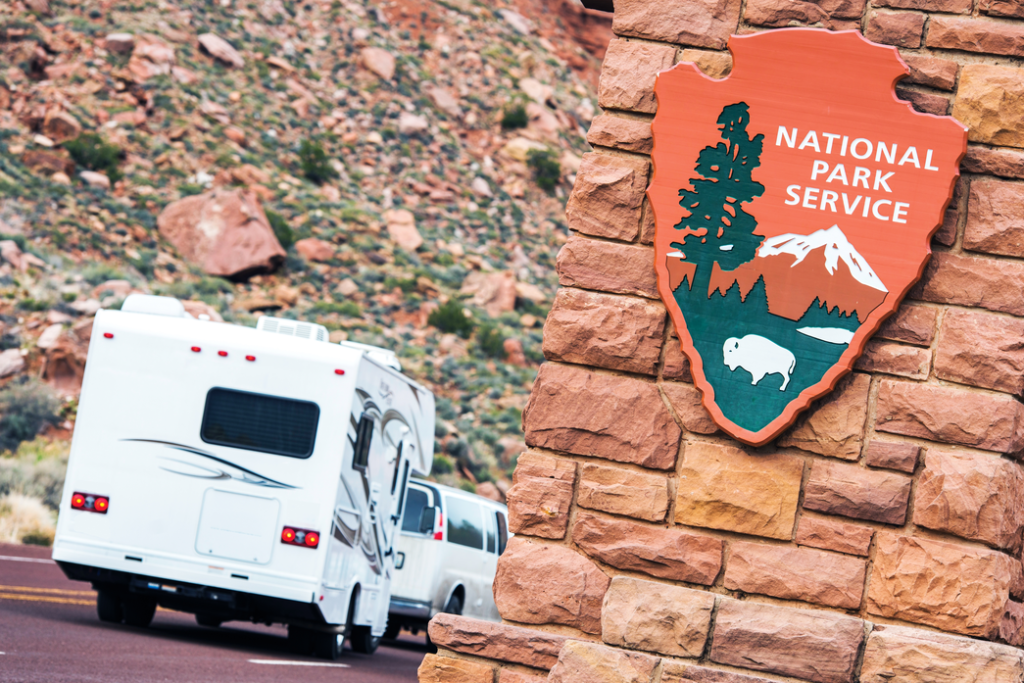
An RV enters a U.S. National Park

With the highest concentration of national parks in the country, southern Utah is an excellent place for a road trip or a longer getaway. Whether you’re traveling from Salt Lake City or embarking on a cross-country adventure, you’ll find endless opportunities for outdoor adventure, from short hikes to multi-day excursions in remote areas.

So, pack your bags, remember your sun protection, lace up your hiking boots, and get ready to visit Utah’s national parks. With their stunning landscapes, iconic hikes, dramatic cliffs, and endless hidden gems, these parks are the perfect destination for anyone looking to experience the best of the great outdoors. Start planning your trip today and see for yourself why Utah’s Mighty 5 are a must-visit for every adventurer.

    subscribe to our newsletter

    social connects

    © rjourney 2025. All rights reserved.
    privacy policy | terms and conditions

    About this park

    Direction Details

    Parking Details

    Reservation Changes

    Pet Policy

    Promo Booking Window :
    Stay Period :

    About this park

    What does this park offer

    Amenities
    Activities