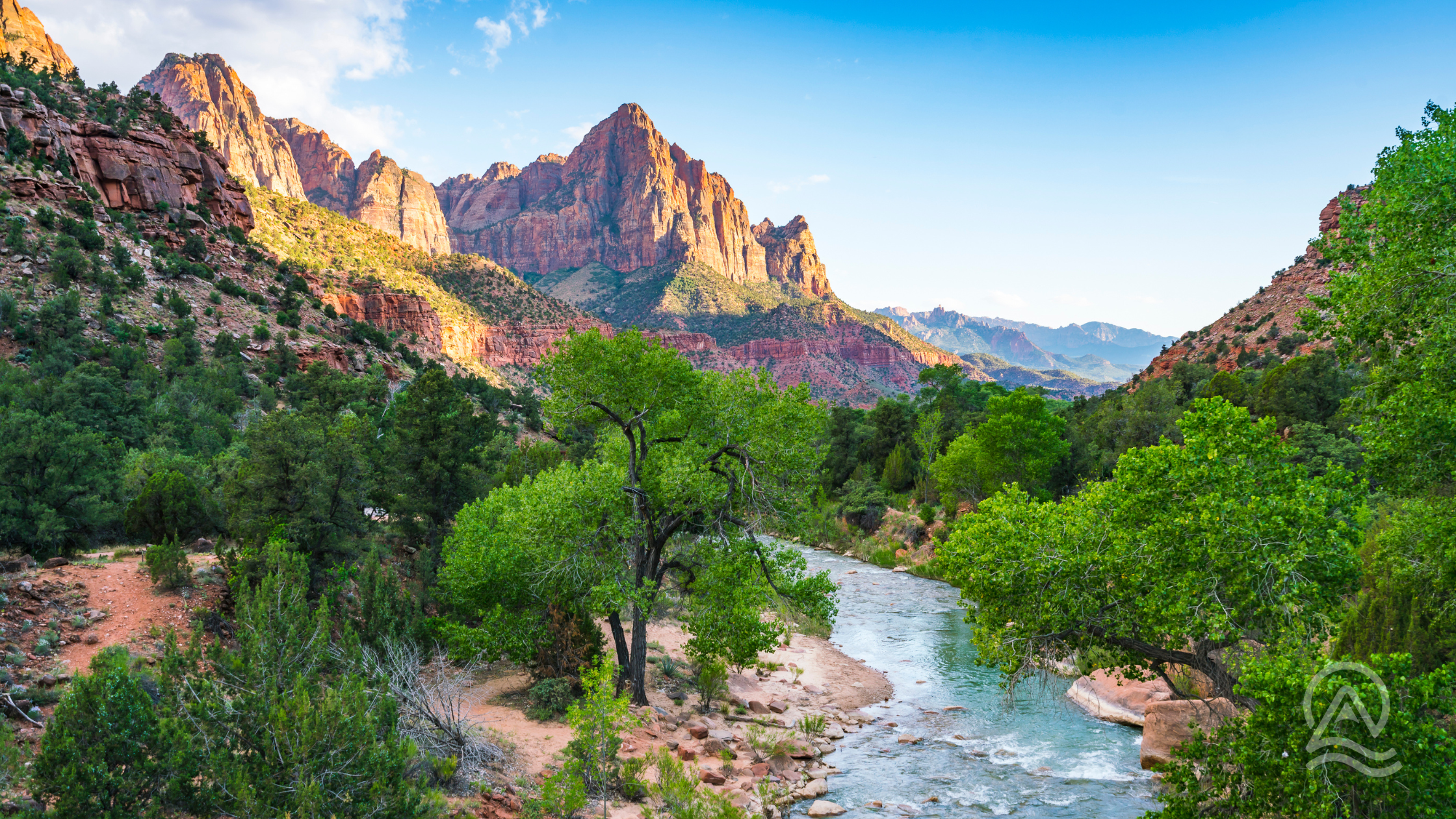
Best Time to Visit Utah’s National Parks:
The best time to visit Utah’s national parks for ideal weather and fewer crowds is during the shoulder seasons: April–May and September–October. Fall (September–October) is widely considered the “secret season” for Utah’s national parks because of its predictable weather and cooler temperatures.
Planning a trip to Utah’s national parks? This article covers the best times to visit, tips for avoiding crowds, and highlights of each park. Whether you’re a traveler, RVer, or photographer, timing your visit is crucial for enjoying pleasant weather, quieter trails, and the most stunning scenery. We’ll help you decide when to go, how to make the most of your trip, and what to expect throughout the year. Utah’s Mighty 5 refers to Arches, Bryce Canyon, Canyonlands, Capitol Reef, and Zion National Parks—five world-renowned parks known for their dramatic landscapes and unique rock formations.
Next, let’s explore the best times to visit for optimal conditions.
The best time to visit Utah’s national parks for ideal weather and fewer crowds is during the shoulder seasons: April–May and September–October. Spring and fall provide pleasant weather and are ideal for those looking to avoid crowds at popular viewpoints and trails. These months are perfect for enjoying outdoor activities and sightseeing without the congestion of peak summer. The climate varies between parks—lower-elevation parks like Arches and Zion experience scorching summers, while higher-elevation parks such as Bryce Canyon remain cooler. Bryce Canyon National Park is stunning year-round, but spring and fall provide pleasant weather without extreme temperatures. Fall (September–October) is widely considered the “secret season” for Utah’s national parks due to predictable weather and cooler temperatures.
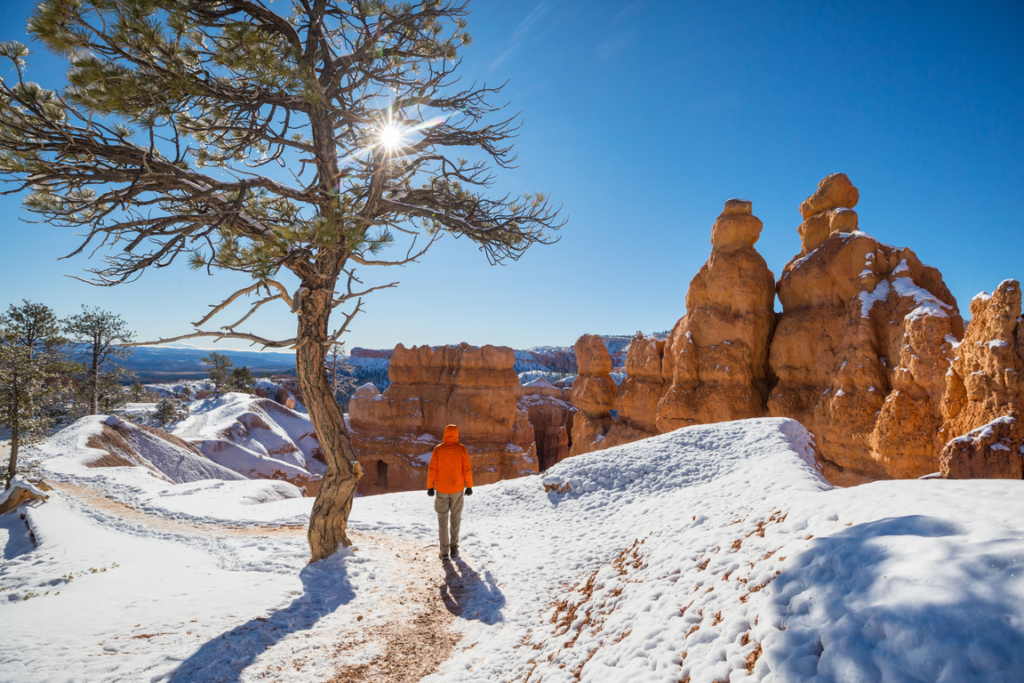
Reservations are essential for campgrounds in Utah’s national parks during peak seasons, especially if you’re looking for popular RV campgrounds in Utah close to the parks.
Next, let’s look at how to avoid crowds during your visit.
Next, let’s take a closer look at what to expect in each month.
Here’s what RV travelers and adventurers can expect throughout the year. Use this table to quickly scan the best months for your visit:
| Month | Weather & Conditions | Crowds | Highlights |
|---|---|---|---|
| March | Mild, blooming wildflowers | Low–Moderate | Pleasant hiking, longer days, fewer crowds |
| April | Mild, vibrant wildflowers | Moderate | Ideal hiking, rivers rise, increasing crowds in Zion |
| May | Warm, wildflowers in full bloom | Moderate–High | Comfortable temps, lively parks, not overly crowded |
| June | Hotter, especially in low elevations | High | Early/late hikes best, busy parks |
| July | Hot, afternoon storms possible | Peak | Plan activities early/late, stay hydrated |
| August | Hot, monsoon season | High | Early hikes, dramatic skies, crowds dip late in month |
| September | Cooler, golden light | Moderate | “Secret season,” fewer crowds, great for photographers |
| October | Crisp, fall colors | Low–Moderate | “Secret season,” quiet trails, golden light, scenic beauty |
| November | Cool, possible early snow | Low | Quiet trails, solitude, late autumn scenery |
| December | Cold, snow at higher elevations | Very Low | Solitude, discounted lodging, snow-covered landscapes |
| January | Coldest, snow likely at elevation | Very Low | Tranquil, discounted lodging, winter beauty |
| February | Cold, snow-dusted scenery | Very Low | Quiet, solitude, discounted rates |
Next, let’s explore highlights and tips for each park.
Next, let’s discover what Canyonlands National Park has to offer.
Canyonlands National Park is divided into four districts: Island in the Sky, The Needles, The Maze, and the rivers themselves, each offering unique landscapes and experiences.
Next, let’s highlight some of the most iconic formations in Arches National Park.
Next, let’s review some essential road trip tips for exploring Utah’s national parks.
Next, let’s discuss how to plan your trip and secure campground reservations.
When planning your trip to Utah’s national parks, consider the time of year and your interests. Upon arrival, stop by the visitor center for maps, information, and orientation to help you make the most of your visit.
Be sure to check the park’s website for up-to-date information on trail closures and weather conditions.
Next, let’s explore some of the remote areas you can visit for solitude and stargazing.
Next, let’s wrap up with a summary and conclusion.
Utah’s Mighty 5 national parks (Arches, Bryce Canyon, Canyonlands, Capitol Reef, and Zion National Parks) are truly a treasure trove for adventure seekers, outdoor enthusiasts, and nature lovers. Utah’s national parks offer some of the most breathtaking landscapes, unique red rock formations, and a variety of outdoor adventure opportunities in the country. Each park features iconic sites, dramatic cliffs, and scenic overlooks that inspire awe in every visitor.
Zion National Park is the most visited park in Utah, renowned for its dramatic canyons and unique rock formations. Among the most popular trails in Zion are The Narrows and Angels Landing—both iconic hikes that attract adventure seekers from around the world. Note that Angels Landing requires a permit due to its challenging nature and popularity. Observation Point is another must-see destination in Zion, offering panoramic vistas, while Bryce Canyon National Park’s Sunset Point is famous for its breathtaking views of the park’s hoodoos and colorful landscapes. For those exploring Bryce Canyon, Bryce Canyon City serves as a convenient base with lodging and dining options just outside the park gates.
When planning your visit, keep in mind that summer can bring extreme heat, making sun protection essential for comfort and safety during outdoor activities. The best time to visit Utah’s national parks for ideal weather and fewer crowds is during the shoulder seasons: April–May and September–October. Fall (September–October) is widely considered the “secret season” for Utah’s national parks because of its predictable weather and cooler temperatures. Early fall, in particular, offers cooler temperatures and vibrant fall colors, perfect for hiking, mountain biking, and exploring scenic drives like the Capitol Reef Scenic Byway. If you prefer a quieter experience, consider visiting in late October or during the off season, when crowd levels drop and higher elevations may be dusted with snow, adding a magical touch to the landscape.
Hiking trails in Utah’s national parks cater to all levels, from leisurely walks to challenging treks, ensuring everyone can enjoy the adventure. The Mighty 5 national parks offer a mix of outdoor adventures, including hiking, climbing, and photography opportunities, making them ideal for both thrill seekers and those looking to soak in the views.
No matter your interests—be it hiking, mountain biking, off-roading, or simply enjoying the scenic overlooks—Utah’s national parks have something for everyone. To make the most of your trip, plan ahead by checking the National Park Service website for the latest updates on trail conditions, weather, and crowd levels. Booking accommodations and tours in advance is especially important during peak tourist season.
With the highest concentration of national parks in the country, southern Utah is an excellent place for a road trip or a longer getaway. Whether you’re traveling from Salt Lake City or embarking on a cross-country adventure, you’ll find endless opportunities for outdoor adventure, from short hikes to multi-day excursions in remote areas.
So, pack your bags, remember your sun protection, lace up your hiking boots, and get ready to visit Utah’s national parks. With their stunning landscapes, iconic hikes, dramatic cliffs, and endless hidden gems, these parks are the perfect destination for anyone looking to experience the best of the great outdoors. Start planning your trip today and see for yourself why Utah’s Mighty 5 are a must-visit for every adventurer.