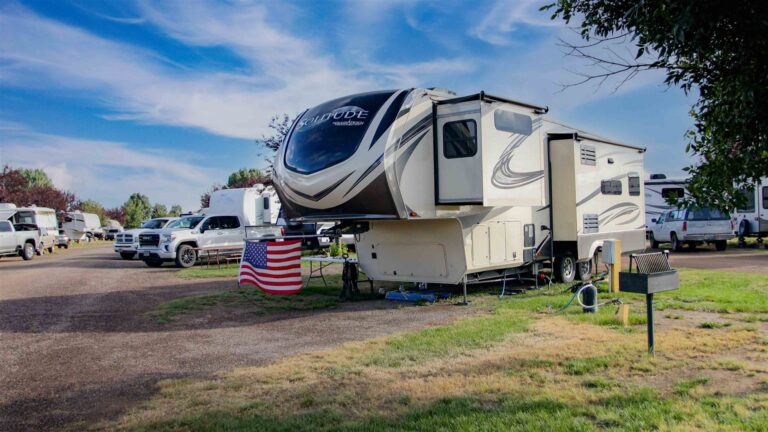
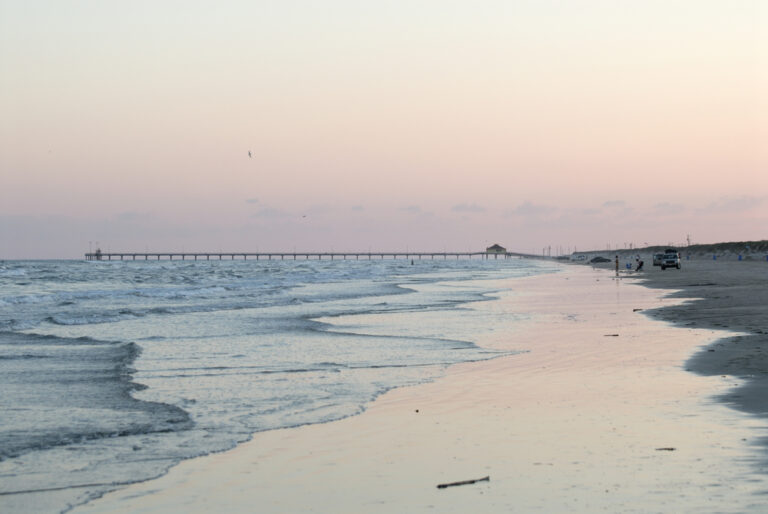
An RV park is a commercial property built for the rig: gravel or paved sites, full hookups, and easy in-and-out access, usually close to a highway. A campground is built around the setting first, with wooded or waterfront sites, fire rings, and room for tents alongside RVs. An RV resort takes the RV park model and stacks amenities on top: pools, clubhouses, planned activities, and staff whose whole job is your stay.
The 3 terms overlap more than the names suggest, and plenty of properties wear 2 of them at once. Here’s how the categories break down in practice, what each one typically costs, and how to match the label to the trip you’re planning.
The quick answer
| Type | Built around | Typical hookups | Typical nightly rate |
|---|---|---|---|
| Campground | The setting: trees, water, fire rings | Partial (water + electric), some full | $25 to $55 |
| RV park | Convenience: pull-throughs, highway access | Full (water, electric, sewer) | $35 to $75 |
| RV resort | Amenities: pools, clubhouses, events | Full, often 50-amp with cable or WiFi | $60 to $150+ |
Those ranges move with location and season. A waterfront campground on a July weekend can out-price a highway RV park in April, so treat the categories as a guide to what you’re paying for, and check real rates for real dates.
What is a campground?
A campground puts the land first. Sites sit under trees or along the water, each one usually with a fire ring and a picnic table, and tent campers share the property with RVs. Hookups lean partial: water and electric at the site, with a dump station and bathhouse serving the rest. The trade is fewer conveniences for more of the reason you left home in the first place.
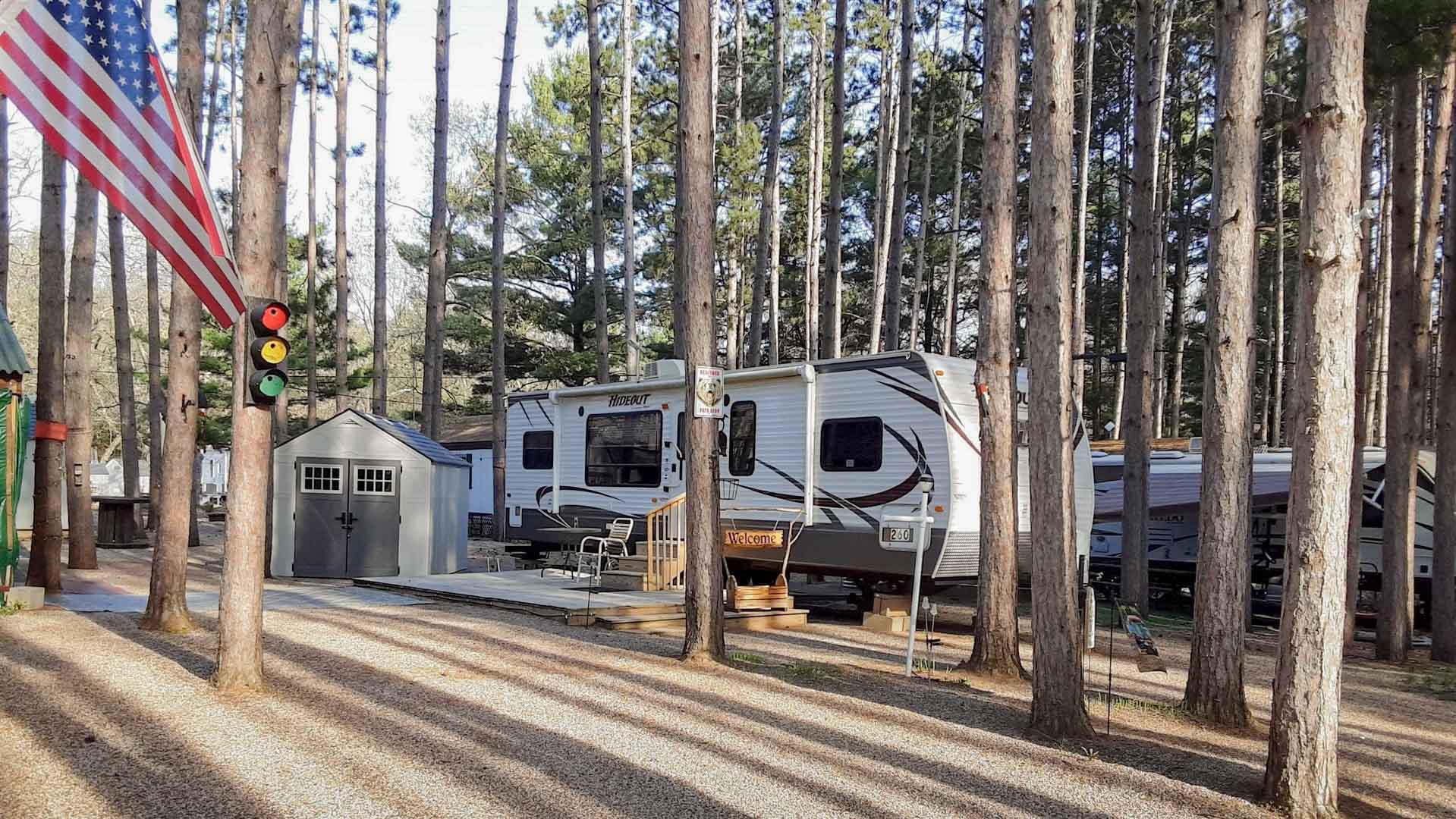
Pearl Lake RV Campground in Redgranite, Wisconsin is the shape of the category: a spring-fed lake, a swim beach, and campsites that have been hosting families since 1969. You come for the water, and the rig is how you got there.
What is an RV park?
An RV park is built for the rig and the road. Expect level gravel or paved pads, full hookups (water, electric, sewer) at every site, pull-throughs you can enter without unhitching, and a location that gets you off the highway and leveled in 15 minutes. Most take overnight, weekly, and monthly stays, which makes them the workhorse category for travelers covering distance and for anyone living in the RV while they work a contract nearby.
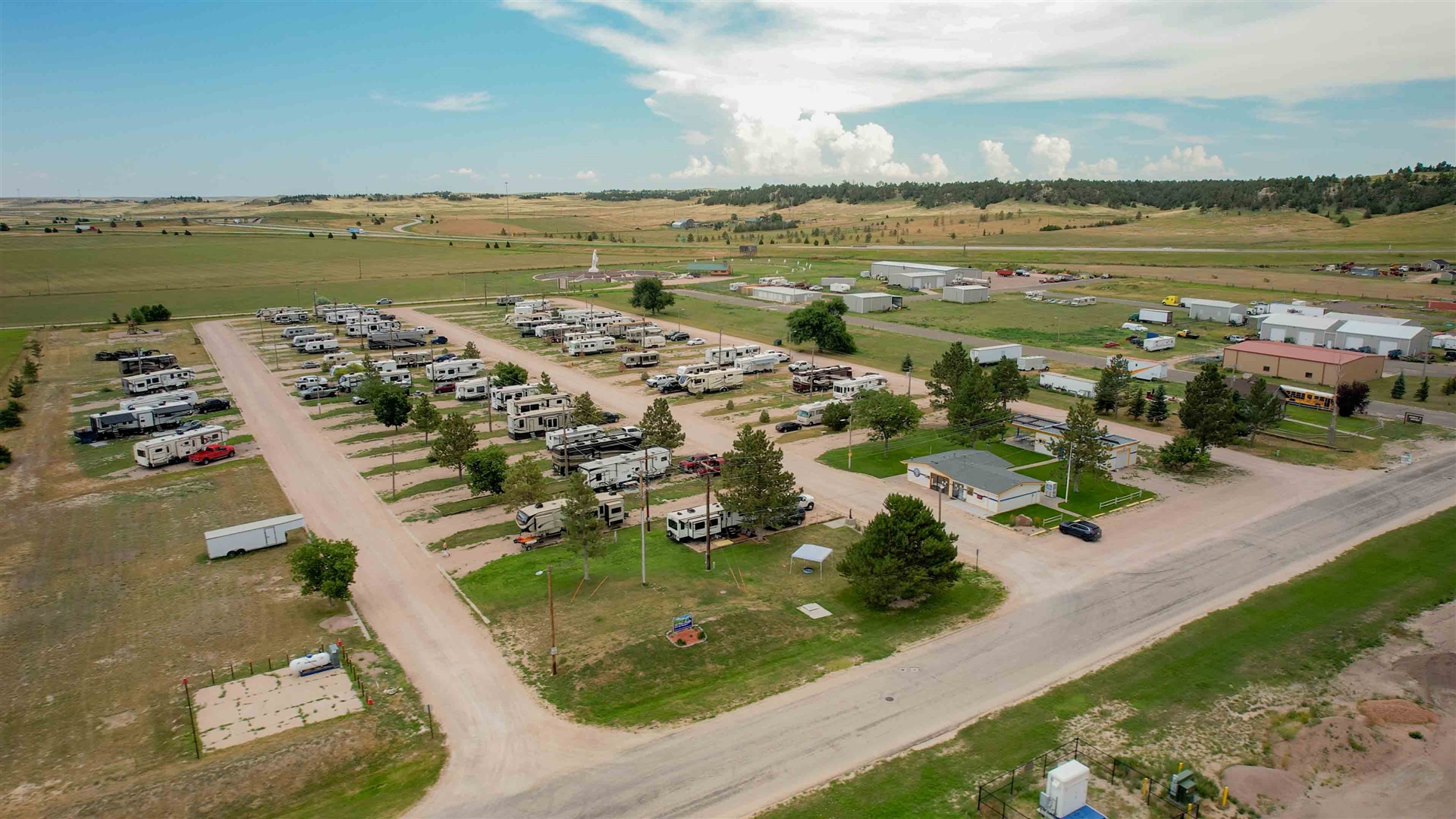
Pine Bluffs RV Park sits right off I-80 in Pine Bluffs, Wyoming, which is exactly where an RV park earns its keep: a long haul day ends, you pull through, and you’re back on the interstate before the coffee cools. Some parks add a specialty on top. Willow Beach RV Park & Marina on the Texas Gulf Coast pairs its 60+ sites with boat slips, so the fishing crowd keeps the rig and the boat in the same place.
What is an RV resort?
An RV resort is a destination in itself. The site is still the product, but the amenity list is why you booked: pools, splash pads, clubhouses, camp stores, planned weekend activities, and staff running the calendar. Hookups run full with 50-amp service, and many resorts add cabin and rental options for the friends who don’t tow.
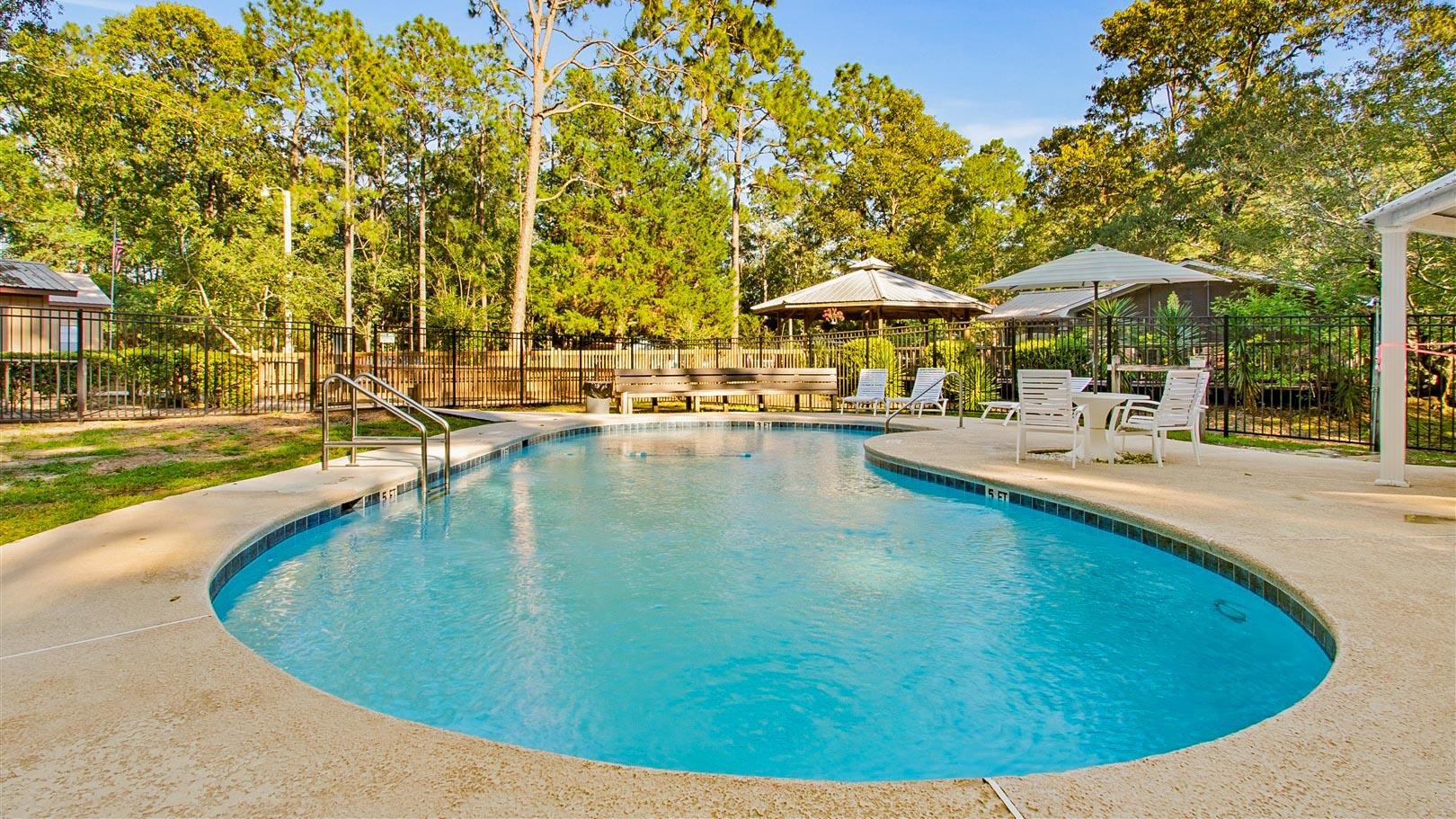
Sunburst RV Resort in Milton, Florida runs the classic version: full hookups, a pool, and a location built for a week rather than a night. At the larger end, Splash Magic RV Resort in Northumberland, Pennsylvania spreads 300+ sites around a water-park-style pool complex, and the kids will vote to stay another day.
Where the labels blur
No governing body certifies these names. A property calls itself a park, a campground, or a resort, and the sign out front is a marketing decision as much as a description. Shady Shores RV Resort & Campground in Fair Haven, New York wears both labels honestly: resort amenities on a wooded, lakeside campground footprint.
So read the amenity list, the site details, and last month’s reviews instead of the name. Our RVing 101 guide walks through how sites, hookups, and reservations work across all 3 categories if you’re starting from zero.
Which one fits your trip?
Book a campground when the outdoors is the point: kids, tents, s’mores, a lake you can hear from the site. Book an RV park when you’re covering miles or staying somewhere for work and want full hookups, an easy pull-through, and a fair monthly rate. Book an RV resort when the property is the destination and you’d rather the pool and the activity calendar came included.
Staying put for a whole summer is its own category. Many parks and resorts sell seasonal sites, where your rig keeps its spot from spring through fall. Our guide to seasonal camping covers how the sites, costs, and waitlists work.
FAQ: RV park vs campground
Is an RV park cheaper than a campground?
Usually the ladder runs campground, then RV park, then resort, but location outweighs category. Expect roughly $25 to $55 a night at campgrounds, $35 to $75 at RV parks, and $60 to $150+ at resorts, with waterfront and peak-season sites pushing past those ranges everywhere.
Can you tent camp at an RV park?
Sometimes. Many RV parks are rig-only because the pads are gravel and the hookups assume a vehicle. Campgrounds nearly always take tents. If the tent matters to your group, call the property before you book.
What makes an RV resort a resort?
Amenities and staffing. A resort earns the name with a pool or splash pad, a clubhouse, planned activities, and people on staff running them. Since no official standard exists, confirm the amenity list matches the label before you pay resort rates.
Do RV parks rent by the month?
Most do, and monthly rates typically run 40 to 60% below the same nights booked one at a time. Long-term stays are the backbone of many RV parks, from traveling nurses to seasonal regulars who hold the same site all summer.
Find the right stay
RJourney runs campgrounds, RV parks, and RV resorts across the country, so you can match the property type to the trip instead of settling for whatever’s nearby. Check availability at the park nearest your route at rjourney.com.