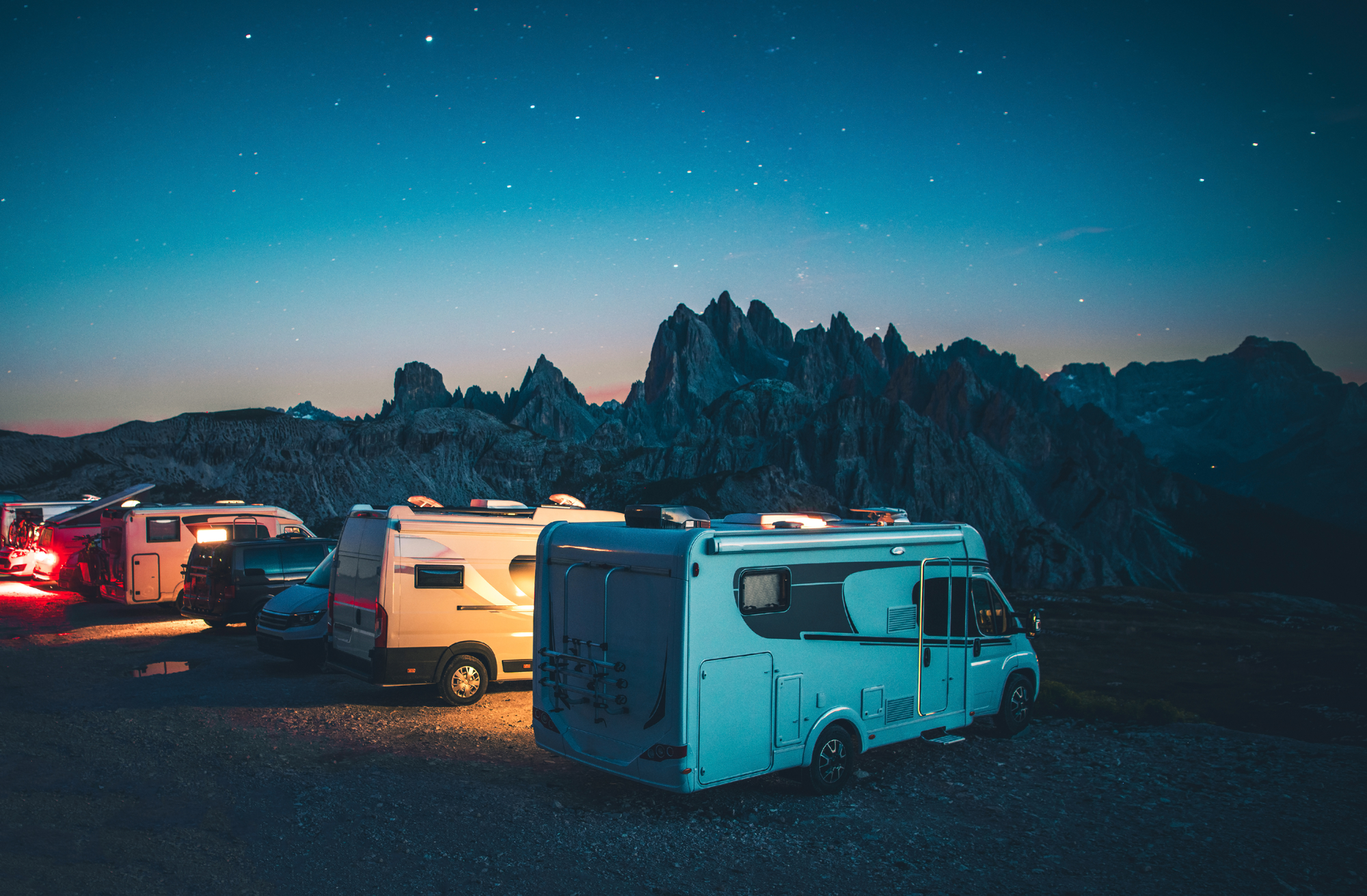
There’s nothing quite like stepping outside your RV, tilting your head back, and watching the Milky Way stretch across the sky like a river of light. If you’ve never experienced a truly dark sky — free from the glow of city lights — stargazing campgrounds across America offer some of the most awe-inspiring nights you’ll ever have. Whether you’re a seasoned astrophotographer or simply someone who wants to show your kids the constellations, the right campground can transform a regular camping trip into an unforgettable celestial experience. This guide is for RV travelers, families, and amateur astronomers seeking the best stargazing experiences at campgrounds across America. Stargazing campgrounds provide access to some of the darkest skies in the country, allowing visitors to experience the night sky in its natural state. Stargazing campgrounds attract amateur astronomers seeking to connect with nature, offering opportunities to enjoy both the wonders of the night sky and the tranquility of the natural world.
This guide covers the best stargazing campgrounds in the United States, helps you find the ideal place for stargazing, offers practical tips for RV travelers chasing dark skies, and everything you need to plan your next night under the stars. For more destination ideas and trip inspiration, explore our RJourney travel blog.
Here’s a quick comparison of top stargazing campgrounds for easy reference:
| Name | State | Bortle Class | Best Season | RV Amenities |
|---|---|---|---|---|
| Big Bend National Park | Texas | 1 | Sept–May | Full hookups, up to 40 ft rigs |
| Cherry Springs State Park | Pennsylvania | 2 | June–Oct | Limited RV, nearby private parks |
| Joshua Tree National Park | California | 2–3 | Oct–Apr | RV sites up to 35 ft, water access |
| Great Basin National Park | Nevada | 2 | June–Aug | RVs up to 30 ft, high elevation |
| Death Valley National Park | California | 2 | Nov–Mar | Full hookups at Furnace Creek |
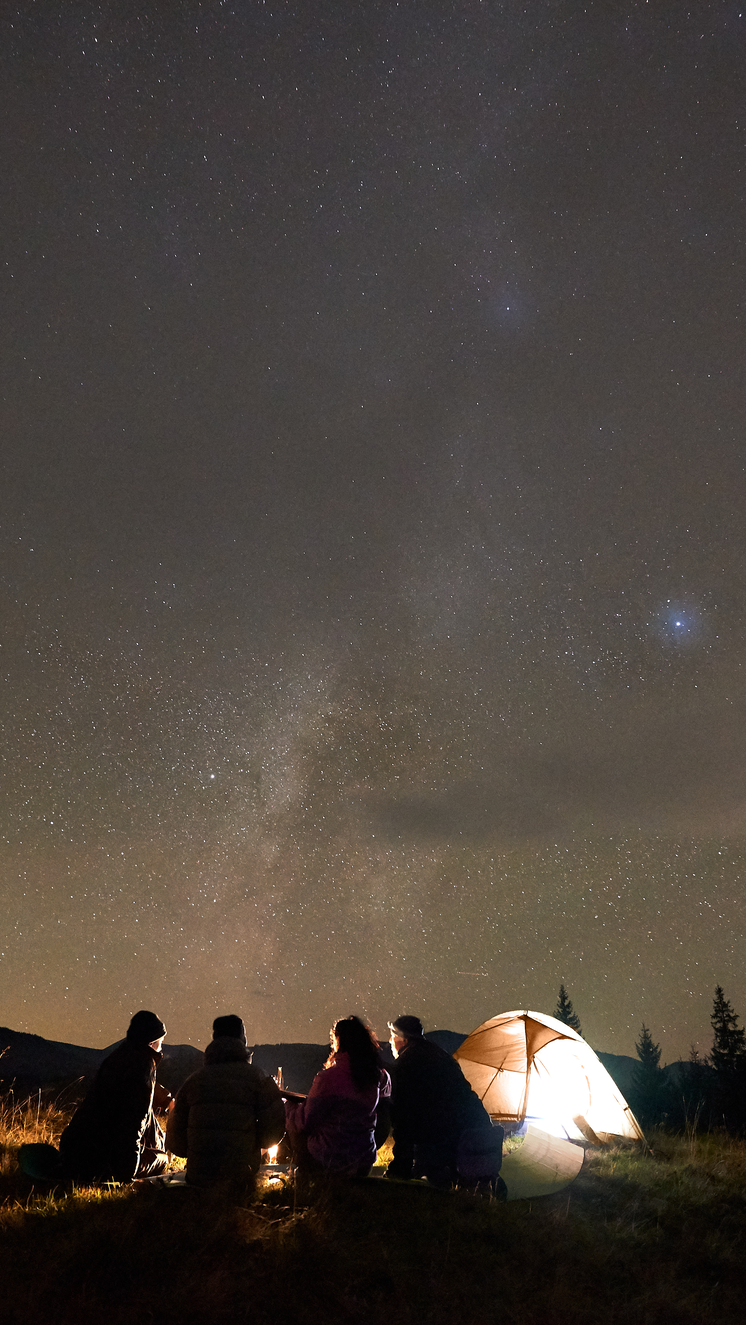
Ideal stargazing campgrounds feature minimal light pollution to enhance visibility of celestial objects (Fact 1), unobstructed views of the horizon for better visibility (Fact 2), and are often designated as dark sky parks to protect true darkness and combat light pollution (Facts 3, 4, 5). Not all campgrounds are created equal when it comes to celestial viewing. The Bortle Dark-Sky Scale (a system used to classify the brightness of the night sky, with Bortle 1 being the best for stargazing; Fact 1), which ranges from Class 1 (darkest) to Class 9 (brightest urban skies), is the standard measurement astronomers use to rate sky darkness. The best stargazing campgrounds, often designated as dark sky campgrounds, typically score between Bortle 1 and Bortle 3. These sites are chosen for their optimal stargazing conditions, being far enough from urban light pollution for naked-eye views of the Milky Way, faint galaxies, and meteor showers.
Other factors that make a campground the perfect spot for stargazing include:
Now that you know what to look for, let’s explore some of the best stargazing campgrounds in America.
Big Bend National Park has the lowest light pollution of any national park in the lower 48 states, making it arguably the single best stargazing destination in the continental United States. On a clear night, visitors can see up to 2,000 stars with the naked eye — compared to roughly 300 in a typical suburban backyard.
The park offers year-round ranger-led star parties, moonlight walks, and unobstructed horizon views that stretch for miles across the Chihuahuan Desert. The Chisos Basin is a popular spot for stargazing due to its elevation and wide-open views. The Big Dipper is easily visible from the park and can be used to locate the North Star on clear nights. RV travelers can camp at Rio Grande Village RV Campground, which offers full hookups and accommodates rigs up to 40 feet long. Cottonwood Campground is another popular option for smaller setups.
Best time to visit: September through May, when daytime temperatures range from 60°F to 80°F and nights are comfortably cool.
Nearby attractions: Rio Grande hot springs, Chisos Mountains hiking trails, and the park’s fossil exhibits. For dining, head to the Starlight Theatre Restaurant & Saloon in nearby Terlingua Ghost Town for live music and Tex-Mex under the stars.
Pro tip: If in-park sites are full, try Stillwell’s Store and RV Park in Terlingua for full hookups and equally dark skies.
For East Coast stargazers, Cherry Springs State Park in Coudersport, Pennsylvania, is the gold standard. Cherry Springs is one of only a handful of places east of the Mississippi River rated Bortle Class 2, offering 360-degree views from its 2,300-foot Overnight Astronomy Viewing Field. On clear nights, the Milky Way casts visible shadows on the ground.
The park features both a public stargazing area and a dedicated overnight astronomy observation field. Rangers host regular astronomy talks and special events timed to meteor showers. The park also offers constellation talks to help visitors identify stars and learn about the night sky.
Best time to visit: June through October, with peak Milky Way visibility in late summer. Always plan around the new moon.
Nearby attractions: Susquehannock State Forest trails and the Potter County rail trail for daytime biking. RV travelers exploring the Northeast should also consider a stop at Splash Magic RV Resort or RV camping areas in Pennsylvania, both excellent Pennsylvania home bases.
Joshua Tree’s high desert location — with minimal humidity, sparse vegetation, and vast open basins — creates exceptionally transparent skies. The dry desert air at Joshua Tree National Park removes the atmospheric moisture that scatters starlight, producing some of the sharpest celestial views in Southern California.
Camp at Black Rock Campground for RV-friendly sites with nearby water access, or choose Jumbo Rocks for a more rugged experience surrounded by iconic boulder formations. Most campground sites accommodate RVs up to 35 feet.
Best time to visit: October through April, when nighttime temperatures hover between 50°F and 70°F and skies are at their clearest.
Nearby attractions: Keys View overlook, the Integratron sound bath experience in Landers, and Pappy & Harriet’s Pioneertown Palace — a legendary desert honky-tonk serving BBQ and live music under the open sky.
Great Basin National Park in eastern Nevada is one of the most remote parks in the National Park System, and its isolation produces some of the darkest skies anywhere in the country — rated Bortle Class 2. High elevation (Wheeler Peak tops out at 13,063 feet) and clean desert air make faint galaxies and nebulae visible to the naked eye.
Wheeler Peak Campground accommodates RVs up to 30 feet and places you at prime elevation for astrophotography. The park hosts summer astronomy programs with telescopes provided by rangers.
Best time to visit: June through August for clear, high-elevation skies. Spring and fall are also excellent, though snowfall may limit access to upper campgrounds.
Nearby attractions: Lehman Caves guided tours and the challenging Wheeler Peak Summit Trail.
Death Valley’s vast, below-sea-level basins and extreme remoteness have earned it a Gold-tier International Dark Sky Park designation. Death Valley National Park receives fewer than 3 inches of rainfall per year, giving it one of the highest percentages of cloud-free nights of any location in the United States.
Furnace Creek Campground offers RV sites with hookups, making it the most accessible option for RV travelers. The park also hosts an annual Dark Sky Festival (next confirmed for February 2026) featuring expanded ranger programs and astrophotography workshops.
Best time to visit: November through March, when nighttime temperatures are a manageable 40°F–60°F. Summer heat can exceed 120°F during the day, making winter the only practical season.
Nearby attractions: Badwater Basin (the lowest point in North America at 282 feet below sea level) and Zabriskie Point for iconic sunset photography.
With these top destinations in mind, you’re ready to plan your own stargazing adventure. Next, let’s look at how to prepare for the perfect stargazing RV trip.
Respecting the darkness is a shared responsibility at stargazing campgrounds. Covering your RV’s exterior lights, using window shades, and switching to red-filtered lighting after dark are the most important steps RV travelers can take to preserve dark sky conditions for everyone at the campground. Bright lights from RVs or campsites can ruin the stargazing experience for others, so always minimize their use to help everyone enjoy the night sky.
Also keep in mind:
The best free resource for finding dark skies is DarkSiteFinder.com, which overlays Bortle scale ratings on an interactive map. You can also check ClearDarkSky.com for real-time cloud cover and atmospheric transparency forecasts specific to astronomy. In 2025, several national parks have integrated clear sky prediction tools directly into their websites for real-time stargazing condition updates.
With your gear packed and etiquette in mind, you’re ready to make the most of your night under the stars. Next, let’s discover what celestial events you can look forward to during your trip.
There’s a whole universe of celestial events waiting to be discovered once the sun sets and the world grows quiet. From dazzling meteor showers to the slow dance of planets across the horizon, the night sky offers a front-row seat to some of nature’s most spectacular shows. Stargazing isn’t just about spotting stars—it’s about connecting with the natural world and witnessing the wonders that unfold above us every night.
Watch for annual celestial events like the Perseid and Geminid meteor showers, which light up the sky with shooting stars in mid-August and mid-December. During a new moon, the Milky Way becomes a glowing river overhead, and distant galaxies and other celestial objects come into view—often visible to the naked eye thanks to the park’s commitment to minimizing light pollution.
The International Dark Sky Association (IDA) has been instrumental in protecting these experiences by designating International Dark Sky Parks across the globe. Their mission is to combat light pollution and preserve the best dark skies for everyone, ensuring that places like Big Bend National Park and Grand Canyon National Park remain sanctuaries for stargazers. These parks, recognized for their exceptionally low levels of artificial light, offer some of the clearest, most awe-inspiring views of the night sky anywhere in the world.
Whether you’re camping at Big Bend, gazing from the rim of the Grand Canyon, or exploring another certified dark sky park, these protected places offer the perfect backdrop for your next stargazing adventure. Plan your visit around major celestial events, and you’ll experience the night sky as it was meant to be seen: vast, mysterious, and filled with endless possibilities.
Now that you know what to watch for, consider making your stargazing journey a multi-stop road trip for even more adventure.
One of the greatest advantages of RV travel is the ability to string together multiple stargazing campgrounds into an epic road trip. Consider these routes:
RJourney parks make ideal stopover points between dark sky destinations, offering RV parks, campgrounds, and RV resorts near you, full hookups, reliable amenities, and a comfortable place to recharge before your next night under the stars.
With your route mapped out, you may have a few questions before you hit the road. Let’s answer some of the most common ones.
Big Bend National Park in Texas is widely considered the best stargazing campground destination in the lower 48 states due to its extremely low light pollution, year-round astronomy programs, and RV-friendly campgrounds with full hookups. Great Basin National Park and Cherry Springs State Park are also top-tier destinations with Bortle Class 2 darkness.
No. At Bortle Class 1–3 locations, the Milky Way, shooting stars, planets, and even some galaxies and nebulae are visible with the naked eye. A pair of 7×50 or 10×50 binoculars significantly enhances the experience and is lighter and more portable than a telescope. Many national parks also provide telescopes during ranger-led star parties.
Late summer through early fall (August–October) generally offers the best combination of Milky Way visibility, comfortable temperatures, and clear skies across most of the United States. However, the optimal window varies by location. Desert parks like Joshua Tree and Death Valley are best in winter, while Cherry Springs peaks during summer months. Always plan your trip around the new moon for the darkest skies.
For popular national park campgrounds like those at Big Bend, Joshua Tree, and Death Valley, you should book at least 6 months in advance through Recreation.gov. Sites near Cherry Springs and Great Basin fill up quickly during new moon weekends and meteor shower events. Private RV parks near these destinations often have more availability and can be booked on shorter notice.
Use DarkSiteFinder.com, which provides a color-coded light pollution map based on the Bortle scale. ClearDarkSky.com offers real-time atmospheric forecasts for astronomy. The International Dark-Sky Association also maintains a directory of certified Dark Sky Parks, Reserves, and Communities worldwide.
Armed with these answers, you’re ready to start your journey. Let’s wrap up with a few final thoughts.
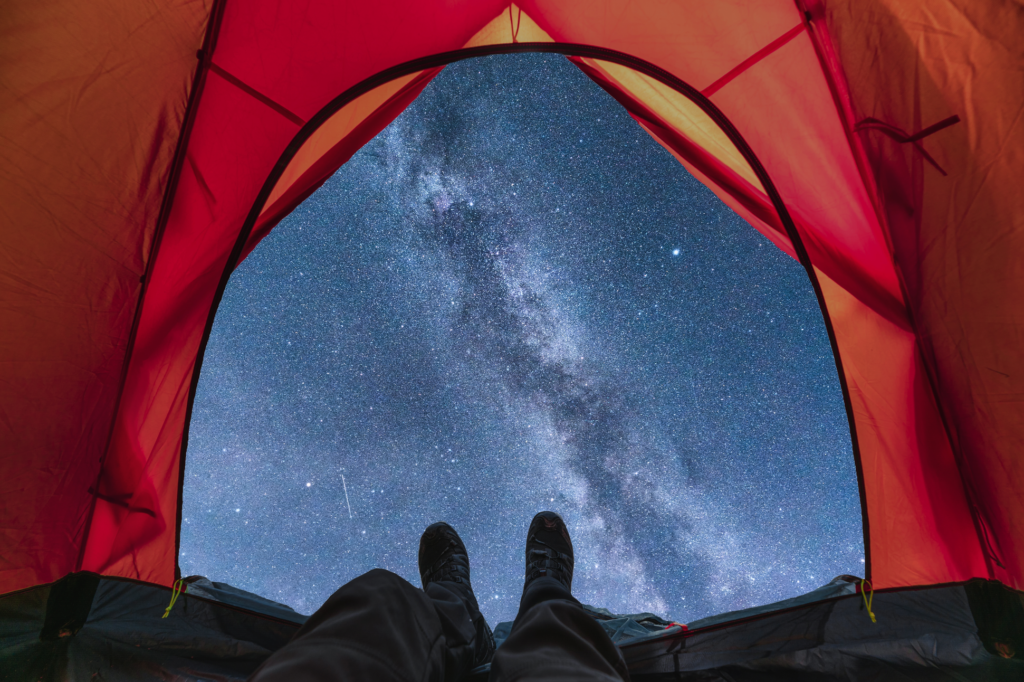
Dark-sky camping turns an ordinary RV trip into an experience that feels expansive and unforgettable. With the right planning—choosing Bortle 1–3 destinations, timing your stay around the new moon, and packing simple essentials like red lighting, binoculars, and warm layers—you can enjoy clearer skies, brighter star fields, and better views of the Milky Way. Build your itinerary around iconic parks like Big Bend, Joshua Tree, Great Basin, Cherry Springs, and Death Valley, and connect them into an easy road trip with reliable overnight stops. When you’re ready to map out your route, explore RJourney’s campgrounds and RV resorts to find comfortable, full-hookup home bases between your best nights under the stars, or contact the RJourney team for help planning your stay.