Missouri has more miles of floatable river than any state east of the Rockies. Over 27,000 miles of streams and rivers cut through Ozark bluffs, limestone hollows, and stretches of bottomland so quiet you can hear a kingfisher hit the water from 200 yards.
That’s the raw material. The question is which rivers are actually worth your time, your cooler space, and the drive to the put-in.
We’ve floated most of them. Here are 7 that deliver.
1. Meramec River
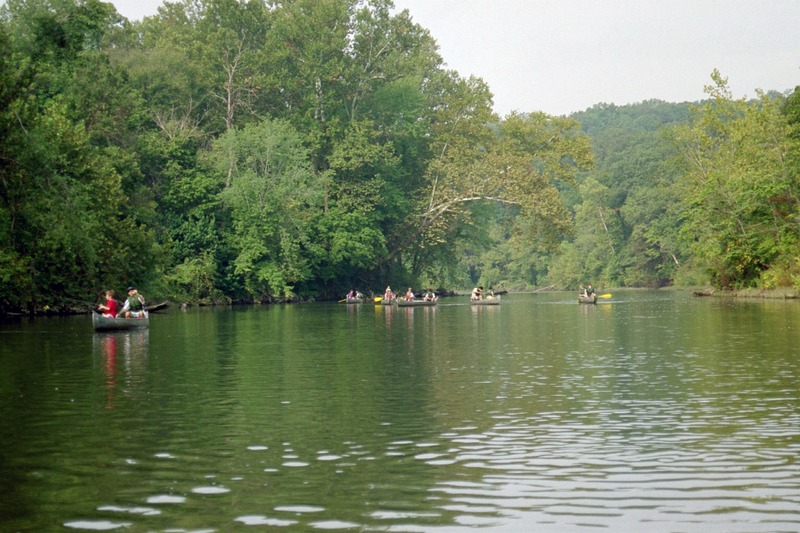
[[File:Meramec River float trip 200509.jpg|Meramec_River_float_trip_200509]]
The Meramec is Missouri’s most popular float, and for good reason. It runs 218 miles from the Ozark Highlands to the Mississippi, passing through caves, spring-fed tributaries, and bluffs that hit 200 feet in places.
Best stretch for floating: Onondaga Cave State Park to Meramec State Park (roughly 13 miles). This section has Class I rapids, deep swimming holes, and enough shade from overhanging sycamores to keep July bearable.
Water depth: Generally 2 to 6 feet in summer, though spring rains can push it higher. Check the USGS gauge at Sullivan before you launch.
Who it’s for: Families, first-timers, groups. The Meramec is forgiving. Wide channels, gentle current, easy exits if someone’s done early.
Where to camp: Pin Oak RV Resort in Villa Ridge sits about 30 minutes from the best Meramec put-ins. Full hookups, pull-through sites, and you won’t be sleeping on a gravel bar wondering if it’s going to rain.
2. Current River
The Current was one of the first rivers designated as a National Scenic Riverway, and it earns that title every mile. Spring-fed water stays cold and clear even in August, running turquoise over gravel beds in places that look more like the Ozarks’ answer to a Caribbean postcard.
Best stretch: Akers Ferry to Pulltite Spring (about 8 miles, 4 to 5 hours). Shorter than some Meramec runs but denser with scenery. Big Spring, one of the largest in North America, pumps 286 million gallons per day into the Current near Van Buren.
Water depth: 1 to 8 feet depending on the section. The spring-fed sections stay remarkably consistent.
Who it’s for: Paddlers who want scenery over party atmosphere. The Current draws a calmer crowd than the Meramec, and the water clarity makes it ideal for snorkeling (yes, river snorkeling is a thing here).
3. Elk River
The Elk runs through the southwest corner of Missouri near Noel and Pineville, right along the Arkansas border. It’s narrower than the Meramec, faster in spots, and the bluffs along the Noel section are some of the most photographed river scenery in the state.
Best stretch: Noel to Elk River Access (about 5 miles, 2 to 3 hours). Short enough for a morning float with time to run it twice if you want.
Water depth: Shallow and rocky in summer. Expect to scrape bottom on a few gravel bars if water levels are low. That’s part of the fun (and the reason an old canoe beats a new one here).
Who it’s for: Experienced floaters who don’t mind a few rapids and rocky portages. The Elk rewards people who can read water.
4. Jacks Fork River
The Jacks Fork joins the Current River near Eminence and shares its National Scenic Riverway designation. It’s narrower, more intimate, and the forest canopy closes in tighter. On a weekday in June, you might float 3 hours without seeing another group.
Best stretch: Alley Spring to Eminence (roughly 9 miles). Alley Spring itself is worth the stop. The historic red mill building sits right at the trailhead, and the spring pool runs a shade of blue that doesn’t look real.
Water depth: Variable. The Jacks Fork is more rain-dependent than the spring-fed Current, so check levels before committing. Low water means portaging. High water means real rapids.
Who it’s for: People who float for solitude. Midweek Jacks Fork trips feel genuinely remote.
5. Niangua River
The Niangua runs through the Lake of the Ozarks region, and it’s the float trip most Kansas Citians grew up on. Bennett Spring State Park anchors the upper section, and the trout fishing alone justifies the drive.
Best stretch: Bennett Spring to the Highway 64 bridge (about 7 miles). Easy current, consistent depth, and Bennett Spring pumps 100 million gallons daily to keep things flowing even in dry summers.
Water depth: 2 to 5 feet through most of the floatable sections. Deep pools near the springs.
Who it’s for: Families who want to mix floating with fishing. Bennett Spring is one of Missouri’s premier trout parks, so you can float in the morning and fish in the afternoon.
6. Big Piney River
The Big Piney runs through the Mark Twain National Forest south of Rolla, and it’s one of the least crowded quality floats in the state. Ozark bluffs, minimal development along the banks, and enough Class I to II rapids to keep it interesting.
Best stretch: Ross Bridge to Arlington (about 10 miles, 5 to 6 hours). Longer day on the water, but the scenery compounds. The last 3 miles before Arlington run through a canyon section that justifies the whole trip.
Water depth: Highly variable. The Big Piney doesn’t have major spring inputs, so it’s best floated in spring or after rain. By late July, sections can get too shallow for comfortable floating.
Who it’s for: People who’ve done the Meramec and Current and want something less trafficked. Weekday Big Piney trips are genuinely empty.
7. Courtois Creek
Courtois (pronounced “cot-away” because Missouri) is a tributary of the Meramec, and it’s the locals’ float. Narrow, fast, and technical enough to keep you paying attention. Overhanging trees, tight bends, and gravel bars that appear and disappear depending on the season.
Best stretch: Huzzah to Courtois Access (about 6 miles). Tight and fun, with a few spots where you’ll need to duck branches or choose your line through rock gardens.
Water depth: Low and fast in summer. Courtois is a small creek by Missouri standards, so it floats best in spring or after good rains. When it’s up, it’s exceptional.
Who it’s for: Canoeists and kayakers who like a little technical challenge. Leave the big tubes at home.
What to Bring on a Missouri Float Trip
Missouri river outfitters handle canoe and kayak rentals at most popular put-ins, but you’ll want to bring your own:
Essentials: Dry bag for phones and keys, sunscreen (reapply every 2 hours on the water; reflection doubles UV exposure), water shoes with grip (river bottoms are rocky), and more water than you think you need.
Food: A cooler that seals tight. River water gets into everything. Sandwiches, fruit, and snacks that don’t require utensils work best. For tips on keeping food safe outdoors, see our guide to camping food storage.
Safety: PFDs for everyone (Missouri law requires one per person in the vessel). A basic first aid kit. And a healthy respect for the fact that cold spring-fed water can cramp muscles fast, even on an 95-degree day.
Where to Stay Before and After Your Float
Sleeping at a riverside campground has its charm, but after a full day on the water, a hot shower and a real site beat a gravel bar.
Pin Oak RV Resort in Villa Ridge puts you within striking distance of the Meramec, Courtois, and Huzzah floats. Full hookups, laundry facilities, and it’s right off I-44 for an easy morning launch.
For floats on the Current, Jacks Fork, or Big Piney, Perryville RV Resort gives you a solid base camp in southeast Missouri. Clean sites, reliable electric, and close enough to the Ozark National Scenic Riverways that you can be on the water by mid-morning.
Both parks are part of the RJourney network, which means online booking, consistent quality, and staff who’ve actually floated these rivers and can point you to the right put-in for current water levels.
Best Time for Float Trips in Missouri
May through September is the core floating season. Each month has its tradeoffs:
May and June: Higher water from spring rains. Faster current, fewer gravel bar stops, and cooler water temperatures. Crowds are lighter on weekdays. Downside: water can be too high and fast after heavy rains, especially on smaller creeks like Courtois.
July and August: Peak season. Warm water, long days, biggest crowds on weekends. Water levels drop on rain-dependent rivers, but spring-fed rivers like the Current and Niangua stay floatable. Go midweek if you can.
September: The sweet spot, honestly. Crowds thin out, water is still warm, and the first hints of fall color start showing on the bluffs. Water levels can be low on smaller rivers, so stick to the Meramec or Current for reliable depth.
Frequently Asked Questions
What is the best float trip in Missouri for beginners?
The Meramec River between Onondaga Cave and Meramec State Park. Wide channel, gentle current, multiple outfitters with shuttle service, and easy exit points if you want to cut the trip short. It’s forgiving enough for kids and first-timers while still being scenic enough to satisfy experienced floaters.
How long does a typical Missouri float trip take?
Most popular stretches run 4 to 6 hours at a relaxed pace, covering 7 to 13 miles depending on the river and current. Factor in stops for swimming, lunch on a gravel bar, and the inevitable “let’s just sit here for a minute” moments. Half-day floats (2 to 3 hours) are available on shorter sections of the Elk and Courtois.
Do I need to bring my own canoe or kayak?
No. Every major float river in Missouri has outfitters that rent canoes, kayaks, rafts, and tubes. They handle shuttle service too, driving you to the put-in and picking up your vehicle at the take-out (or vice versa). Expect to pay $40 to $75 per canoe for a full-day rental with shuttle.
Is it safe to float Missouri rivers with kids?
Yes, with the right river and preparation. The Meramec and Niangua are the best choices for families. Wide channels, gentle current, and shallow sections where kids can wade. Missouri requires PFDs for everyone in the vessel, and children under 7 must wear theirs at all times on the water. Start with a shorter section (4 to 5 miles) for kids under 10.
What should I do if the river is too high to float?
Check USGS river gauges before you go. If the river is at or above flood stage, don’t float. Period. Even moderately high water changes the character of a river completely: strainers (submerged trees), faster current, and hidden obstacles. Most outfitters will tell you honestly if conditions are safe. If your float gets rained out, both Pin Oak and Perryville have enough on-site amenities to fill a day while you wait for water to drop.
Plan the Trip
The Ozarks reward people who pick their float to match their week. Calm water, fast water, crowded weekend, empty Tuesday. Pick the river, then check availability at Pin Oak or Perryville for a base camp that matches.