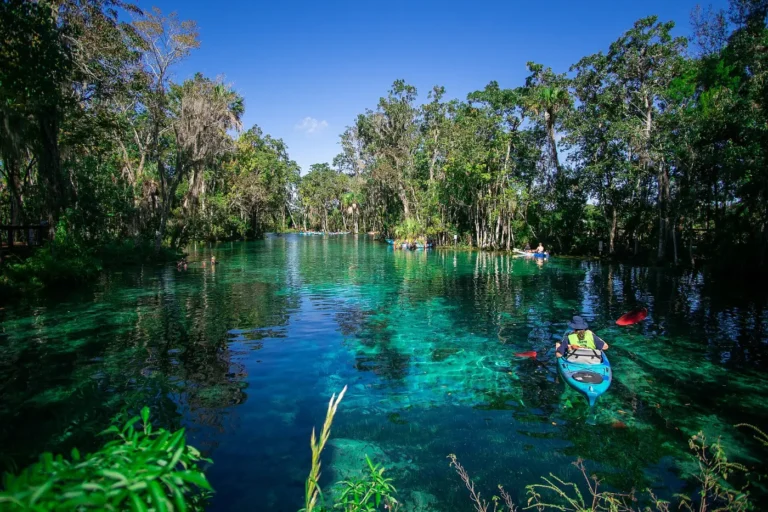
Fort Cooper State Park is about 700 acres of oak hammock and sandhill on the south edge of Inverness, wrapped around Lake Holathlikaha. In April 1836, 380 U.S. soldiers held out here for 16 days behind a wall of pine logs while Osceola’s warriors kept them pinned down. Today it’s a $3 honor-box park with about 5 miles of easy trails, a rebuilt corner of the fort, and a paved spur to the Withlacoochee State Trail. Half a day covers it, and the morning is the best half.
Last verified November 13, 2026. Hours, fees, and event dates come from Florida State Parks and change, so confirm with the park before you go.
Fort Cooper State Park at a glance
- Address: 3100 S. Old Floral City Road, Inverness, FL 34450; (352) 726-0315.
- Hours: 8 a.m. to sunset, 365 days a year.
- Fee: $3 per vehicle at the honor box (bring correct change), or buy a single-use day pass online from Florida State Parks.
- Size: roughly 700 acres; the land became a state park in 1972 after a Citrus County resident donated it.
- Trails: about 5 miles of easy to moderate self-guided trails, plus a half-mile paved connector to the Withlacoochee State Trail.
- Dogs: welcome on a 6-foot leash in the picnic area and on the trails; they stay out of the beach area and the water.
- Facilities: restrooms by the lake, picnic tables and grills, a rentable pavilion for up to 60, and a small playground for kids 5 to 12.
- Camping: a primitive group camp for organized groups only. Fort Cooper has no RV or individual campsites.
The history in 5 minutes
In 1823, Seminole leaders signed the Treaty of Moultrie Creek and moved off their North Florida farms to a 4-million-acre reservation in the middle of the peninsula: the Cove of the Withlacoochee, the wet, wooded country around today’s Inverness and Floral City. They made it work. It didn’t last.
Pressure from Washington to push the Seminoles west grew after Andrew Jackson took office in 1828, and the Second Seminole War opened in December 1835 with the destruction of Major Francis Dade’s column. In March 1836, General Winfield Scott marched an army of about 5,000 into the cove. On the way to Fort Brooke in Tampa, he left his sick and wounded at this lake under Major Mark Anthony Cooper and a battalion of Georgia volunteers.
Cooper built first and asked questions later. His men threw up a picket wall of pine logs at the lake’s edge, and a few days after Scott left, several hundred warriors led by Osceola attacked. The 380 soldiers stayed safe behind the wall, but the siege ran 16 days. The Seminoles drove off the cattle, and the garrison ended up slaughtering its horses to eat before relief troops arrived.
The Army kept Fort Cooper as a reconnaissance and dispatch post until the war ended in 1842. Nothing of the original fort survives. Volunteers and park staff have rebuilt its southwest corner at roughly the original spot, and that’s what you’ll walk out to see.
The trails, and which one to start with
Fort Site Trail (about 1.5 miles round trip)
Start here. The Fort Site Trail runs out to the replica corner of the fort and doubles as the Seminole Heritage Trail, a set of 4 interpretive kiosks that tell the story from the Seminole side: life in the cove, the forced moves, and why the fort went up at all. Read every panel and you’ll understand the Inverness area better than most people who live there (no judgment, it’s a lot of signage to stop for).
Sand Hill Loop
The Sand Hill Loop climbs into open longleaf pine and wiregrass, one of the rarest natural communities in the state. Less than 3% of Florida’s sandhill remains, and the park is restoring this patch with prescribed burns and hardwood removal. Look at the pine trunks: the black scorch marks are on purpose.
Dogwood Trail
The Dogwood Trail stays in the shaded hammock under oaks, saw palmetto, hog plum, and sparkleberry. It’s the cooler pick on a warm afternoon and a good one for white-tailed deer, wild turkey, and pileated woodpeckers.
The bike connector
From parking lot #2, a half-mile paved path links the park to the 47-mile Withlacoochee State Trail. Bring bikes and you can turn a hike into a hike-and-ride: north toward downtown Inverness or south toward Floral City and the state forest.
A half-day plan
- 8 a.m.: gates open. Pay at the honor box and park by the lake.
- 8:15 to 9:30: walk the Fort Site Trail and the Seminole Heritage kiosks while it’s cool and the birds are loud. Barred owls hang around the hammock.
- 9:30 to 10:30: pick the Sand Hill Loop for open pine country or the Dogwood Trail for shade.
- 10:30 to noon: lunch at the picnic tables over Lake Holathlikaha, or unload the bikes and ride the connector onto the Withlacoochee.
- Sunset option: come back for the bats. The park’s lake area is a known spot for watching them leave the bat house at dusk, and rangers run guided bat viewings (one is scheduled for Wednesday, November 18, 2026, 5:45 to 6:45 p.m.).
Events worth planning around
- Fort Cooper Days (March): the park’s big weekend. 2 days of Second Seminole War battle reenactments, twice a day, plus living-history camps, period crafts, music, and food. The musket volleys carry.
- Nights of Lights (December 11 and 12, 2026, 6 to 8:30 p.m.): thousands of lights along the walkways and in the Rec Hall, music, free refreshments, and Santa.
- First Day Hike (January 1, 2027, 10 a.m.): a ranger-led walk to start the year.
Check the Florida State Parks events calendar for the current list; ranger programs get added through the season.
When to go
November through April is the sweet spot: drier air, cooler mornings, and fewer bugs. Summer works if you go early, carry water, and get off the trail before the afternoon storms build. The sandhill has little shade, so save it for the cool part of the day year-round.
RV notes
Fort Cooper is a day-use park for RVers. Parking areas sit along the park drive, and we haven’t measured them, so if you’re in a big motorhome, leave it at your site and bring the tow car or truck. It’s a short drive from anywhere in Inverness.
Your RV base: Preservation Point, 12 minutes away
Preservation Point RV Resort sits on 230 acres along Lake Tsala Apopka, 12 miles west of I-75 (Exit 329) on State Road 44. Fort Cooper is about 12 minutes from your site, and downtown Inverness and the Withlacoochee State Trail are about 6.
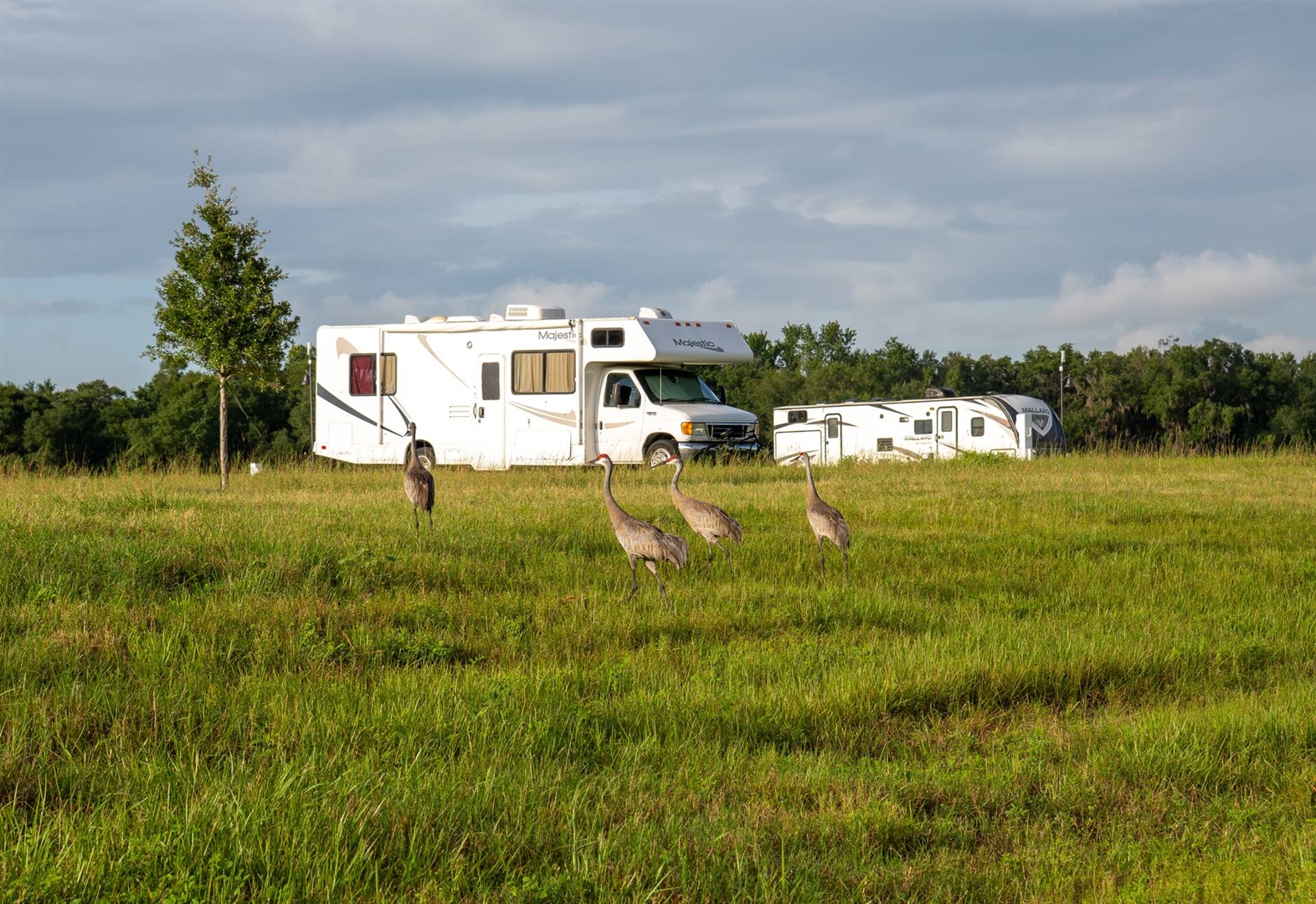
All 221 sites are concrete pads with full hookups: 50/30/20-amp power, water, and dual sewer drops, plus free Wi-Fi. Pull-throughs fit rigs up to 60 feet; back-ins and pull-ins fit up to 45. Sandhill cranes, deer, and wild turkeys wander through camp, so you’ll get a head start on the wildlife list before you leave (here’s how to share a campground with sandhill cranes).
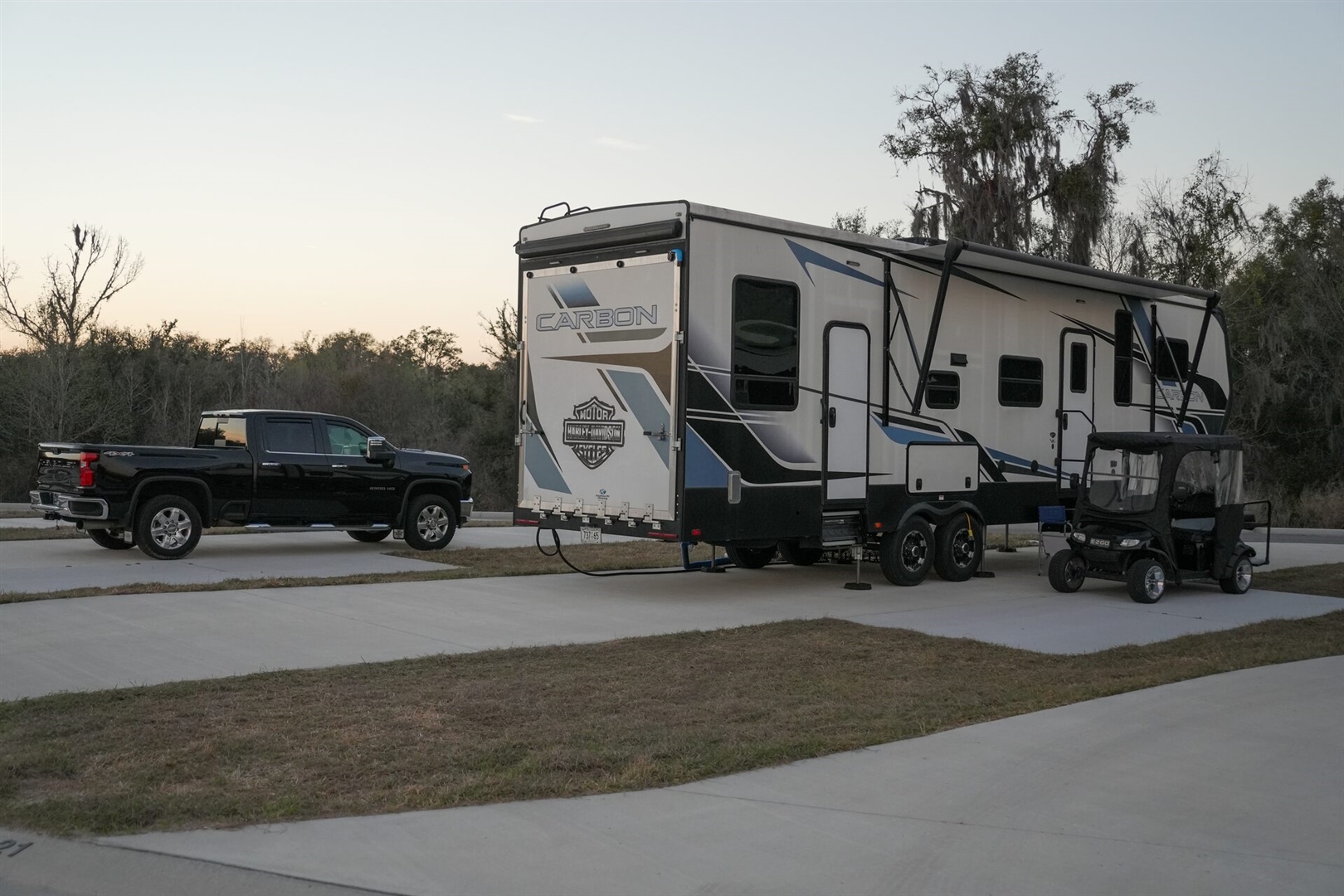
One honest note: the park is new and still building. The pool, bathhouse, laundry, and office are under construction, so bring a self-contained rig. Guests must be 21 to book, and stays of 30 days or more book by phone (the number’s on the park page).
Make a weekend of it with things to do in Inverness, Florida, then head 25 minutes west to Three Sisters Springs for the manatees.
Check availability at Preservation Point RV Resort.
Fort Cooper State Park FAQ
How much does Fort Cooper State Park cost?
$3 per vehicle, paid at the honor box with correct change. You can also buy a single-use day pass online through Florida State Parks.
Can you camp at Fort Cooper State Park?
Only organized groups, at the primitive group camp (3 sites for up to 25 people each and 1 site for 8 or fewer, reserved by calling the park). There’s no RV or individual camping, so RVers stay nearby and visit for the day.
Are dogs allowed?
Yes, on a leash no longer than 6 feet, in the picnic area and on the hiking trails. Dogs aren’t permitted on the beach area or in the water.
How long do you need?
2 to 4 hours covers the Fort Site Trail, one more loop, and lunch by the lake. Add an hour or 2 if you bring bikes for the Withlacoochee State Trail.
What happened at Fort Cooper?
In April 1836, during the Second Seminole War, Major Mark Anthony Cooper and 380 soldiers built a log fort here to protect troops left behind by General Winfield Scott. Seminole warriors led by Osceola besieged it for 16 days until relief troops arrived. The site served as an Army post until 1842.
Sources: Florida State Parks: Fort Cooper State Park and its History of Fort Cooper page.