From dusty wagon trails to modern interstate highways, the American road trip represents one of the nation’s most enduring cultural traditions. Every year, millions of travelers load up their RVs and set out to explore the vast landscapes, historic landmarks, and hidden gems that make this country unique. But have you ever wondered how this beloved tradition began? Understanding American road trip history not only enriches your next adventure but also connects you to generations of pioneers, dreamers, and wanderers who came before.
The American road trip evolved throughout the 20th century, shifting from a pioneering adventure in the early 1900s to a post-WWII family vacation ritual, shaped by the expansion of highways and the rise of automobile culture.
The story of the American road trip is inseparable from the story of America itself, a nation built on movement, exploration, and the promise of what lies beyond the horizon. This journey is also part of world history, as global events and cultural shifts have shaped how Americans travel and experience the open road. Whether you’re planning your first cross-country journey or your fiftieth, knowing the history behind the highways you travel transforms every mile into a deeper experience.
Quick Facts: American Road Trip History at a Glance
Milestone | Year | Significance |
First cross-country automobile trip | 1903 | Horatio Nelson Jackson’s 63-day journey |
Model T introduced | 1908 | Made car ownership accessible to middle class |
Auto camping craze begins | 1920s | Birth of recreational vehicle travel |
Route 66 established | 1926 | “Mother Road” connected Chicago to Los Angeles |
Interstate Highway Act signed | 1956 | Created 41,000 miles of modern highways |
First purpose-built motorhome | 1910 | Pierce-Arrow’s “Touring Landau” |
National Park Service created | 1916 | Preserved destinations for road trippers |
RV industry reaches $50+ billion | 2020s | Modern era of recreational travel |
The Birth of the American Road Trip: 1900-1920
The First Cross-Country Journey
The first American cross-country road trip was completed in 1903 when Dr. Horatio Nelson Jackson, a Vermont physician, drove from San Francisco to New York City in 63 days. This historic journey began with a $50 bet at a San Francisco social club, where Jackson wagered he could cross the continent by automobile—something many considered impossible at the time. This was one of the earliest cross-country road trips across North America, showcasing the vastness and pioneering spirit of travel on the continent.
Jackson purchased a used 1903 Winton touring car for $3,000 (approximately $100,000 in today’s dollars), hired a young mechanic named Sewall Crocker, and set off on May 23, 1903. Along the way, they picked up a bulldog named Bud, who became the journey’s unlikely mascot and wore goggles to protect his eyes from dust.
“The 1903 cross-country trip by Dr. Horatio Nelson Jackson established that automobile travel across America was possible, fundamentally changing how Americans viewed distance and mobility.”
Another significant early cross country road trip in North America was the 1919 Motor Transport Corps convoy, which involved approximately 300 United States Army personnel traveling from Washington, DC to San Francisco. This journey further demonstrated the challenges and possibilities of long-distance automotive travel across the continent.
The challenges they faced seem almost unimaginable today:
- No paved roads existed between cities
- No gas stations meant fuel had to be shipped ahead or purchased from general stores
- No road maps were available for cross-country navigation
- Breakdowns were constant, requiring creative repairs with materials like wire and tape
- The journey cost over $8,000—more than most Americans earned in a year
The Primitive Roads of Early America
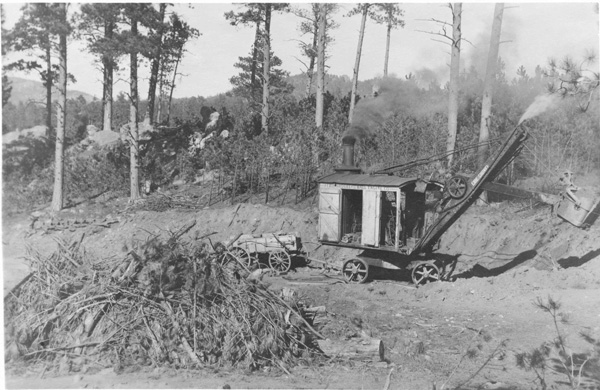
Before the automobile revolution, American roadways were designed for horse-drawn wagons and carriages. These early roadways were notoriously terrible for motorized vehicles, featuring deep ruts, mud bogs, and virtually no signage. Drivers often had to rely on railroad tracks as navigation guides, driving alongside them when roads became impassable.
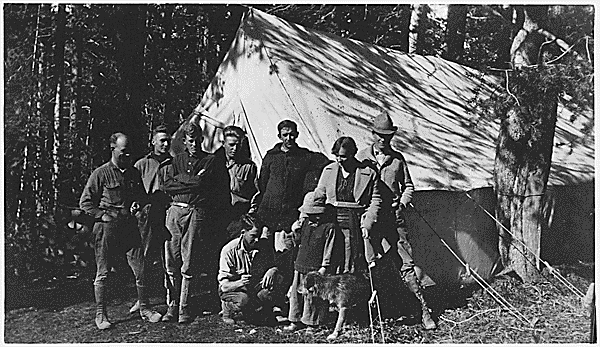
Early roadways often followed historic trails such as the Oregon Trail and Santa Fe Trail, which were significant routes used by pioneers, traders, and travelers during westward expansion. These historic trails laid the groundwork for the development of modern highways, and physical remnants like swales and ruts can still be seen today.
The Lincoln Highway, established in 1913, became one of America’s first historic highways and the first transcontinental highway, stretching 3,389 miles from Times Square in New York City to Lincoln Park in San Francisco. Though “highway” was a generous term—much of it remained unpaved dirt road—it represented the first organized effort to create a cross-country automobile route and stands out among other historic trails for its national significance.
During the Great Depression, the Works Progress Administration created the American Guide Series, which produced guidebooks for states and highways, documenting the evolving landscape of American road trips and the history of these important routes.
The Auto Camping Craze: 1920-1940
When Road Trips Became a National Pastime
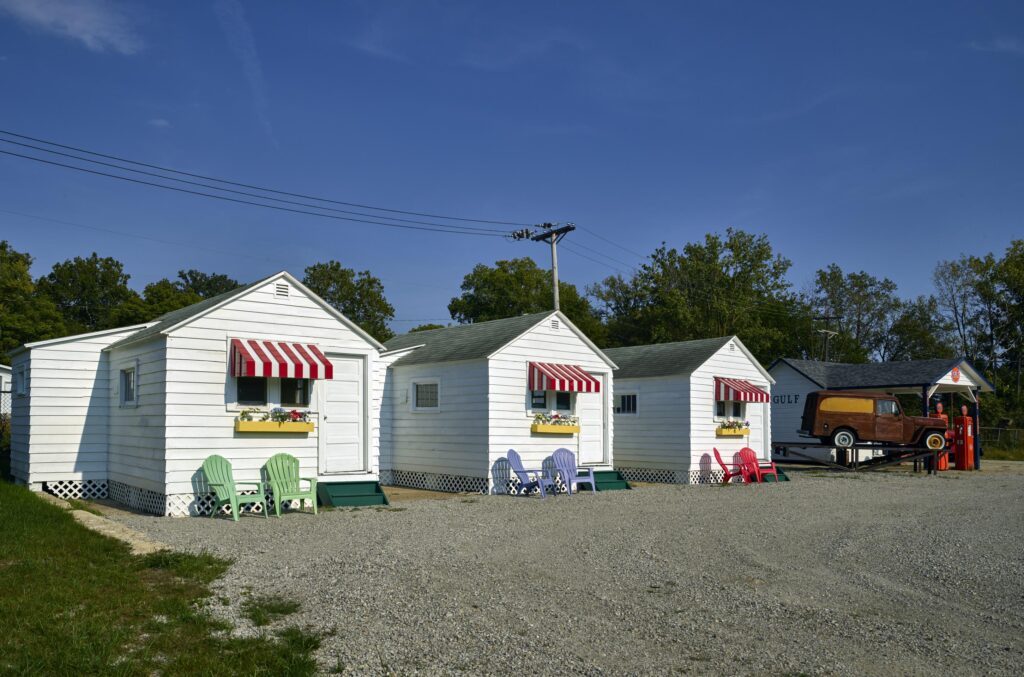
The American road trip was first popularized during the auto camping craze of the 1920s, with its devotion to freedom and communing with nature. As automobile ownership expanded beyond the wealthy elite, middle-class Americans discovered the joy of packing up their vehicles and heading into the wilderness.
The introduction of Henry Ford’s Model T in 1908 revolutionized personal transportation. By 1927, Ford had sold over 15 million Model Ts, making car ownership affordable for ordinary families. A brand-new Model T cost just $260 by 1925 (approximately $4,500 today), putting automobile ownership within reach of factory workers, farmers, and shopkeepers.“The Model T democratized travel in America, transforming the road trip from a wealthy person’s adventure into a middle-class family tradition that continues to this day.”
The Rise of “Tin Can Tourists”
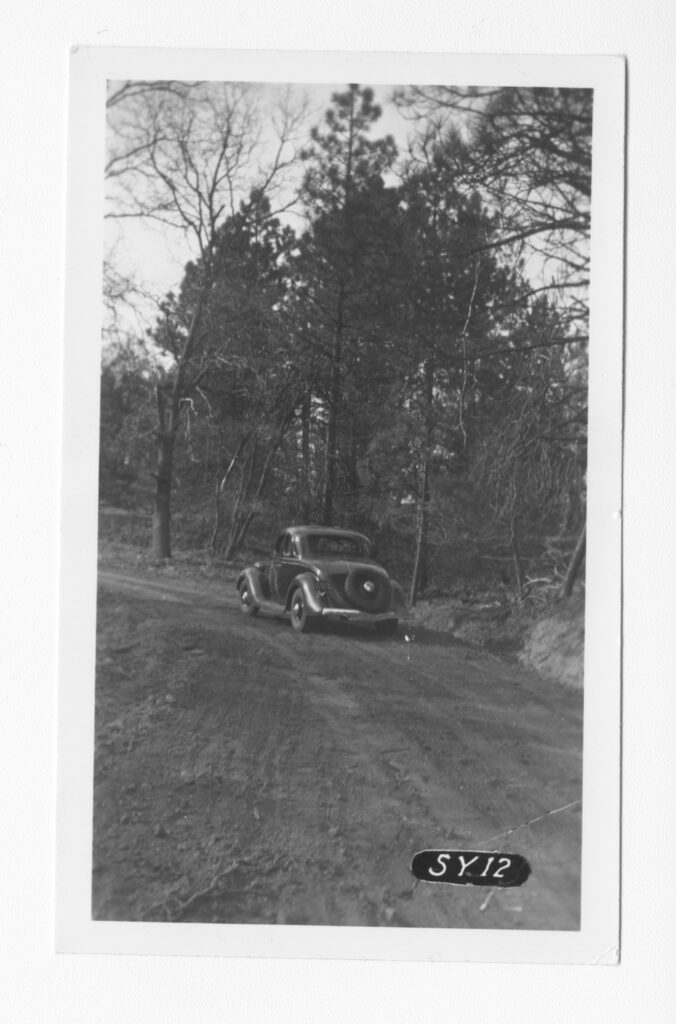
Auto campers of the 1920s earned the affectionate nickname “Tin Can Tourists” for several reasons: they drove tin automobiles, ate from tin cans, and camped in tin-like structures. In 1919, the Tin Can Tourists of the World organization was formally established in Tampa, Florida, eventually growing to include hundreds of thousands of members.
These early road trippers developed creative solutions for overnight accommodations:
- Tent attachments that connected directly to automobiles
- Folding cots and portable stoves for roadside camping
- “House cars” built by modifying existing vehicles
- Municipal auto camps established by forward-thinking cities
By the mid-1920s, an estimated 2,000 to 6,000 municipal campgrounds operated across the United States, many offering free or low-cost camping to attract traveling motorists and their spending money.
The First Recreational Vehicles
While backyard inventors had been converting vehicles for camping since the early 1900s, the Pierce-Arrow Motor Car Company introduced one of the first purpose-built luxury motorhomes in 1910—the “Touring Landau.” This innovative vehicle featured a back seat that folded into a bed, a chamber pot toilet, and a sink with running water.
Throughout the 1920s and 1930s, RV design evolved rapidly:
- 1929: Arthur Sherman built the first commercially successful travel trailer, the “Covered Wagon,” after a rainy camping trip left him frustrated with tent camping
- 1931: Wally Byam began building Airstream trailers, eventually creating the iconic silver “bullet” design still beloved today
- 1936: Over 400 travel trailer manufacturers operated in the United States
- 1938: The Trailer Coach Manufacturers Association formed to establish industry standards
“By 1936, more than 400 companies were manufacturing travel trailers in the United States, marking the birth of the modern RV industry.”
Route 66 and the Golden Age of Highway Travel: 1926-1960
The Mother Road
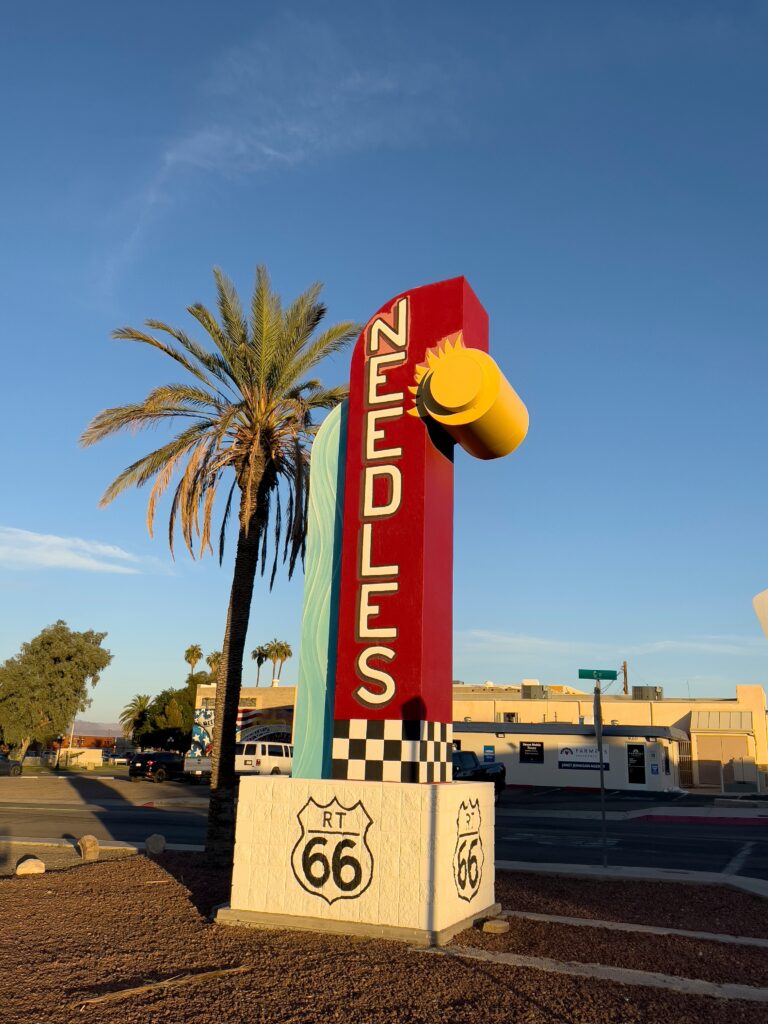
Route 66, established in 1926, stretched 2,448 miles from Chicago, Illinois, to Santa Monica, California, becoming the most famous highway in American history. Originally designated as U.S. Highway 66, this diagonal route connected hundreds of predominantly rural communities across eight states: Illinois, Missouri, Kansas, Oklahoma, Texas, New Mexico, Arizona, and California.
The highway earned its nickname “The Mother Road” from John Steinbeck’s 1939 novel “The Grapes of Wrath,” which depicted the desperate journey of Dust Bowl refugees seeking a better life in California. During the 1930s, an estimated 200,000 migrants traveled Route 66 westward, transforming the highway into a symbol of both American hardship and hope.
The Rise of Roadside Culture
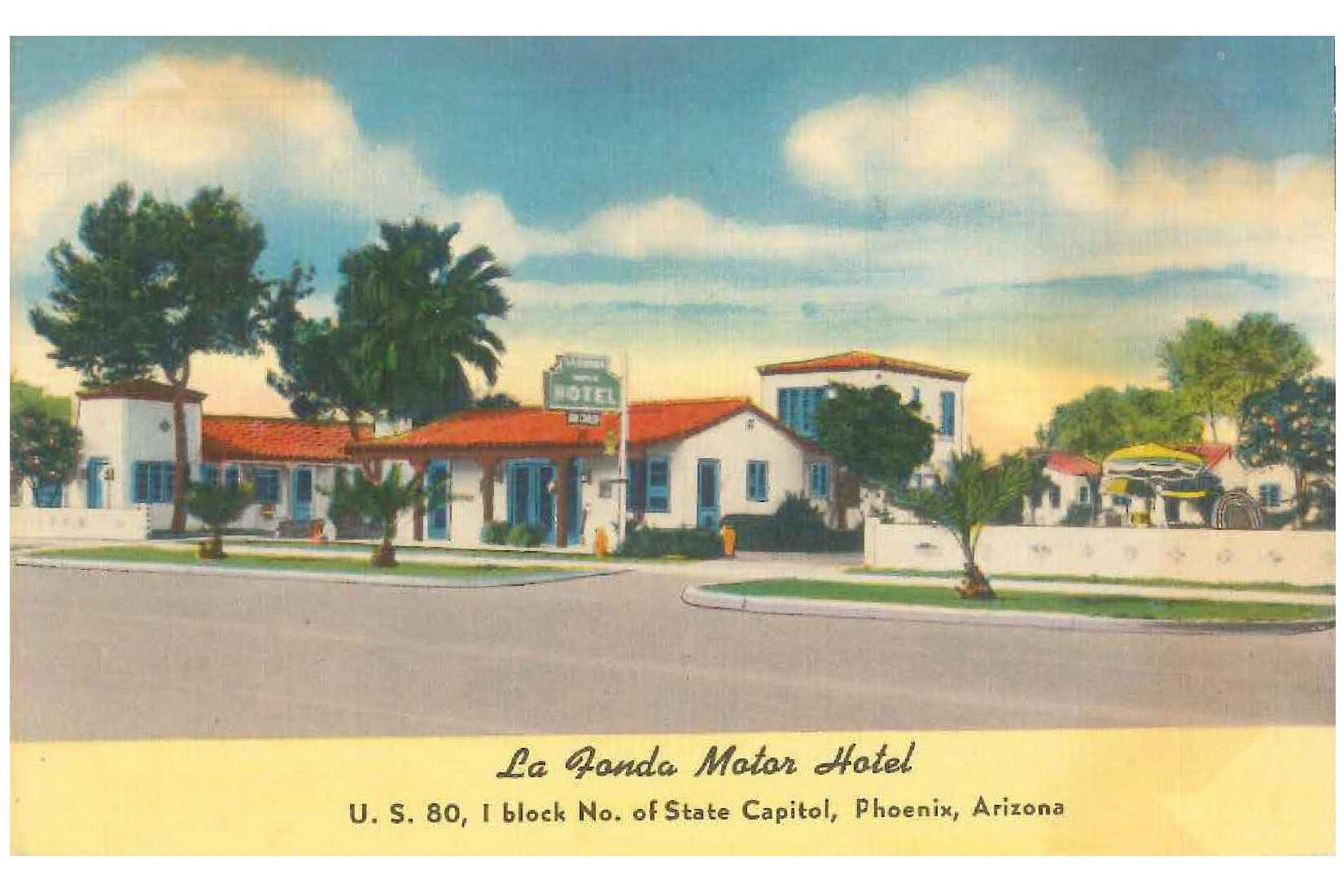
Route 66 didn’t just move people; it created an entirely new American culture. Entrepreneurs along the route competed for travelers’ attention with increasingly elaborate attractions:
- Wigwam Motels: Concrete teepee-shaped rooms still standing in Arizona and California
- The Blue Whale of Catoosa: An 80-foot-long whale-shaped structure in Oklahoma
- Cadillac Ranch: Ten Cadillacs buried nose-first near Amarillo, Texas (added 1974)
- The Meramec Caverns: Missouri’s “Jesse James Hideout” with barn-roof advertising across five states
- Giant fiberglass statues: Paul Bunyan figures, dinosaurs, and oversized produce dotted the landscape
“Route 66’s roadside attractions pioneered the concept of destination marketing, proving that the journey itself could be as memorable as the final destination.”
These quirky attractions, charming diners, and family-owned motor courts created a uniquely American travel experience that millions still seek to recapture today.
The Post-War Travel Boom
Following World War II, Americans embraced road travel with unprecedented enthusiasm. Several factors fueled this explosion:
- Economic prosperity: The post-war boom put money in Americans’ pockets
- Suburban expansion: New suburbs created a car-dependent culture
- Baby boom families: Growing families needed vacation options
- Improved vehicles: Post-war automobiles were more reliable and comfortable
- Paid vacation time: Labor advances gave workers time to travel
Between 1945 and 1960, the number of registered motor vehicles in America doubled from 31 million to 62 million. Annual vacation travel became an expected part of middle-class American life.
The Interstate Era: 1956-1980
The Highway Act That Changed Everything
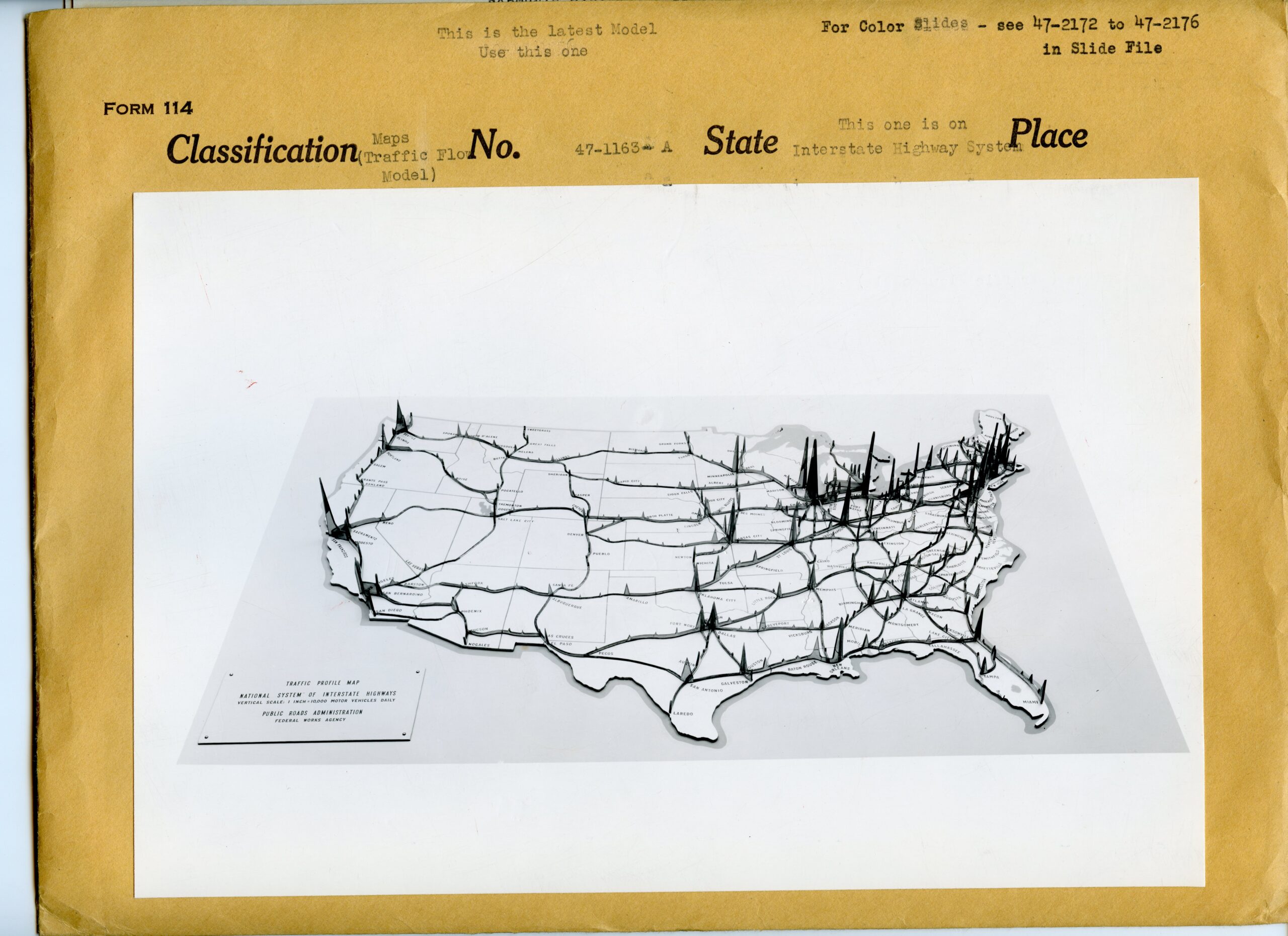
On June 29, 1956, President Dwight D. Eisenhower signed the Federal Aid Highway Act, authorizing the construction of 41,000 miles of interstate highways and fundamentally transforming American road travel. This $25 billion project (approximately $275 billion in today’s dollars) represented the largest public works program in American history.
Eisenhower’s vision was shaped by two experiences:
- His 1919 military convoy: As a young Army officer, Eisenhower participated in a cross-country military convoy that took 62 days to travel from Washington, D.C., to San Francisco, averaging just 5 miles per hour on primitive roads
- German Autobahn: During World War II, Eisenhower witnessed the efficiency of Germany’s high-speed highway system
The new interstate system promised:
- Standardized design: Four lanes minimum, controlled access, no traffic lights
- Consistent speeds: Designed for travel at 50-70 mph
- National connectivity: Coast-to-coast travel in days rather than weeks
- Defense capability: Military vehicles could move rapidly in emergencies
The Decline of Classic Road Trip Culture
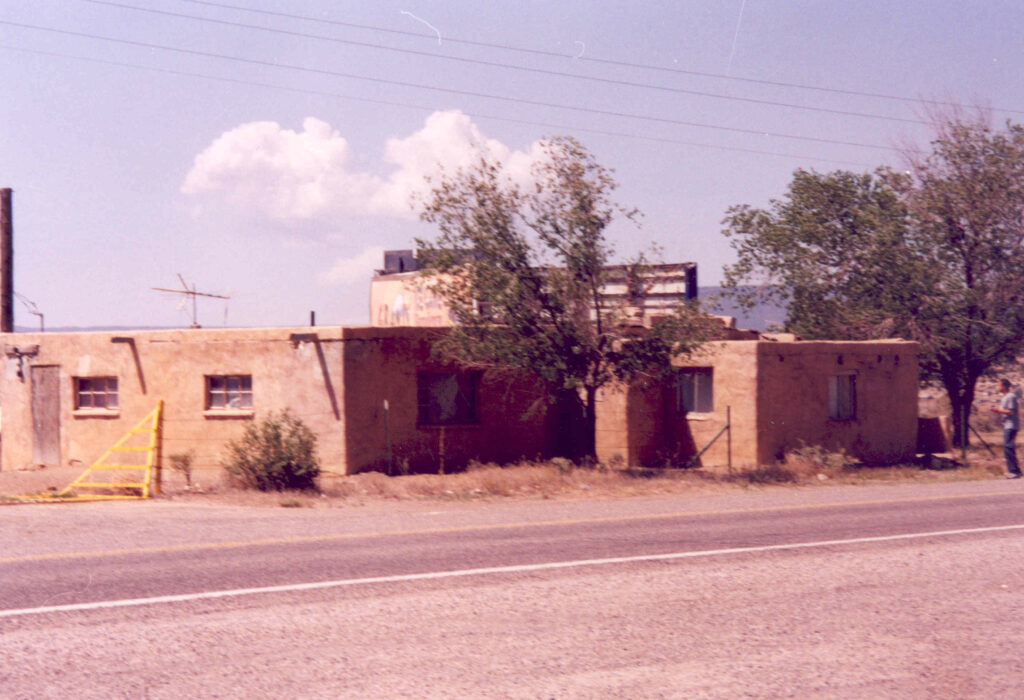
While the interstate system made travel faster and safer, it also spelled doom for thousands of small towns and businesses along the old highways. Communities that had thrived serving Route 66 travelers found themselves bypassed by the new superhighways.
Between 1956 and 1984, when Route 66 was officially decommissioned:
- Hundreds of motels, diners, and gas stations closed
- Small towns lost their economic lifeline
- Roadside attractions fell into disrepair
- A uniquely American cultural landscape began disappearing
However, this same period saw the RV industry mature into a significant economic force. By 1967, the Recreation Vehicle Industry Association (RVIA) was established to represent manufacturers and promote RV travel.
The Modern RV Revolution: 1980-Present
RVing Becomes Mainstream
The 1980s and 1990s witnessed RVing’s transformation from a niche hobby into a mainstream vacation choice. Several developments drove this shift:
- Improved RV designs: Better fuel efficiency, more comfortable interiors, and enhanced reliability
- Campground expansion: Private campground chains and improved public facilities
- Retired baby boomers: The generation that grew up on family road trips began retiring with time and resources to travel
- Full-time RVing: Growing numbers of Americans chose to live in their RVs year-round
“The RV industry has grown into a $50+ billion annual economic force, with over 11 million American households owning at least one recreational vehicle.”
The 21st Century Road Trip Renaissance
The 2020s have seen an extraordinary surge in interest in RV travel. The COVID-19 pandemic accelerated trends already underway:
- RV sales reached record levels in 2020 and 2021
- Younger demographics discovered RVing as a safe travel alternative
- Remote work enabled extended road trips for digital nomads
- First-time buyers flooded the market, often purchasing RVs within days of deciding to buy
According to industry data, RV ownership demographics have shifted significantly:
Age Group | 2011 RV Ownership | 2021 RV Ownership |
<35 | 8% | 22% |
35-54 | 36% | 38% |
55+ | 56% | 40% |
Historic Road Trip Routes Every RV Traveler Should Experience
The Revolutionary War Trail: Boston to Yorktown
Following George Washington’s path from Boston to Yorktown creates one of America’s most meaningful historical RV journeys, spanning approximately 600 miles through the birthplace of American independence.
Boston, Massachusetts
Begin your historical journey where American independence was born. The 2.5-mile Freedom Trail passes 16 historically significant locations, making it one of the most concentrated historical walks in America.
Key sites include:
- Paul Revere’s House (1680): The oldest remaining home in downtown Boston
- Old State House: Site of the 1770 Boston Massacre
- Faneuil Hall: “The Cradle of Liberty” where Samuel Adams and others debated revolution
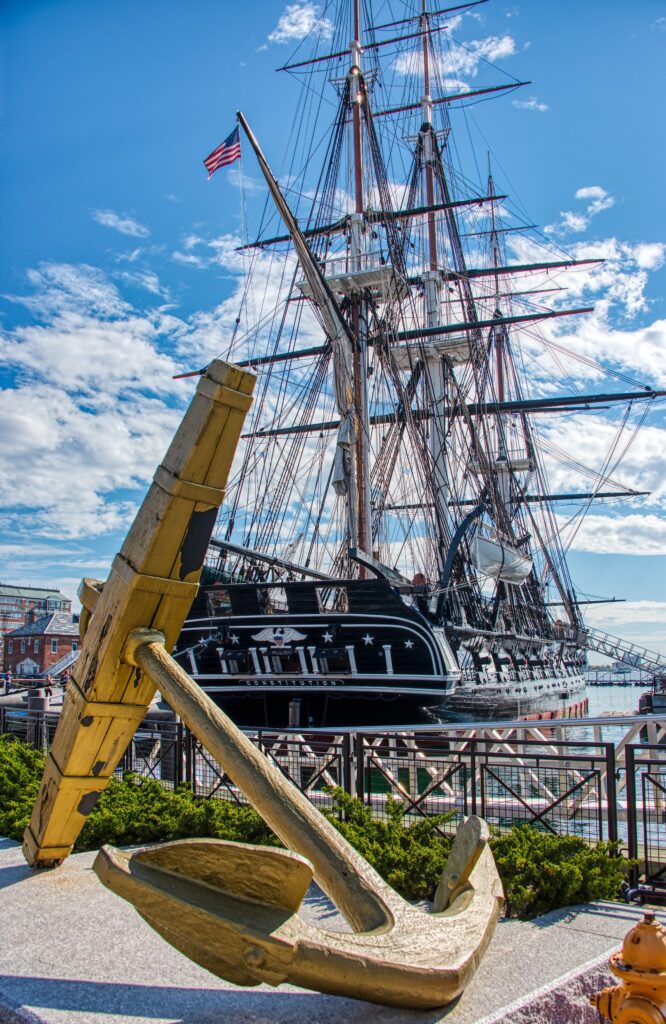
- USS Constitution: “Old Ironsides,” the world’s oldest commissioned warship still afloat
- Boston Tea Party Ships and Museum: Interactive experience of the famous 1773 protest
RV Tip: Boston’s colonial-era streets weren’t designed for modern RVs. Park at Spacious Skies Minute Man Campground in Littleton and use the “T” (public transit) to explore the city comfortably.
Philadelphia, Pennsylvania
The city where America was founded offers RV travelers exceptional access to Revolutionary history.
Must-visit destinations:
- Independence Hall: Where both the Declaration of Independence and Constitution were signed
- Liberty Bell Center: View the iconic symbol of American freedom
- Valley Forge National Historical Park: Winter encampment site with scenic drives perfect for RVs
- Betsy Ross House: Traditional home of the first American flag maker
“Valley Forge National Historical Park is tailor-made for RVers, featuring scenic drives, easy parking near monuments, and multiple nearby campgrounds.”
The Historic Triangle: Williamsburg, Jamestown, and Yorktown
Virginia’s Historic Triangle connects three of America’s most significant colonial and Revolutionary sites via the scenic Colonial Parkway.
- Jamestown (1607): America’s first permanent English settlement
- Colonial Williamsburg: The world’s largest living history museum, with 300 acres of restored 18th-century buildings
- Yorktown Battlefield: Where American independence was won in 1781
The Civil War Trail
Gettysburg, Pennsylvania
The Battle of Gettysburg, fought July 1-3, 1863, resulted in approximately 51,000 casualties, making it the bloodiest battle in American history and a turning point of the Civil War.**
Essential Gettysburg experiences:
- Gettysburg National Military Park: 6,000 acres with 1,300 monuments and markers
- Gettysburg National Cemetery: Where Lincoln delivered his famous address on November 19, 1863
- Auto Tour Route: 24 miles of paved roads through the battlefield, perfect for RV exploration
- Cyclorama: 360-degree painting depicting Pickett’s Charge
For RV travelers exploring Pennsylvania’s rich history, Splash Magic RV Resort and James Creek RV Resort offer comfortable accommodations within driving distance of Gettysburg and other historical attractions.
Charleston, South Carolina
The Civil War began at Fort Sumter in Charleston Harbor on April 12, 1861, when Confederate forces fired on the federal garrison, marking the start of America’s bloodiest conflict.
Charleston Civil War highlights:
- Fort Sumter National Monument: Accessible by ferry, this island fort witnessed the war’s first shots
- Battery Park: Waterfront promenade with antebellum mansions and harbor views
- Charleston City Market: Historic market operating since 1804
- CSS Hunley Museum: The first submarine to sink an enemy warship
After exploring Charleston’s history, travelers heading into South Carolina’s interior can enjoy The Point at Lake Hartwell, offering lakefront camping and water activities.
Route 66: The Mother Road
Though officially decommissioned in 1985, Route 66 remains America’s most nostalgic highway, with significant portions still drivable and historic attractions lovingly preserved.
Best-preserved Route 66 sections for RV travel:
- Illinois: Original brick pavement near Auburn
- Missouri: Meramec Caverns and the Chain of Rocks Bridge
- Oklahoma: Blue Whale of Catoosa and POPS soda ranch
- Texas: Cadillac Ranch and Big Texan Steak Ranch
- New Mexico: Historic Tucumcari motels and Santa Fe Plaza
- Arizona: Seligman (birthplace of Route 66 revival) and Oatman ghost town
- California: Santa Monica Pier’s “End of the Trail” sign
“Despite being officially decommissioned in 1985, approximately 85% of the original Route 66 alignment remains drivable, preserved through the efforts of dedicated enthusiasts and historic preservation organizations.”
RJourney properties along or near the historic Route 66 corridor include Perryville RV Resort and Pin Oak RV Resort in Missouri, perfect for experiencing the Mother Road’s heritage.
America’s National Parks: The Ultimate Road Trip Destinations
The National Park Service: Preserving America’s Treasures
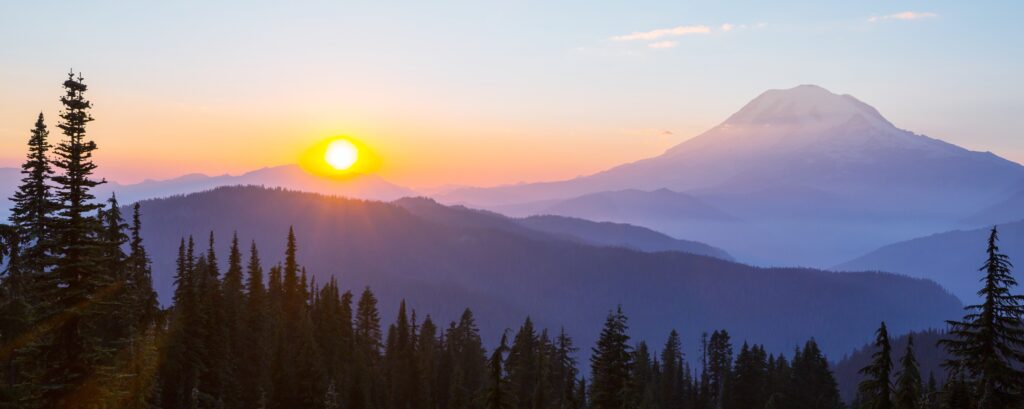
The National Park Service was established on August 25, 1916, creating a unified system to manage America’s most spectacular natural and historic sites—and fundamentally shaping the American road trip tradition.
Today, the system includes:
- 63 designated national parks
- 423 total sites (monuments, battlefields, historic sites, etc.)
- Over 85 million acres of protected land
- 312+ million annual visitors
Iconic National Park Road Trip Routes
The Utah Mighty Five
Utah’s five national parks create one of America’s most spectacular RV road trip loops:
- Zion National Park: Dramatic red cliffs and emerald pools
- Bryce Canyon National Park: Otherworldly hoodoo rock formations
- Capitol Reef National Park: Hidden gem with pioneer history
- Arches National Park: Over 2,000 natural stone arches
- Canyonlands National Park: Vast wilderness of canyons and mesas
RJourney’s Utah properties provide ideal base camps:
Bryce Canyon RV Resort, Cedar City RV Resort, and Dixie Forest RV Resort offer convenient access to multiple parks.
The Great American West
Colorado offers some of America’s most scenic RV touring, combining natural beauty with mining history, Native American heritage, and mountain adventure.
Base your Colorado explorations from these RJourney properties:
- Applewood RV Resort near Denver
- Cortez RV Resort near Mesa Verde National Park
- Dolores River RV Resort in the stunning San Juan Mountains
- Tunatua RV Resort for mountain exploration
Planning Your Historical RV Road Trip
Best Times to Visit Historical Sites
Season | Advantages | Considerations |
Spring | Moderate temperatures, blooming landscapes, fewer crowds | Some high-altitude routes may have snow |
Summer | All sites open, extended hours, ranger programs | Peak crowds, higher campground prices |
Fall | Beautiful foliage, comfortable weather, thinner crowds | Some seasonal attractions closing |
Winter | Lowest prices, authentic atmosphere | Reduced hours, some closures |
“Spring and fall offer the ideal combination of pleasant weather, manageable crowds, and campground availability for historical RV road trips across most of the United States.”
Practical Tips for RV Historical Travel
Before You Go:
- Check NPS.gov for current hours, ranger programs, and accessibility
- Reserve campgrounds well in advance, especially for popular destinations
- Download offline maps for areas with limited cell service
- Verify RV length restrictions at historical sites
During Your Trip:
- Plan multiple days for comprehensive historical exploration
- Use public transportation in cities when available (Washington D.C.’s Metrorail, Boston’s “T”)
- Allow flexibility for unexpected discoveries
- Engage with ranger programs and guided tours for deeper understanding
RV-Specific Considerations:
- Many colonial-era cities have challenging downtown parking—stay at nearby campgrounds
- National park campgrounds often have length limits (usually 27-40 feet)
- Consider towing a smaller vehicle for day trips into historic districts
- Some historical sites offer dedicated RV parking areas
The Cultural Impact of American Road Trips
Road Trips in American Literature and Film
The American road trip has inspired countless artistic works that shaped how we view travel and freedom:
Literature:
- “The Grapes of Wrath” (1939) by John Steinbeck: Dust Bowl migration along Route 66
- “On the Road” (1957) by Jack Kerouac: Beat Generation’s search for meaning
- “Travels with Charley” (1962) by John Steinbeck: Cross-country journey with his poodle
- “Blue Highways” (1982) by William Least Heat-Moon: Exploration of small-town America
Film:
- “Easy Rider” (1969): Counterculture motorcycle journey
- “National Lampoon’s Vacation” (1983): Comic family road trip
- “Thelma & Louise” (1991): Female empowerment on the open road
- “Cars” (2006): Animated tribute to Route 66 culture
“American road trip narratives in literature and film have consistently explored themes of freedom, self-discovery, and the search for authentic American experience.”
The Economic Impact of RV Travel
Modern RV travel represents a significant economic force:
- $114 billion annual economic impact from RV travel and camping
- Over 16,000 private and public campgrounds across the United States
- 680,000+ jobs supported by the RV industry
- 40 million Americans go RV camping annually
Frequently Asked Questions About American Road Trip History
When did Americans start taking road trips?
Americans began taking road trips in the early 1900s, with the first documented cross-country automobile journey completed in 1903. Dr. Horatio Nelson Jackson drove from San Francisco to New York City in 63 days, proving that transcontinental automobile travel was possible. However, road trips didn’t become a widespread American tradition until the 1920s, when automobile ownership became affordable for middle-class families and basic road infrastructure improved.
Why is Route 66 called the “Mother Road”?
Route 66 earned the nickname “Mother Road” from John Steinbeck’s 1939 novel “The Grapes of Wrath.” In the book, Steinbeck described the highway as “the mother road, the road of flight” for the estimated 200,000 Dust Bowl refugees who traveled it seeking a better life in California during the 1930s. The name stuck because the highway nurtured and sustained the communities along its path, much like a mother provides for her children.
What was the first recreational vehicle (RV)?
The first purpose-built luxury motorhome is generally considered to be the Pierce-Arrow “Touring Landau” introduced in 1910. This innovative vehicle featured a fold-down bed, chamber pot toilet, and sink with running water. However, individual inventors and tinkerers had been converting vehicles for camping purposes since the early 1900s. The modern travel trailer industry began in earnest in 1929 when Arthur Sherman built the first commercially successful “Covered Wagon” trailer.
How did the Interstate Highway System change American road trips?
The Federal Aid Highway Act of 1956 authorized 41,000 miles of interstate highways, fundamentally transforming American road travel by enabling faster, safer cross-country journeys. Before the interstate system, cross-country travel often took weeks on narrow, winding roads. The new highways reduced travel times dramatically but also bypassed many small towns and classic roadside attractions, leading to the decline of historic routes like Route 66 and the communities that depended on them.
What’s the most historic road trip route in America?
The Revolutionary War trail from Boston to Yorktown is widely considered the most historically significant road trip route in America, covering approximately 600 miles through the birthplace of American independence. This route includes iconic sites like the Freedom Trail, Independence Hall, Valley Forge, Colonial Williamsburg, and Yorktown Battlefield. For Civil War history, the route connecting Gettysburg, Antietam, and Harpers Ferry offers unparalleled historical significance.
Conclusion: Your Place in American Road Trip History
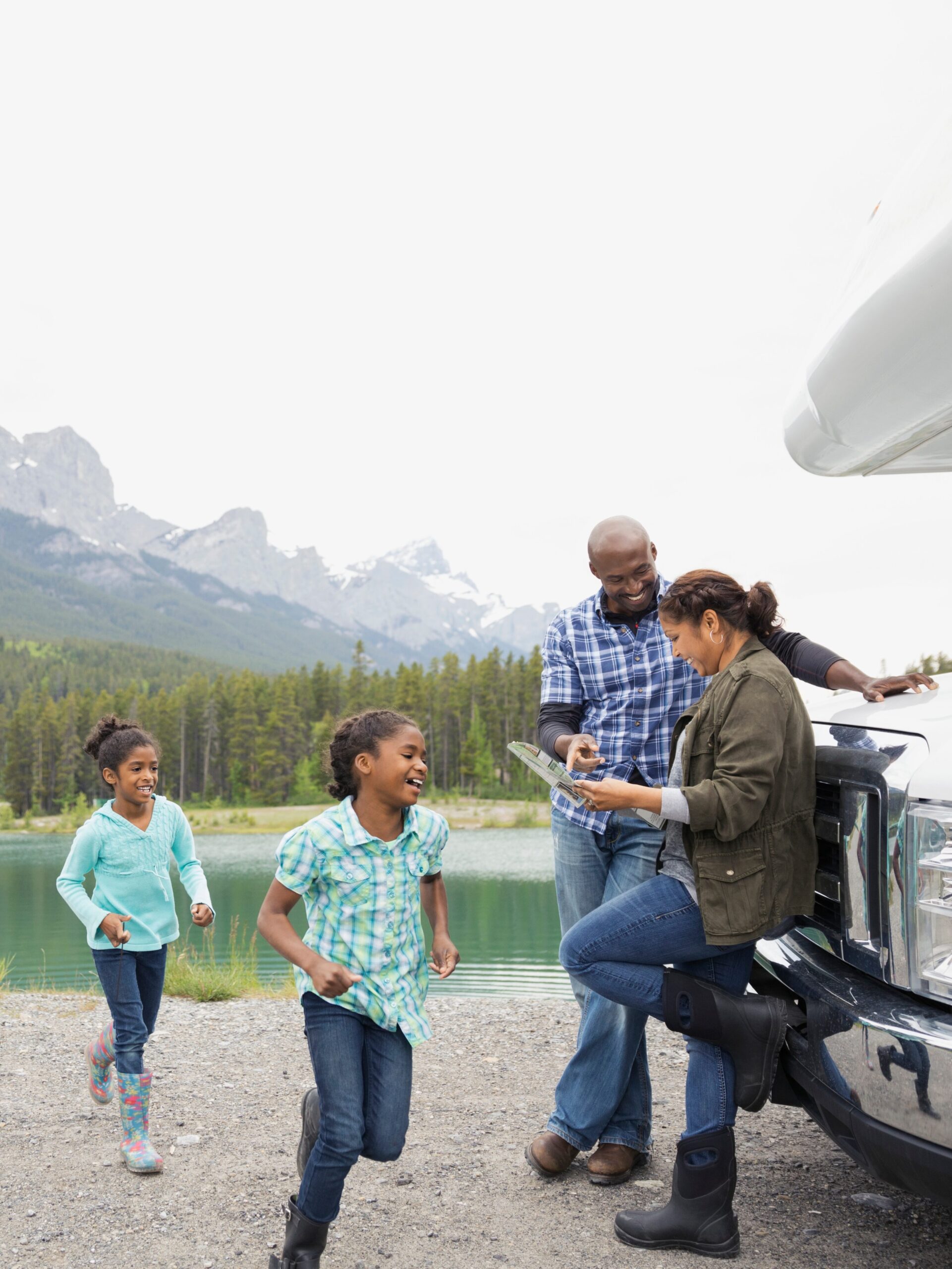
Every time you start your RV engine and pull onto the highway, you become part of a tradition stretching back over 120 years. From Dr. Horatio Jackson’s audacious 1903 wager to today’s modern RV enthusiasts, the American road trip remains a powerful expression of freedom, curiosity, and the endless human desire to see what lies beyond the horizon.
The routes you travel were pioneered by adventurers, refugees, families, and dreamers who saw the open road as a path to something better. The campgrounds where you stay evolved from primitive auto camps where “Tin Can Tourists” gathered around campfires. The scenic byways and historic sites you visit were preserved by generations who understood their importance to our national story.
As you plan your next great American road trip, remember that you’re not just traveling through geography—you’re traveling through history. Every mile of highway, every historic battlefield, every quirky roadside attraction connects you to the millions of travelers who came before and the millions who will follow.
Ready to write your own chapter in American road trip history? Explore RJourney’s network of RV parks and campgrounds across the nation, from Colorado’s mountain resorts to Utah’s canyon country, from the lakes of Wisconsin to the historic byways of Pennsylvania. Your adventure awaits—and America’s roads are calling.
Start planning your historic road trip adventure today. Visit RJourney.comto find the perfect campground for your journey through American history.ning your historic road trip adventure today. Visit RJourney.com to find the perfect campground for your journey through American history.