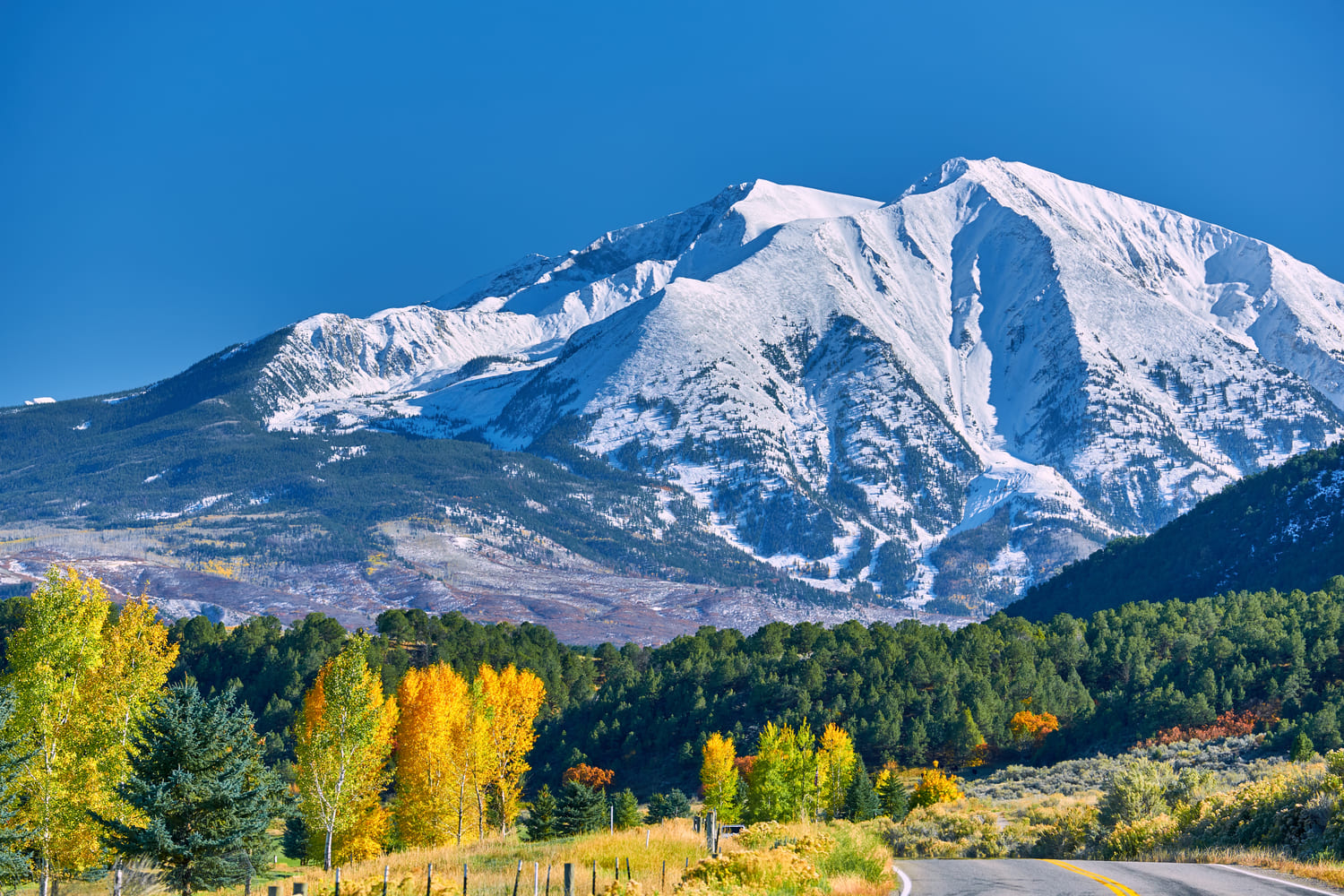
Colorado gets 300+ days of sunshine per year, has 58 peaks above 14,000 feet, and more than 23 million acres of public land. Those are geological and meteorological numbers, posted by the U.S. Geological Survey and the National Weather Service. They translate into one of the best camping states in the country.
The challenge isn’t finding a place to camp. It’s narrowing the options. Colorado has 42 state parks, 11 national forests, 4 national parks and monuments, and thousands of miles of BLM land available for dispersed camping. The terrain shifts from high desert at 4,000 feet to alpine tundra above 12,000 feet, sometimes within a 2-hour drive.
Here’s how to sort through it, organized by region.
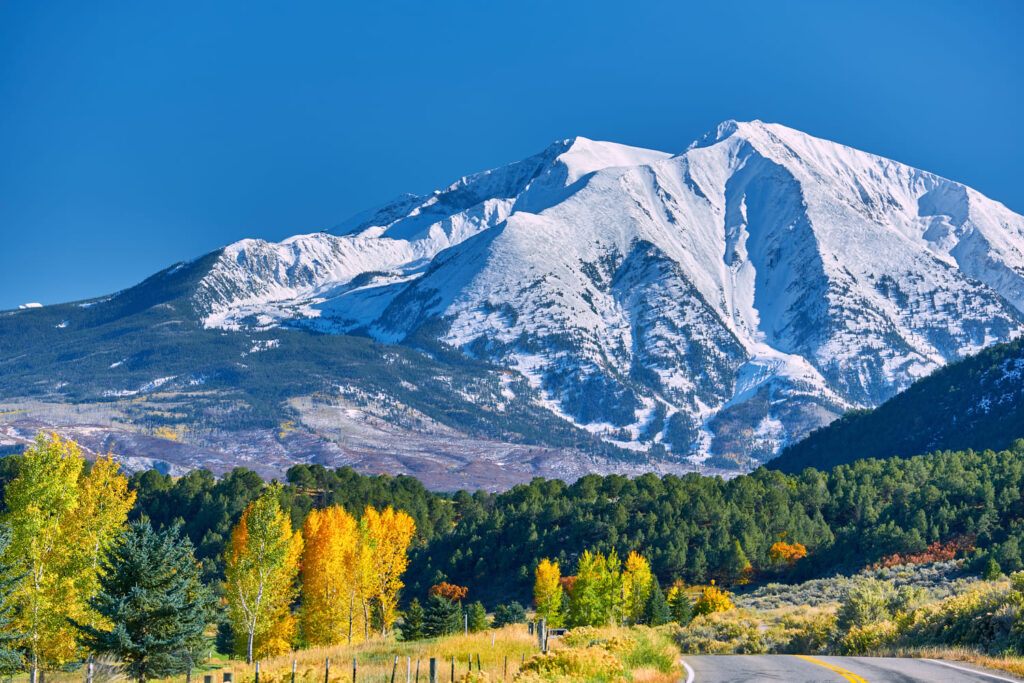
Front Range and Denver Metro Area
The Front Range is where most Colorado camping trips start, because it’s where most people live (and fly into). The good news: you don’t have to drive far to reach quality camping.
Rocky Mountain National Park
RMNP is the crown jewel of Front Range camping, and it’s crowded enough to prove it. Trail Ridge Road climbs to 12,183 feet and stays above treeline for 11 continuous miles, making it the highest continuous paved road in any national park. On a clear day, you can see the Continental Divide stretching north and south from the Alpine Visitor Center like a spine.
Camping: The park has 5 campgrounds with a combined 570 sites, and they fill up. Reservations open 6 months in advance on Recreation.gov and popular summer dates sell out within hours. Glacier Basin and Moraine Park are the most popular (and the hardest to book).
Alternative: Camp outside the park and drive in for day trips. Estes Park has private campgrounds, and RJourney’s Applewood RV Resort in Wheat Ridge (just outside Denver) gives you a comfortable base with full hookups, about 90 minutes from the park entrance. After a day at 12,000 feet, the drive back to a site with a hot shower and level pad is worth it.
Golden Gate Canyon State Park
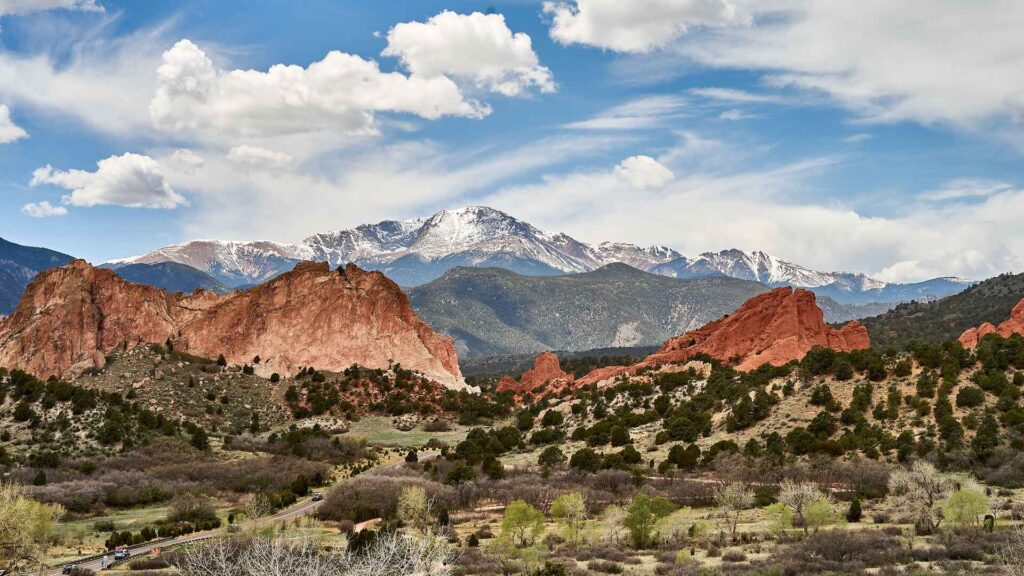
35 miles west of Denver, Golden Gate Canyon covers 12,119 acres of Front Range forest between 7,600 and 10,400 feet. It’s the closest “real mountain” camping to the city. Aspen groves, wildflower meadows, and views of the Continental Divide from Panorama Point.
Camping here ranges from RV-accessible sites at Reverend’s Ridge (97 sites, electric hookups) to backcountry shelters. It’s popular on weekends but manageable midweek.
Mueller State Park
West of Colorado Springs near Cripple Creek, Mueller has 5,112 acres of Ponderosa pine forest with views of Pikes Peak. 132 campsites, 44 miles of hiking trails, and a elk herd that numbers over 1,000 animals. Dawn and dusk, you can watch them graze from your campsite.
Western Slope
Cross the Continental Divide heading west and the landscape transforms. Pine forest gives way to red rock, river canyons, and mesa country. The Western Slope has fewer people and more elbow room.
Dolores River Valley
The Dolores River cuts through sandstone canyon country in southwestern Colorado, and the camping along it is some of the most scenic in the state. Red rock walls, cottonwood-lined riverbanks, and water that runs cold from McPhee Reservoir releases.
Dolores River Campground and Cabins sits right in this valley, with river access from the property. Sites back up to the water. You can fish from your campsite in the morning and explore Mesa Verde National Park (a 45-minute drive) in the afternoon.
The nearby town of Dolores is small (population about 950) but has the basics: a grocery store, a hardware store, and a few restaurants. It’s a genuine small-town Colorado experience without the resort-town polish (or prices) of places like Telluride.
Cortez and Mesa Verde
Cortez serves as the gateway to Mesa Verde National Park, which preserves the cliff dwellings of the Ancestral Puebloans. The park contains over 5,000 archaeological sites, including 600 cliff dwellings built between 600 and 1,300 AD. Cliff Palace, the largest cliff dwelling in North America, has 150 rooms and 23 kivas.
Cortez RV Park gives you easy access to Mesa Verde and the Four Corners region. The area also serves as a base for exploring Canyons of the Ancients National Monument (the highest known density of archaeological sites in the United States) and Hovenweep National Monument.
Craig and the Yampa Valley
Northwest Colorado doesn’t get the tourist traffic, which is precisely the appeal. Craig sits along the Yampa River, one of the last free-flowing rivers in the Colorado River system. Tunatua RV Resort near Craig offers access to this quieter corner of the state, where elk hunting, fishing, and wide-open ranch country define the character. Town deer wander through the property regularly, and the night skies are some of the darkest in Colorado.
Grand Junction and the Colorado National Monument
Grand Junction anchors the Grand Valley at the confluence of the Colorado and Gunnison Rivers. Colorado National Monument rises above the city, with 20,500 acres of red sandstone canyons, monoliths, and the 23-mile Rim Rock Drive that traces the canyon edge at 6,000 feet.
The area is also wine country (yes, Colorado wine). The Grand Valley AVA has over 20 wineries within a 30-minute drive, and the combination of canyon hiking in the morning and wine tasting in the afternoon is a trip format that doesn’t get enough attention.
High Country
Above 9,000 feet, Colorado’s character changes again. This is where the postcard views live, but it’s also where weather, altitude, and access constraints require more planning.
San Juan Mountains
The San Juans in southwestern Colorado are the most rugged mountain range in the state. The Million Dollar Highway (US-550 between Ouray and Silverton) climbs through 3 mountain passes with no guardrails and 1,000-foot dropoffs. It’s the most dramatic drive in Colorado, full stop.
Camping in the San Juans means dispersed sites in the San Juan National Forest or developed campgrounds near Durango, Silverton, and Ouray. Altitude ranges from 8,000 to 13,000 feet, and nighttime temperatures can drop below freezing even in July.
Leadville and the Sawatch Range
Leadville, the highest incorporated city in America at 10,152 feet, sits in the upper Arkansas River valley beneath Mount Elbert (14,440 feet) and Mount Massive (14,428 feet), the 2 highest peaks in Colorado. The area has abundant national forest dispersed camping, several developed campgrounds, and the headwaters of the Arkansas River for fishing and rafting.
When to Camp in Colorado
May and June
The season opens unevenly. Lower elevations (under 7,000 feet) are fully accessible by May. Mountain passes and high-elevation campgrounds may not open until late June, depending on snowpack. Check road status before heading to any mountain destination. The Dolores River and Western Slope are prime in May, while the high country is still digging out.
July and August
Peak season. Everything’s open, everything’s crowded at popular destinations. Afternoon thunderstorms are almost daily in the mountains, typically building between 12 PM and 2 PM and clearing by 5 PM. Plan high-elevation hikes for morning starts (on the trail by 7 AM) to avoid lightning exposure above treeline.
Temperatures: 80s to 90s on the Western Slope and Front Range, 60s to 70s above 8,000 feet, 50s to 60s above 10,000 feet.
September and October
The aspen season. Colorado’s aspens typically peak between mid-September and early October, depending on elevation. Kebler Pass near Crested Butte and the Dallas Divide near Ridgway are two of the most reliable viewing areas. The Dolores River valley is gorgeous in early October with cottonwoods turning gold along the riverbanks.
Crowds thin significantly after Labor Day. Nighttime temperatures drop: expect 30s to 40s at higher elevations. First snow can arrive at any time above 10,000 feet.
Wildlife to Know About
Colorado’s camping areas are home to black bears, mountain lions, moose, elk, mule deer, and various smaller critters. Bear-proof food storage is required or strongly recommended in most mountain campgrounds. See our camping food storage guide and black bear safety guide for specifics.
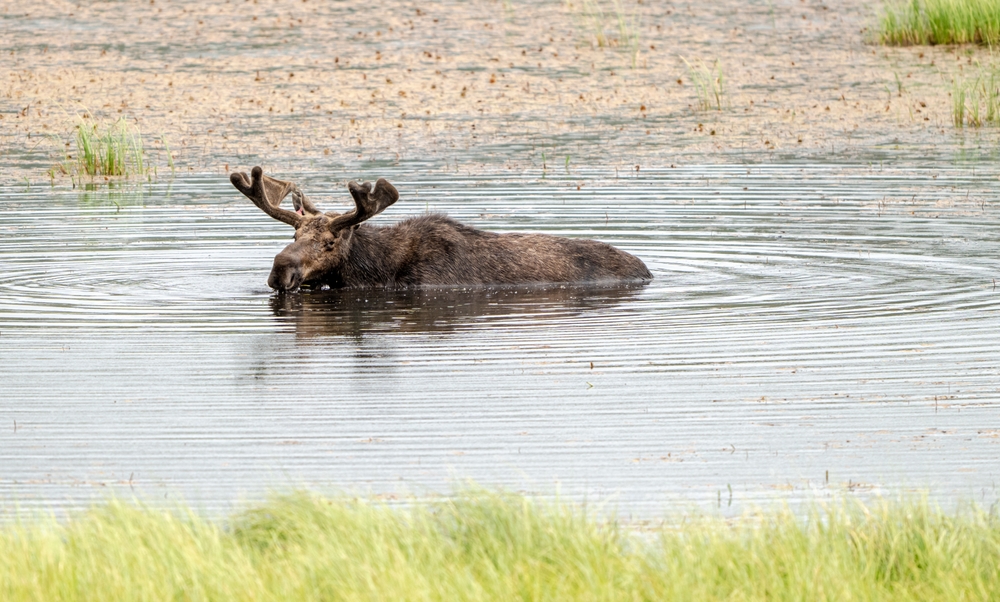
Moose deserve special mention. Colorado’s moose population has grown significantly since introduction in the 1970s, and they’re now common in willow areas near rivers and lakes, especially around Rocky Mountain National Park and the North Park region. Moose are larger than elk (up to 1,500 pounds), faster than they look, and more aggressive than bears when they feel crowded. Give them 50+ yards. Always.
RJourney’s Colorado Parks
RJourney operates 4 parks in Colorado, each positioned for a different kind of trip:
Applewood RV Resort in Wheat Ridge: 10 minutes from downtown Denver, 90 minutes from Rocky Mountain National Park. Full hookups, urban access, and a base camp for Front Range exploration. GBP searches for “rv park” near Applewood run over 5,100 per quarter, confirming the demand for a well-located Denver-area park.
Dolores River Campground and Cabins in Dolores: River-access camping in sandstone canyon country. 45 minutes from Mesa Verde, close to Canyons of the Ancients. The quieter, more scenic option.
Tunatua RV Resort near Craig: Northwest Colorado’s Yampa Valley. Elk country, ranch country, town deer at the property line, and some of the best trout fishing in the state.
Cortez RV Park in Cortez: Gateway to Mesa Verde and the Four Corners. Archaeological sites, red rock landscapes, and Ancestral Puebloan history.
Frequently Asked Questions
Where is the best camping in Colorado for mountain views?
The San Juan Mountains (Ouray, Silverton, Durango area) offer the most dramatic mountain scenery. For accessible views without extreme roads, Rocky Mountain National Park and the Sawatch Range near Leadville deliver. The Dolores River valley gives you red rock canyon views that are different from the classic alpine postcard but equally stunning.
Is dispersed camping legal in Colorado?
Yes, on most national forest and BLM land. It’s free, primitive (no facilities), and subject to basic rules: 14-day stay limits, 100+ feet from water sources, pack out all trash, and check for fire restrictions (common in summer). The San Juan, White River, and Arapaho-Roosevelt National Forests all have extensive dispersed camping. Check the local ranger district for area-specific closures before heading out.
When do Colorado campgrounds open for the season?
Lower-elevation campgrounds (under 7,000 feet) typically open in April or May. Mountain campgrounds (8,000+ feet) open between late May and late June, depending on snowpack. The Western Slope and Dolores River area are accessible earlier than the high country. Most campgrounds close between mid-September and mid-October. Check individual park websites or call ahead for current opening dates.
What should I know about camping at altitude in Colorado?
Altitude affects your body within the first 24 hours above 7,000 feet. Symptoms of mild altitude sickness include headache, fatigue, and shortness of breath. Drink more water than you think you need, avoid alcohol for the first day, take it easy on exertion, and sleep at the lowest elevation you can. Most people acclimate within 1 to 2 days. If symptoms worsen, descend. A base camp like Applewood at 5,500 feet gives you time to acclimate before heading to the high country.
Plan the Trip
Colorado’s geography rewards picking a region first, then a base camp. Front Range and Rocky Mountain access: Applewood. Western Slope canyon country: Dolores River or Cortez. Yampa Valley and the quieter northwest: Tunatua. Or browse every RJourney park and match the trip to availability. Crossing into Wyoming after? Our parks and forests in Wyoming guide covers the next leg.