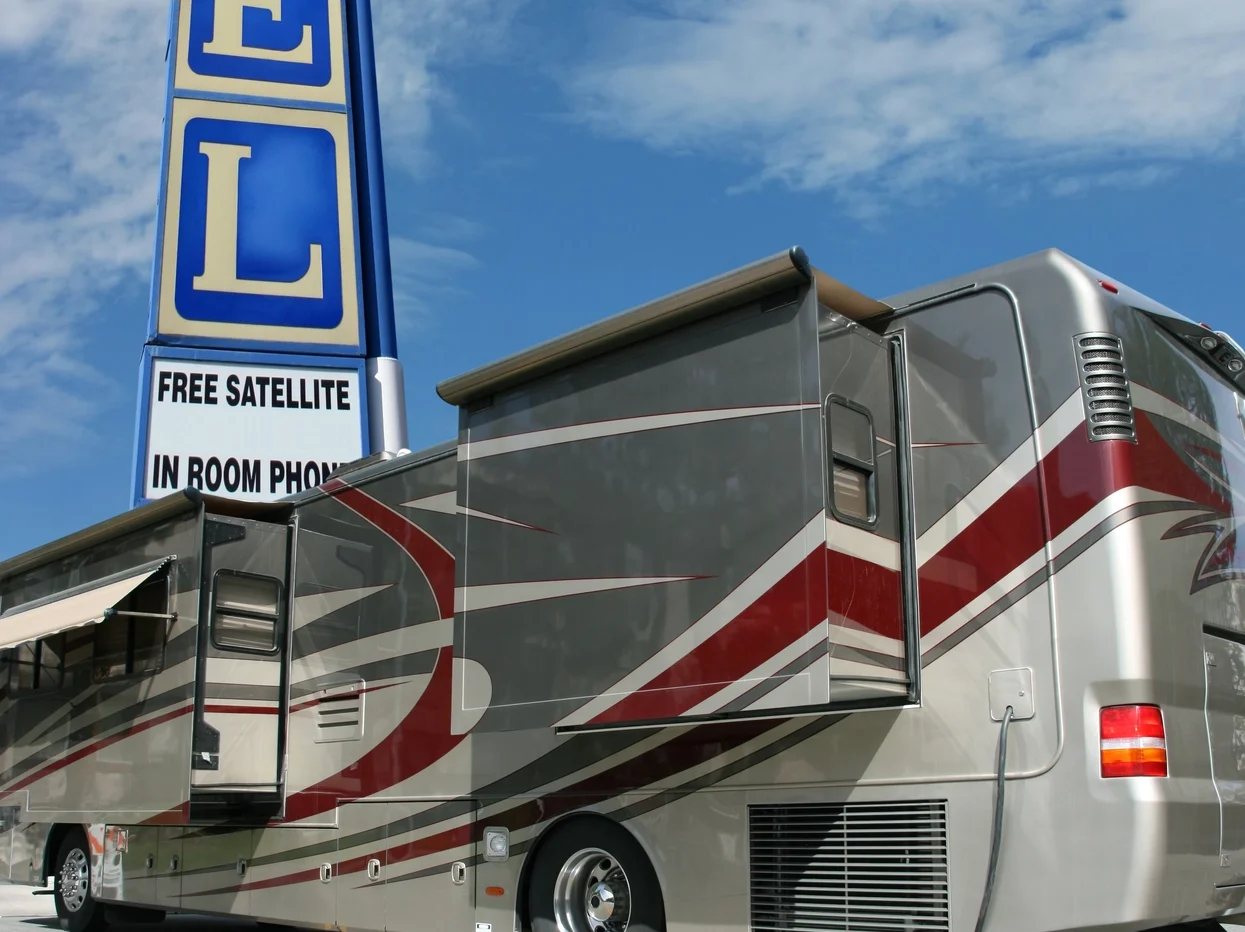
There’s a quiet revolution happening in American travel, and the RV resort vs hotel debate is at the heart of it. Across every generation, from young couples to retirees, more vacationers are swapping hotel key cards for campground hookups, and they’re not looking back. While everything else speeds up, people desire to slow down just a little bit. And with travel costs rising and more people seeking flexible, nature-focused vacations, understanding the pros and cons of each option is more important than ever. This guide is for families, groups, and solo travelers considering whether to stay at an RV resort or a hotel. Choosing between an RV resort and a traditional hotel depends on whether you prioritize nature, flexibility, and self-sufficiency versus convenience, service, and urban access.
The idea of hitting the open road and embracing the adventure of RV travel is inspiring more travelers to choose RV resorts over hotels, as it offers a unique lifestyle and the promise of memorable experiences.
Whether you’re planning your first road trip or your fiftieth, understanding the real differences between RV resorts and hotels can help you make the smartest choice for your budget, your family, and your sense of adventure. Let’s break it all down.
Summary Table: RV Resort vs. Hotel — Pros and Cons
| Feature/Factor | RV Resort (RV Parks/Campgrounds/Resorts) | Hotel (Traditional) |
|---|---|---|
| Cost | Lower nightly rates; fewer hidden fees | Higher nightly rates; more surcharges |
| Nature Access | Direct, immersive; outdoor activities | Minimal; often urban or suburban |
| Flexibility | High; change plans anytime | Fixed reservations; less flexible |
| Self-Sufficiency | Full kitchen, own space, bring your gear | Limited kitchen; rely on hotel services |
| Pet-Friendly | Almost always; open spaces, dog parks | Limited; often with fees/restrictions |
| Amenities | Pools, playgrounds, laundry, Wi-Fi, activities | Daily housekeeping, room service, gyms |
| Community | Social events, shared spaces, friendly culture | Less interaction; more privacy |
| Urban Access | Limited; best for nature/outdoor destinations | Excellent; ideal for city/business travel |
| Convenience | Some setup/maintenance required | No setup; all services provided |
| Best For | Families, groups, nature lovers, long trips | Business, solo, short urban stays |
Choosing between an RV resort and a traditional hotel depends on prioritizing nature, flexibility, and self-sufficiency versus convenience, service, and urban access.
Introduction to RV Travel
RV travel is quickly becoming one of the most popular ways for outdoor enthusiasts to explore the world, and it’s easy to see why. Unlike traditional hotel stays, RV travel gives you the freedom to set your own pace, choose your own route, and immerse yourself in nature whenever you want. Whether you’re planning a cross-country adventure or a weekend getaway, RV parks, RV campgrounds, and RV resorts offer a wide range of accommodations and amenities to suit every traveler’s needs. From scenic campgrounds nestled in national parks to full-service resorts with all the comforts of home, RV travel lets you experience the convenience of having everything you need on board while enjoying outdoor activities and adventure right outside your door. No matter your travel style or destination, RV travel opens up a world of possibilities for your next trip.
Types of RV Accommodations
RV parks provide essential amenities for a decent stay, while RV campgrounds focus more on a rustic experience. RV resorts offer more luxury and comfort compared to RV parks and campgrounds.
When planning an RV trip, it’s important to understand the different types of accommodations available, as each offers a unique experience. RV parks provide essential amenities like full hookups, laundry facilities, and Wi-Fi, making them a convenient choice for travelers who want easy access to town and basic comforts. For those seeking a closer connection to nature, RV campgrounds offer a more rustic setting with fewer amenities, perfect for travelers who want to unplug and enjoy the outdoors. If you’re looking for a touch of luxury, RV resorts are the way to go—these destinations often feature fitness centers, pools, lazy rivers, and a host of other upscale amenities, making them ideal for families and larger groups. Even if you don’t own an RV, rental RV options are widely available, allowing you to experience the freedom and flexibility of RV travel without a long-term commitment. No matter which type of park or campground you choose, you’ll find accommodations that fit your needs and help you make the most of your adventure.
RV Resort vs. Hotel: At a Glance
- Average Nightly Cost: RV Resort: $30–$120; Hotel: $150–$350
- Kitchen Access: RV Resort: Full kitchen in your RV; Hotel: Mini-fridge or none
- Pet-Friendly: RV Resort: Almost always; Hotel: Limited, often with fees
- Nature Access: RV Resort: Direct, immersive; Hotel: Minimal
- Flexibility: RV Resort: High — change plans anytime; Hotel: Fixed reservation
- Best For: RV Resort: Families, groups, extended trips; Hotel: Short urban stays, business travel
- Hidden Fees: RV Resort: Rare; Hotel: Parking, resort fees, pet surcharges
- Weekly Savings Potential: RV Resort: $100–$425+ over hotels; Hotel: Loyalty points/perks
- Note: Additional fees may apply at RV resorts, such as charges for extra amenities, mileage (if renting an RV), or environmental fees.
“RV resorts typically cost $30 to $120 per night, a fraction of the $150 to $350 average nightly rate at a comparable hotel, making RV travel one of the most cost-effective vacation options available in 2026.”
Why the RV Resort Is Winning the Travel Debate
Significant Cost Savings — Especially for Families and Groups
The most compelling argument in the RV resort vs. hotel debate often comes down to dollars and cents. A family of five booking a hotel for a week can easily spend $1,500 to $2,500 on rooms alone — before meals, parking fees, and resort surcharges. Choosing an RV resort can save families a significant amount of money, especially over longer trips or with larger groups. An RV resort site with full hookups, on the other hand, typically runs $60 to $120 per night, and everyone sleeps under one roof.
The savings multiply when you factor in food. With a full kitchen in your RV, you can cook your own meals, which means a week’s worth of groceries costs roughly $150 to $250 for a family, compared to $600 to $1,000 dining out near a hotel. Instead of paying for every meal at a restaurant, you have the convenience and cost savings of preparing your own food in the RV. That’s a potential savings of $425 or more per week — enough to extend your trip by several days.
“Families traveling by RV can save $425 or more per week compared to hotel stays when accounting for lodging, food, and incidental costs.”
RJourney parks like Lake Conroe RV Campground, Bryce Canyon RV Resort, Rockport RV Resort by RJourney, and Applewood RV Resort offer full-hookup sites with resort-level amenities at a fraction of what a nearby hotel charges.
Unmatched Freedom and Flexibility
Hotels lock you into a fixed location with rigid check-in and check-out times. RV travel flips the script entirely. RV resorts offer more freedom than hotels, allowing travelers to make spontaneous decisions and enjoy a flexible itinerary.
RV resorts give travelers the freedom to change plans spontaneously — wake up and decide to chase a sunset at the Grand Canyon, or add an extra night at a lakeside campground because the fishing is just too good to leave. There’s no front desk to negotiate with, no cancellation penalty for shifting your itinerary.
This flexibility is especially valuable for exploring America’s most iconic landscapes. RV travelers can move seamlessly from the red rock canyons near Cedar City RV Resort to the mountain forests around Cortez RV Resort — all on their own schedule.
Quotable: “The defining advantage of RV travel over hotel stays is freedom — the ability to change your destination, extend your stay, or discover a new route without penalty or hassle.”
Direct Access to Nature and the Outdoors
This is where hotels simply can’t compete. RV resorts are designed to put you in the middle of the experience, not behind a window looking out at a parking lot.
RV campgrounds provide a range of amenities and unique outdoor experiences for travelers seeking nature and adventure, making them an ideal choice for those who want to immerse themselves in the great outdoors.
America’s best RV destinations sit within striking distance of world-class natural attractions:
- West: Yellowstone, Yosemite, and the Oregon Cascades near Klamath Falls RV Resort
- Southwest: Grand Canyon, Zion, and Bryce Canyon near Dixie Forest RV Resort
- Southeast: Gulf Islands National Seashore near Sunburst RV Resort
- Midwest: The Ozarks near Grand Lake O’ the Cherokees
Activities like hiking, fishing, campfire cooking, and stargazing aren’t add-ons at an RV resort — they’re the entire point.
Modern RV Resorts Rival Hotel Amenities
If you’re picturing a dusty gravel lot with a single water spigot, think again. Today’s top RV resorts offer swimming pools, hot tubs, lazy river, playgrounds, dog parks, Wi-Fi, laundry facilities, camp stores, and organized activities — all included in your nightly rate or available at minimal cost.
Parks like Splash Magic RV Resort in Pennsylvania and Coconut Cove RV Resort in Wisconsin feature waterparks, themed weekends, and family entertainment that rival any vacation resort — with the added bonus of sleeping in your own space.
“Modern RV resorts have evolved far beyond basic campgrounds, now offering pools, hot tubs, organized activities, and Wi-Fi that rival traditional hotel amenities.”
Pet-Friendly Without the Fine Print

Anyone who’s traveled with a dog knows the hotel headache: breed restrictions, weight limits, per-night pet fees of $25 to $75, and the constant worry about barking complaints. RV resorts are overwhelmingly pet-friendly by default, with open green spaces, dog parks, and hiking trails where your four-legged family member is genuinely welcome.
At many RV resorts, pets aren’t just tolerated — they’re part of the community.
Community and Connection: The Social Side of RV Resorts
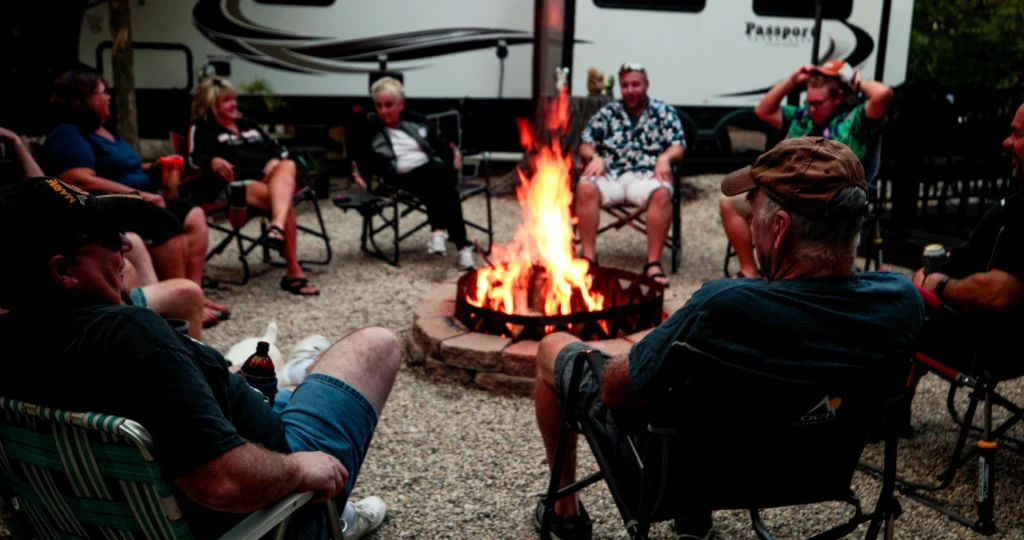
Community Amenities
One of the most rewarding aspects of staying at an RV resort is the sense of community that comes with it. RV resorts are designed to bring travelers together, offering amenities like clubhouses, community kitchens, and recreational facilities where guests can relax, socialize, and share stories from the road.
Social Events
Many resorts organize events such as potluck dinners, game nights, and group outings, making it easy to meet new friends and create lasting memories during your trip. Online forums and social media groups also help travelers connect before, during, and after their stay, fostering a welcoming atmosphere that extends beyond the resort itself. This strong sense of connection is a hallmark of the RV resort experience, turning every trip into an opportunity to build friendships and become part of a vibrant, supportive community.
When a Hotel Might Still Make Sense
To be fair, the RV resort vs. hotel comparison isn’t one-sided in every scenario. Hotels are often the better choice when:
- You’re on a short urban trip. A weekend in downtown San Francisco or New York City is logistically difficult with a 35-foot RV. Parking alone can be a nightmare.
- You’re traveling solo for business. A single traveler on a two-night work trip gets more value from a centrally located hotel.
- You prefer zero maintenance. RV travel involves some responsibility — driving a larger vehicle, managing hookups, and occasionally handling waste tanks. Hotels require nothing but a credit card.
- You want daily housekeeping and amenities. Hotels offer daily cleaning and fresh linens, but keep in mind that RVs provide the convenience of a private bathroom, which can be more comfortable and hygienic than sharing public restrooms or relying on hotel bathrooms.
While hotels offer a fixed place to sleep each night, RV travel allows you to rest and take breaks wherever you choose, such as parks or scenic spots, making it easier to relax during long trips. For families or groups, the quality of sleep in an RV can be more flexible and comfortable, as you have your own beds and space, compared to sharing a hotel room.
“Hotels remain the practical choice for short business trips and dense urban destinations where RV parking is limited or unavailable.”
Practical Tips for Choosing an RV Resort Over a Hotel
Booking Strategies
- Travel in shoulder season: Spring and fall offer lower nightly rates ($30–$60 at many parks), fewer crowds, and gorgeous weather at destinations across the country.
- Book popular resorts early: High-demand parks near national attractions fill up fast — reserve 2 to 3 months ahead for peak summer dates.
Packing and Preparation
- Stock your kitchen before you arrive: Grocery shopping at home is cheaper than buying at camp stores. Plan meals in advance to maximize your savings.
- Take advantage of RV packing: With an RV, you can conveniently pack all your essentials, entertainment, and supplies, making travel and leisure activities more comfortable.
Choosing the Right Park
- Factor in fuel costs honestly: RVs average 8 to 12 miles per gallon, so calculate fuel expenses against the airfare and rental car costs you’d pay for a hotel trip.
- Choose parks with the right amenities and campsites: Traveling with kids? Look for resorts with pools and playgrounds. Want solitude? Pick a quieter, nature-focused campground. Campsites can vary widely in features, privacy, and location, so consider what suits your needs best. Some RV campgrounds also offer tent camping options for those seeking a more rustic experience.
Explore the full collection of RJourney parks across the country, including our Military Appreciation Discount, to find the perfect fit for your next trip. If you are a first responder, don’t miss our First Responder Discount for special savings on your stay.
Frequently Asked Questions
Is staying at an RV resort really cheaper than a hotel?
Yes, in most cases. RV resort sites average $30 to $120 per night, while hotels average $150 to $350 per night. When you add in meal savings from cooking in your RV kitchen (approximately $350 to $750 less per week for a family of four), the cost difference becomes substantial. The savings are greatest for families, groups, and trips lasting more than a few nights.
What amenities do modern RV resorts offer?
Today’s RV resorts frequently include full hookups (water, electric, sewer), Wi-Fi, swimming pools, hot tubs, playgrounds, dog parks, laundry facilities, camp stores, and organized activities like movie nights and guided hikes. Many RJourney properties also offer waterparks, fishing access, and lakefront or riverside sites.
Are RV resorts good for first-time RV travelers?
Absolutely. Full-service RV resorts are specifically designed to make the experience easy, with clearly marked sites, on-site staff, and all the hookups you need. Parks like Elkhart RV Resort and Cheyenne RV Resort are excellent starting points for beginners, with friendly communities and straightforward setups.
Can I bring my pet to an RV resort?
Almost all RV resorts welcome pets, and most do so without the breed restrictions, weight limits, or per-night surcharges common at hotels. Many RJourney parks feature dedicated dog parks and pet-friendly trails.
When is the best time to book an RV resort for the lowest rates?
Shoulder seasons — typically April through May and September through October — offer the best combination of lower nightly rates, pleasant weather, and reduced crowds. Booking 2 to 3 months in advance for popular destinations ensures availability while locking in the best pricing.
The Open Road Is Calling
The RV resort vs. hotel debate ultimately comes down to what kind of experience you want. If you value freedom, nature, affordability, and the irreplaceable feeling of waking up to a mountain sunrise or a lakeside breeze, the RV resort wins — and it’s not particularly close.
More travelers are choosing the open road because it delivers something a hotel room never can: a vacation that feels like living, not just visiting.
Ready to experience the difference for yourself? Browse RJourney’s nationwide collection of RV resorts and campgrounds and find your next adventure today.
Conclusion
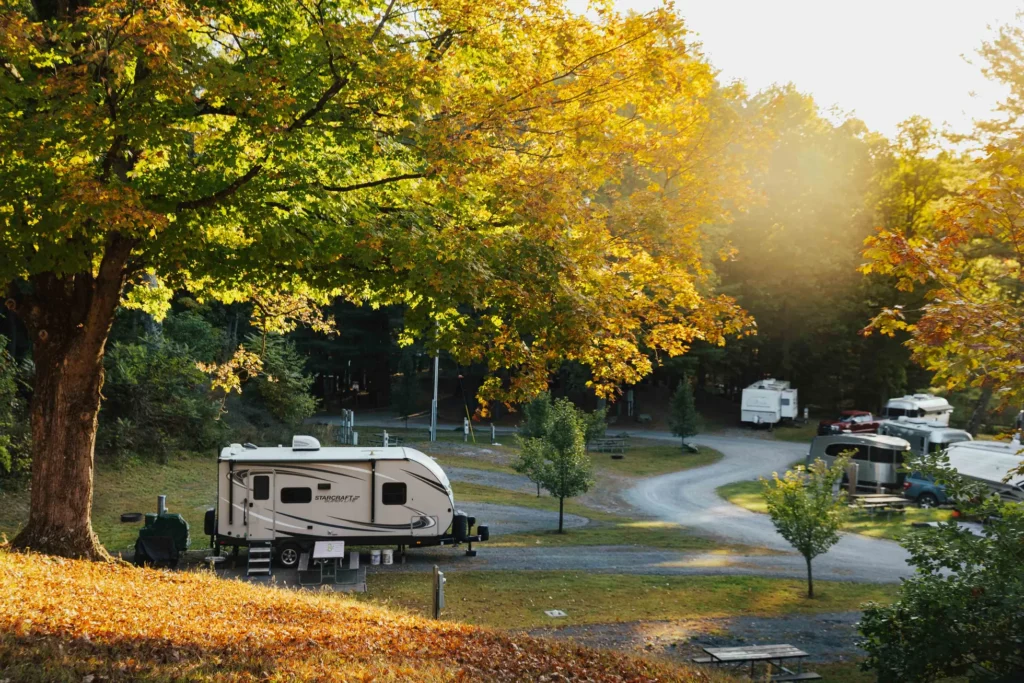
Choosing between an RV resort and a hotel is really a decision about how you want to travel. Hotels can be convenient for quick urban trips or business stays, but RV resorts deliver a more flexible, immersive experience that often costs significantly less—especially for families, groups, and longer vacations. With your own kitchen, pet-friendly space, and direct access to the outdoors, RV travel turns the journey itself into part of the vacation. If you are ready to trade fixed reservations and extra fees for open-road freedom and nature at your doorstep, now is the time to plan your next getaway. Visit RJourney to browse parks nationwide and book an RV resort that fits your route.
Choosing between an RV resort and a traditional hotel depends on prioritizing nature, flexibility, and self-sufficiency versus convenience, service, and urban access.