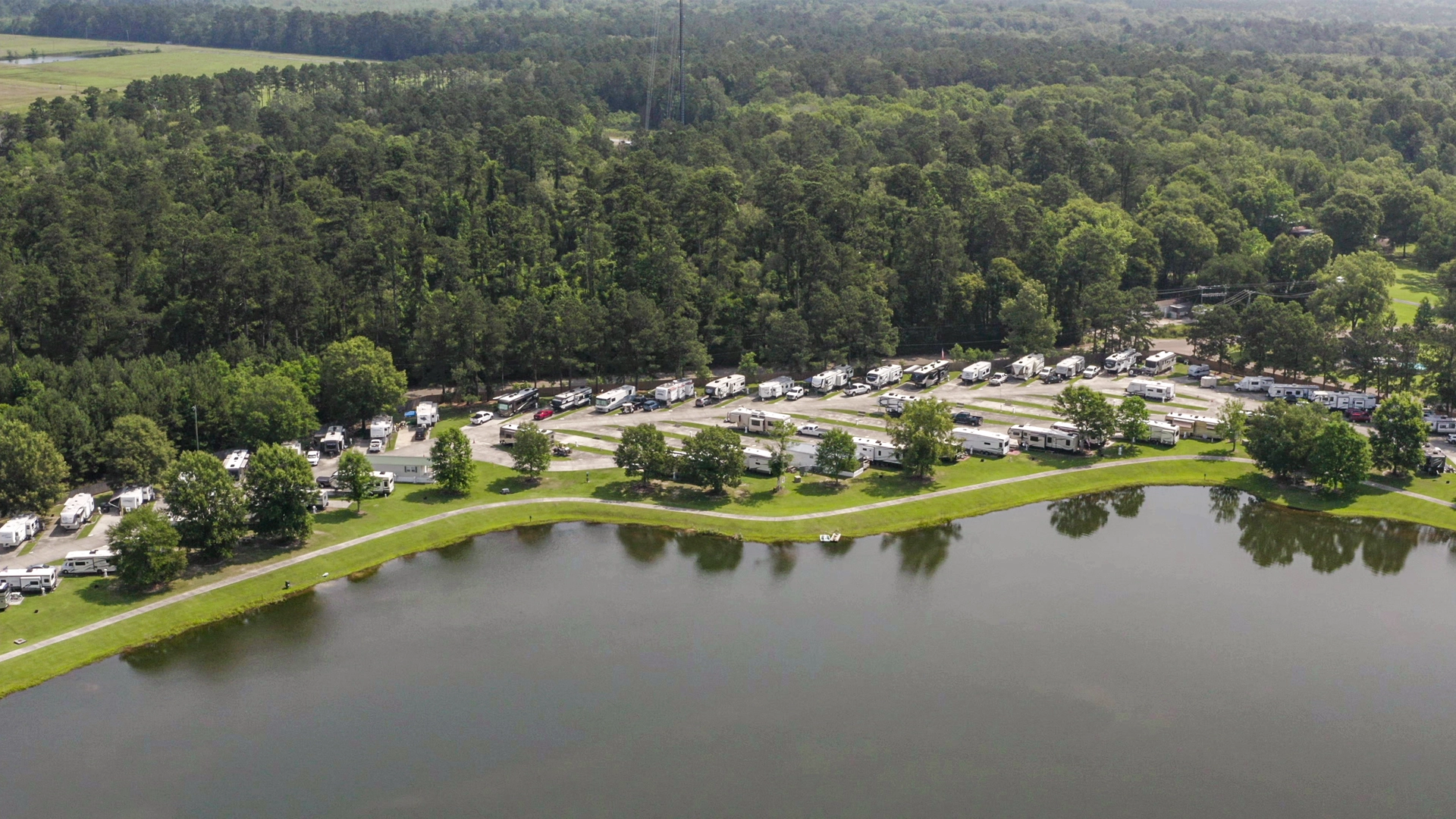
The open road is calling, but so is our responsibility to protect it, and the world we all share. As more Americans embrace the RV lifestyle—with over 11 million households now owning an RV—eco-friendly camping has become part of a global movement to safeguard the world and its natural resources. The good news? Camping greener in 2026 doesn’t mean sacrificing comfort or adventure. From solar-powered campgrounds to simple habit changes, sustainable RVing is more accessible (and more rewarding) than ever before.
Whether you’re a full-time RVer or a weekend warrior, this guide will show you exactly how to reduce your environmental footprint while still enjoying everything the great outdoors has to offer, from lakeside escapes to rugged mountain adventures out West.
What Is Eco-Friendly Camping?
Eco-friendly camping, also called sustainable, zero-waste camping, or eco camping, is the practice of reducing your environmental impact through thoughtful campground selection, responsible gear choices, and low-impact outdoor activities. It’s not about perfection — it’s about making better choices, one campsite at a time.
For RV travelers specifically, eco-friendly camping means being mindful of energy consumption, water usage, waste generation, and the broader ecological footprint of life on the road. Following eco friendly camping tips is essential for minimizing your impact and promoting sustainability during your outdoor adventures, and tools like RV parks, campgrounds, and RV resorts near you make it easier to find stays that match your travel style and values.
The concept of ‘leave no trace’ is becoming increasingly popular and important in today’s world.
Eco-Friendly RVing at a Glance
- Average RV fuel consumption: 8–14 miles per gallon depending on rig size
- Water usage per RV per day: 20–50 gallons on average
- Recycling rate at top eco-campgrounds: Up to 70% reclamation
- Solar-powered campsites available in the U.S.: Growing rapidly, with parks like Santee Lakes offering 300+ solar-powered full hook-up sites
- Harvest Hosts network: Over 9,800 sustainable locations across North America
- KOA Kamp Green program: Active since 2010, certifying campgrounds for renewable energy, water efficiency, and waste reduction
Why Eco-Friendly Camping Matters More in 2026
The RV and camping industry continues to grow, which means more visitors, more resource demand, and more pressure on the natural landscapes we love. Protecting natural resources and the natural environment is crucial to ensure these beautiful spaces remain healthy and accessible. Sustainable camping practices are no longer optional — they’re essential to preserving green spaces for future generations.
Climate-conscious travelers are driving this shift. Campgrounds across the country are responding with renewable energy systems, water recycling infrastructure, and plastic-free policies. As an RV traveler, the choices you make — from where you stay to how you manage your waste — directly shape the future of outdoor recreation. Eco-friendly camping helps conserve resources for future generations and supports the long-term health of our ecosystems.
Visiting popular camping areas during low season also helps reduce environmental strain, allowing the natural environment time to recover, and resources like the RJourney travel blog can help you discover alternative destinations and trip ideas that spread out visitor impact.
How to Choose an Eco-Friendly Campground
Not all campgrounds are created equal when it comes to sustainability. Eco friendly campgrounds are environmentally conscious options that prioritize sustainability and conservation, making them an excellent choice for responsible campers. Here’s what to look for when booking your next stay.
Many eco-friendly campgrounds offer amenities that support environmentally conscious camping, such as recycling stations, water recycling systems, water conservation features, and composting. These amenities enhance your camping experience while supporting sustainability, and 2026 seasonal open enrollment at participating RJourney resorts lets you enjoy those eco-minded amenities all season long on a single site.
Eco-friendly campgrounds often provide features that help reduce campers’ carbon footprints, such as energy-efficient appliances and local food sourcing.
Look for Green Certifications and Programs
Campgrounds participating in programs like the KOA Kamp Green initiative (established in 2010) or those recognized by the National Association of RV Parks and Campgrounds (ARVC) have demonstrated commitments to environmental stewardship. These parks typically feature renewable energy sources, water-efficient systems, and active recycling programs.
Prioritize Renewable Energy Infrastructure
The most forward-thinking campgrounds now power their sites with solar panels and wind turbines, significantly reducing reliance on fossil fuels. For example, Santee Lakes Recreation Preserve in California — winner of ARVC’s 2021 Large Park of the Year and Plan-It Green awards — runs many of its 300 full hook-up sites entirely on solar energy and maintains a comprehensive water recycling system.
Check for Water Conservation Practices
Parks using recycled water for landscaping, low-flow fixtures in bathhouses, and rainwater collection systems are leading the sustainability charge. Gulf State Park in Alabama, a 6,000-plus-acre preserve with nearly 500 campsites, uses rainwater-recycled showers and sustainability-sourced materials throughout its facilities.
RJourney Parks: A Great Home Base for Green Adventures
Many RJourney campgrounds and RV resorts are located near protected natural areas, national forests, and scenic waterways — making them ideal starting points for eco-conscious exploration. Whether you’re drawn to the red rock country near Bryce Canyon RV Resort in Utah or the forested bluffs around Baraboo RV Resort in Wisconsin, you’ll find comfortable, well-managed parks that respect their natural surroundings.
8 Practical Tips for Greener RV Travel
You don’t need a brand-new electric RV to make a difference. These eco friendly camping tips are perfect for your next camping adventure, helping you practice sustainability and minimize your environmental impact. Every little bit helps, and our planet will thank you for it in the long-run.
1. Reduce Single-Use Plastics
Eliminating single-use plastics is one of the simplest and most impactful changes any RV camper can make. Bring reusable water bottles, reusable bottles, reusable dishes, shopping bags, food storage containers, and utensils as alternatives to plastic water bottles and disposable plates. Using reusable dishes instead of disposable ones significantly reduces waste while camping. Opting for reusable dishes and containers significantly reduces waste during camping trips. Plastic water bottles have a major environmental impact due to resource consumption and pollution, so switching to reusable bottles is a key step toward eco friendly camping. Some campgrounds, like Cape Hatteras / Outer Banks KOA Resort in North Carolina, have implemented complete plastic bans — including water bottles — proving that a plastic-free camping experience is entirely achievable.
2. Switch to Solar Power
Portable solar panels and solar generators have become more affordable and efficient than ever. Even a modest 200-watt solar setup can power lights, charge devices, and run small appliances, reducing your reliance on generator fuel and shore power.
3. Use Environmentally Friendly Tank Chemicals
Your gray and black water tanks need treatment, but not all chemicals are created equal. Choose biodegradable, formaldehyde-free tank treatments to protect the waterways and ecosystems near your campsite. Parks Canada facilities specifically emphasize the importance of eco-safe tank chemicals for all RV visitors.
4. Conserve Water at Every Opportunity
The average RV uses between 20 and 50 gallons of water per day. Cut that number by taking shorter showers, turning off faucets while washing dishes, and fixing leaks immediately. When possible, use campground bathhouse facilities, which are often equipped with low-flow fixtures.
5. Try Boondocking
Boondocking — camping without hookups on public land or at locations like those in the Harvest Hosts network — naturally encourages conservation, and programs like student RV stay discounts at RJourney parks make it easier for younger travelers to experience minimalist, low-impact camping on a budget. When you’re managing limited onboard resources, you become acutely aware of every gallon of water and watt of electricity you consume. It’s eco-friendly camping in its purest form.
6. Choose Low-Impact Activities
Trade motorized recreation for hiking, cycling, kayaking, and wildlife observation, and remember the importance of staying on established trails to protect the environment. Many eco-conscious parks actively encourage this shift. Following Leave No Trace principles includes sticking to established trails and campsites, packing out all waste, and using biodegradable soap at least 200 feet from water sources. Gulf State Park offers free bike rentals and sustainability-sourced wooden bike paths, while Great Smoky Mountains National Park closes the popular Cades Cove Loop Road to vehicles on Wednesdays, typically from May through September, reserving it exclusively for cyclists and pedestrians. These activities allow you to enjoy nature while minimizing your impact.
7. Practice Responsible Waste Management
Properly disposing of trash, including micro-trash like food wrappers and cigarette butts, is essential for eco friendly camping. Never burn waste materials such as aluminum cans in campfires, as this releases harmful pollutants into the air and soil. Separate recyclables, compost food scraps when facilities are available, and pack out everything you bring in—packing out what you bring in is a fundamental rule for all campers to help keep camping areas clean and maintain their natural beauty. Great Smoky Mountains National Park operates a 70-percent reclamation recycling center, proving that high recycling rates are possible even in heavily visited natural areas.
8. Plan Efficient Routes
Reduce fuel consumption by planning routes that minimize backtracking. Combine multiple destinations into logical loops, travel during off-peak hours to avoid idling in traffic, and maintain proper tire pressure — underinflated tires can decrease fuel efficiency by up to 3%.
Eco-Friendly Eating on the Road
Sustainable RVing extends to your kitchen. Here’s how to eat greener while traveling:
- Choose organic food for your camping trip. Organic food is more eco-friendly than traditional agriculture, which often relies on synthetic pesticides. Organic farming typically does not use synthetic pesticides, resulting in a lower environmental impact and promoting sustainable camping practices. Using locally sourced organic food also supports local communities and reduces your carbon footprint.
- Make homemade energy bars as a sustainable snack option. Homemade energy bars are healthier and more environmentally friendly than store-bought varieties, and you can control the ingredients to avoid excess packaging and additives.
- DIY your snacks and meals to reduce packaged food waste
- Seek out farm-to-table dining at or near your campground — Gulf State Park’s Woodside restaurant sources ingredients locally, and Harvest Hosts locations often include farms, wineries, and breweries with fresh, locally produced offerings
- Compost when possible — more campgrounds are adding composting stations, and portable composting bins are available for RV travelers
Destinations Leading the Way in Sustainable Camping
Looking for inspiration? These parks are setting the standard for eco-friendly camping across the United States:
- Santee Lakes Recreation Preserve (Santee, CA): Solar-powered sites, water recycling, composting
- Gulf State Park (Gulf Shores, AL): Rainwater showers, bike paths, turtle-safe lighting
- Great Smoky Mountains NP (TN / NC): 70% recycling, car-free road days, year-round camping
- Cape Hatteras KOA Resort (Outer Banks, NC): Complete plastic ban, solar water heating
- Shelby / Mansfield KOA (Mansfield, OH): Wind turbine power, passive solar pool, LED lighting
For a comfortable home base while exploring natural wonders in the American West, consider Cedar City RV Resort or Cortez RV Resort, both within easy reach of national parks and breathtaking public lands. Travelers heading through the South can enjoy the scenic waterfront at Rockport RV Resort in Texas.
Frequently Asked Questions About Eco-Friendly RV Camping
What does eco-friendly camping mean for RV travelers?
Eco-friendly camping for RV travelers means taking deliberate steps to minimize your environmental impact while enjoying the outdoors. This includes choosing eco friendly camping gear, such as sleeping bags and other camping gear made from sustainable or recycled materials, and selecting natural bug repellent to reduce harm to the environment. Using biodegradable soap and toiletries is also important to minimize water pollution while camping. Additionally, conserve water and energy, reduce single-use plastics, choose campgrounds with sustainable practices, and opt for low-impact recreational activities like hiking and cycling instead of motorized options.
How can I make my RV more energy-efficient?
Start with portable or roof-mounted solar panels to supplement or replace generator use. Switch all interior lighting to LEDs, which use up to 75% less energy than incandescent bulbs. Improve insulation to reduce heating and cooling demands, maintain your RV’s engine and systems for peak efficiency, and keep tires properly inflated to maximize fuel economy. Additionally, investing in durable camping gear can save money by reducing the need for frequent replacements and helps minimize waste, supporting a more eco friendly camping experience.
Are there campground certifications for sustainability?
Yes. The KOA Kamp Green program, established in 2010, certifies campgrounds that meet specific environmental standards including renewable energy use, water conservation, and waste reduction. Many eco-friendly campgrounds offer amenities that help reduce your carbon footprint, such as energy-efficient appliances and locally sourced organic food. The National Association of RV Parks and Campgrounds (ARVC) also recognizes parks with its Plan-It Green award for outstanding sustainability practices.
Is boondocking more eco-friendly than staying at a full hook-up campground?
Boondocking can be more eco-friendly because it forces you to be self-sufficient with limited resources, naturally encouraging water and energy conservation. However, it is important to only camp in designated areas and stay on designated roads to prevent soil erosion and protect native plants and organisms. A well-managed campground with solar power, water recycling, and proper waste disposal systems can also be highly sustainable. The greenest option depends on your individual practices and the specific campground’s infrastructure.
What’s the single biggest thing I can do to camp greener?
Reducing waste — especially single-use plastics — is consistently cited as the most impactful change individual campers can make. Pair that with mindful water and energy use, and you’ll significantly reduce your environmental footprint without changing the way you enjoy your trip.
Another key step is to use biodegradable soap and toiletries. Using biodegradable soap, such as Sea to Summit Wilderness Wash, 200 feet from water sources helps minimize water pollution and is both effective and safe for the environment. Following Leave No Trace principles—like packing out all waste, using biodegradable soap responsibly, and sticking to established trails and campsites—further ensures your camping trip is eco friendly.
Conclusion
Eco-friendly RVing in 2026 is about making steady, practical choices that add up over time. By picking campgrounds with renewable energy and water-saving systems, reducing single-use plastics, using biodegradable tank treatments, and planning routes that cut fuel use, you can protect the places you love without giving up comfort. Small shifts like solar charging, shorter showers, and better recycling habits also tend to lower trip costs and make you more mindful of the outdoors. When you’re ready to plan your next low-impact getaway, explore RJourney’s collection of RV parks and campgrounds to find a home base near protected lands and scenic destinations, and take your next trip with a lighter footprint. If you have questions about specific parks or amenities, you can reach out through the RJourney contact page for personalized help planning your stay.