The cooler latch was closed. You’re sure of it. You latched it yourself at 11 pm, wiped the table, and zipped the awning screen.
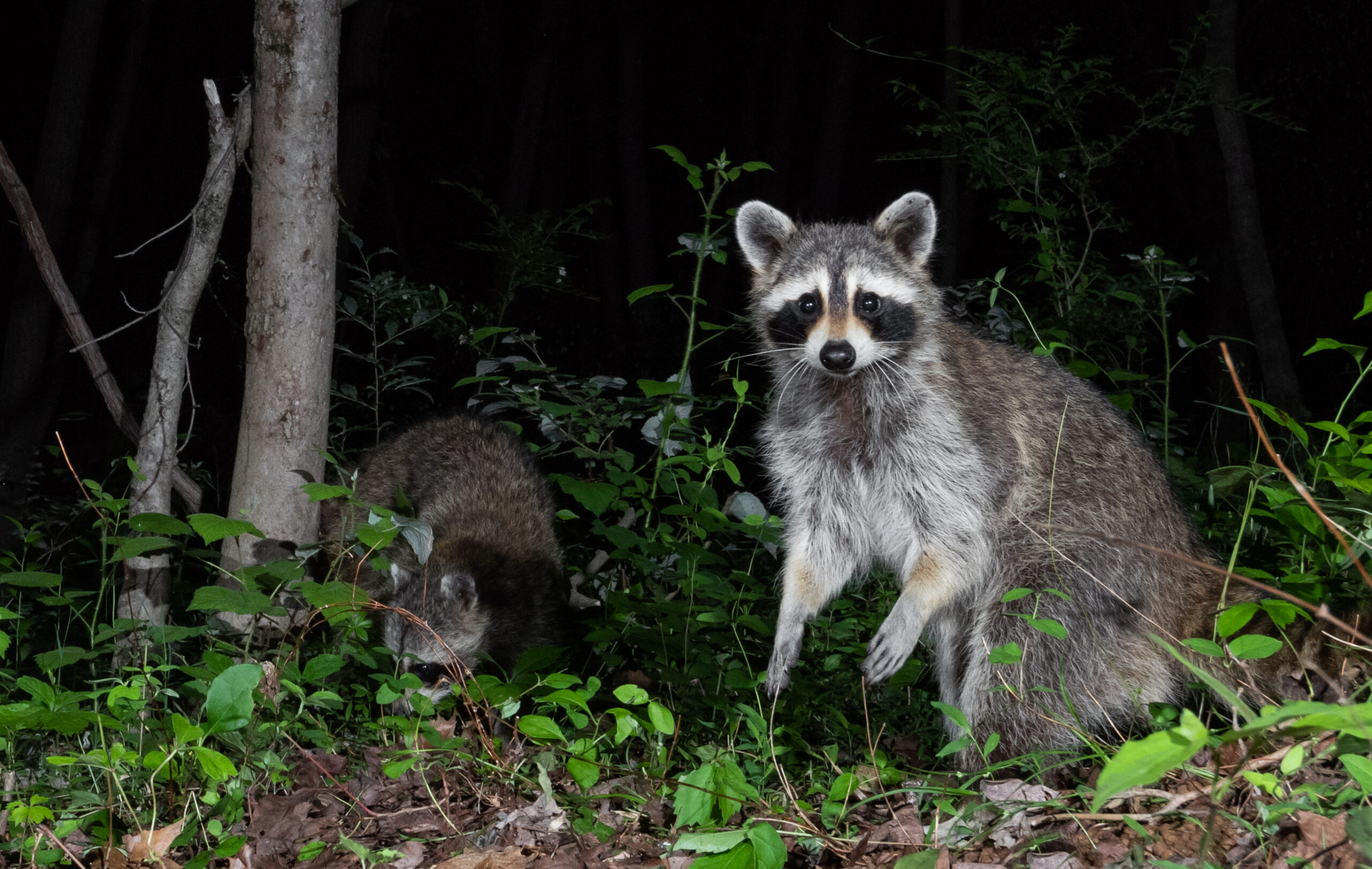
At 2 am, the sound of a latch being worked open wakes you up. You grab a flashlight and find a raccoon sitting on your picnic table, one hand inside your cooler, pulling out a zip-lock bag of lunch meat with the focus of a surgeon.
This is the most common wildlife encounter at campgrounds in America. Here’s what you need to know about the animal doing it.
Are Raccoons Dangerous to Humans?
They can be. Not in the way bears or coyotes can be, but in a way that’s uniquely problematic for campers.
Raccoons rarely attack humans unprovoked. But “rarely” comes with several asterisks. A raccoon that feels cornered, is protecting young, or has been habituated to human food can bite and scratch with enough force to require medical attention. Their jaw strength is roughly 50 pounds per square inch, and their claws are sharp enough to peel bark, open latches, and slice skin.
The real danger isn’t the bite itself. It’s what the bite carries.
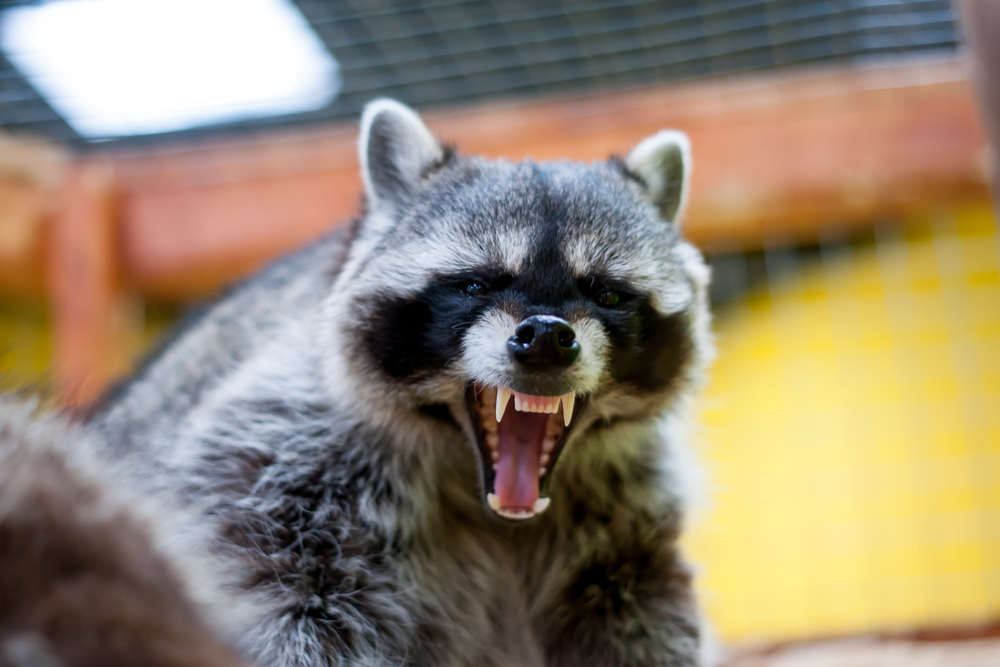
Rabies. Raccoons are a leading rabies vector in the United States, accounting for approximately 29% of all confirmed animal rabies cases. As much as any other wild animal. Nearly as many as bats (35% of cases, but bats may be under-reported due to size). More than skunks, foxes, or coyotes. The eastern U.S. has an established raccoon rabies variant that has been spreading since the 1950s.
Raccoon roundworm (Baylisascaris procyonis). Raccoon feces can contain roundworm eggs that are infectious to humans and pets. The eggs survive in soil for years. Infection is rare but serious, especially in children, and can cause neurological damage. This is why you never touch raccoon droppings and always wash hands thoroughly if you’ve been near a raccoon latrine (a communal defecation site they return to repeatedly).
Leptospirosis. A bacterial infection transmitted through raccoon urine that can contaminate water sources and soil. Symptoms resemble flu and can progress to liver and kidney damage if untreated.
The summary: a raccoon sitting on your cooler is not going to maul you. But a raccoon you handle, corner, or allow to lick your cooking surface can make you sick in ways that are genuinely dangerous.
Why Are Raccoons So Common at Campgrounds?
Because campgrounds are the perfect raccoon habitat, and we built them that way.
Raccoons need 3 things: water, trees (or structures for denning), and food diversity. Campgrounds offer all 3, plus a steady supply of high-calorie human food that requires minimal effort to obtain. A raccoon that discovers unsecured trash at a campsite has found a more reliable food source than anything the forest provides.
Raccoons are also among the most intelligent non-primate mammals in North America. Their front paws have 5 dexterous fingers with no webbing, giving them manipulative ability closer to a primate’s hand than a dog’s paw. They can open screw-top jars, unlatch cooler clips, unzip tent vestibules, and defeat most “wildlife-resistant” trash can designs within a few attempts.
Studies at the University of Wyoming found that raccoons can remember solutions to tasks for at least 3 years. Once a raccoon figures out how your cooler latch works, it knows how every identical cooler works. And it teaches its young.
This is why campground raccoon problems are persistent. You’re not dealing with a dumb animal that got lucky. You’re dealing with a problem-solver that remembers.
Raccoon Identification and Behavior
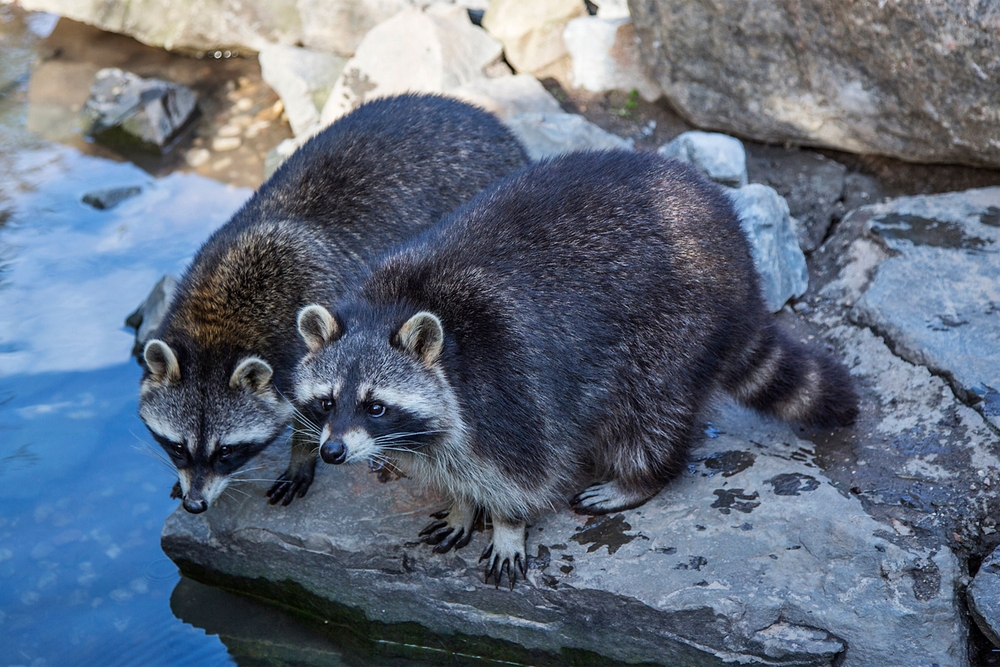
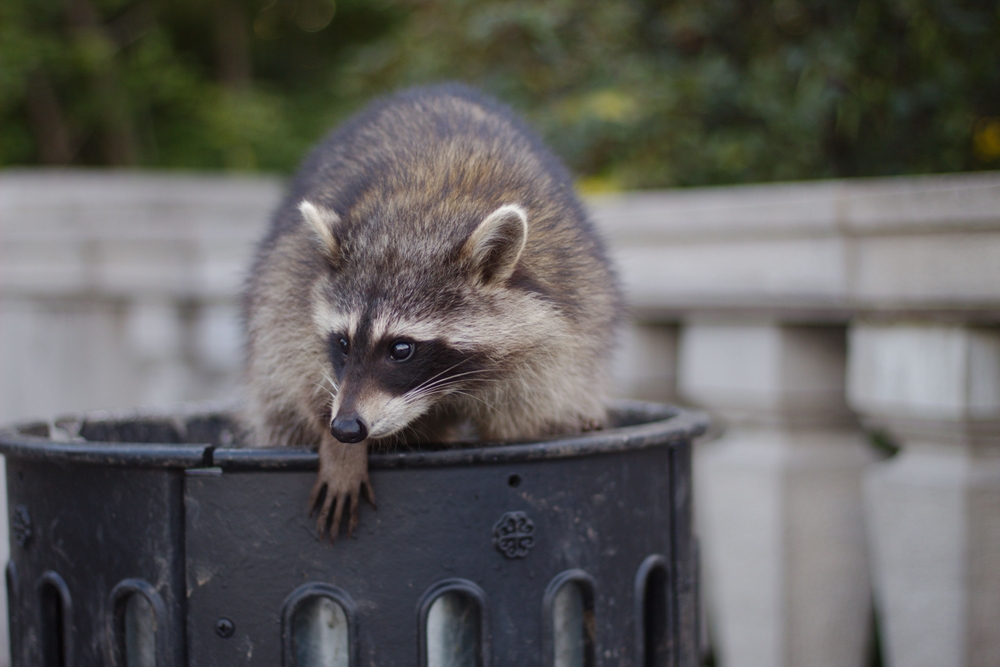
You know what a raccoon looks like. The black mask, the ringed tail, the hunched waddle. But some behavioral details matter for campground encounters.
Size: Adults weigh 10 to 35 pounds, depending on region and food availability. Northern raccoons and urban raccoons run larger. A well-fed campground raccoon can push 30 pounds.
Activity pattern: Nocturnal. Peak activity is 10 pm to 4 am. If you see a raccoon wandering around in broad daylight, that’s abnormal behavior and worth reporting.
Social structure: Females with young travel as a family group (a mother with 2 to 5 kits). Males are solitary. Unrelated males may form loose coalitions to feed at a rich site (like a campground), but they’re not cooperating, just tolerating each other.
Vocalizations: Raccoons produce over 200 distinct sounds, including chittering, growling, hissing, purring, and a scream that sounds like a small child in distress. That last one has caused more than a few panicked 911 calls from campgrounds.
Climbing: Raccoons can descend a tree headfirst. They rotate their hind feet 180 degrees to grip with the soles pointing up. They can climb anything a cat can climb, and most things a cat can’t.
What to Do If a Raccoon Visits Your Campsite
Don’t try to be friends with it. Don’t try to pet it. Don’t take a selfie with it. (All 3 happen at campgrounds more than you’d think.)
If the raccoon is rummaging through your stuff:
- Make noise from a safe distance. Clap, bang a pot, yell. Raccoons are bold but not brave. Sudden loud noise usually sends them running.
- Stomp your feet and move toward the raccoon. Look big.
- Use a flashlight beam directly in its eyes. Raccoons are sensitive to bright light at night.
- Don’t try to grab food back from a raccoon. A raccoon with food in its hands will bite the thing trying to take it.
If the raccoon doesn’t leave:
- It’s habituated. This raccoon has been fed by humans or has been raiding this campsite for weeks. It’s decided you’re not a threat.
- Escalate noise: air horn, car horn, shouting. If it still doesn’t leave, contact the campground host. Habituated raccoons are a management issue, not a you-vs-raccoon standoff.
If the raccoon is acting strangely:
Stumbling, circling, aggressive without provocation, active during daylight with no apparent reason. Report it immediately. Do not approach. A rabid raccoon is genuinely dangerous and needs to be handled by wildlife management.
Raccoon-Proofing Your Campsite
The raccoon’s intelligence makes this a hardware problem, not just a habit problem. Behavior changes aren’t enough if the raccoon can physically access your food.
Food storage that actually works:
- Bear-proof containers. They’re raccoon-proof too, and raccoons are better at opening things than most bears. If the campground has bear boxes, use them even in non-bear areas.
- Hard-sided coolers with padlocks or carabiner clips through the latch. Standard cooler latches are a 30-second puzzle for a raccoon.
- Store food inside your vehicle overnight with windows fully closed. Raccoons can reach through a 4-inch gap.
- Never leave food in a tent. The fabric is zero barrier.
Site management:
- Clean your cooking area completely before dark. Wipe the table. Wipe the grill. Pick up crumbs.
- Seal all trash in airtight bags and place in campground dumpsters before you sleep. Not next to the dumpster. Inside it.
- Wash dishes immediately. Dirty dishes in a wash basin are a neon sign.
- Pick up pet food bowls at dusk. Every night. No exceptions.
- Don’t leave shoes outside. Raccoons investigate anything.
The long game:
The reason a specific campsite has a “raccoon problem” is almost always traceable to previous campers who left food out. Every piece of food a raccoon gets from a campsite reinforces the behavior. Your food security protects every camper who comes after you.
Are Raccoons Dangerous to Pets?
Yes, and the dynamics are different than with other wildlife.
Raccoons and dogs have a specific, well-documented conflict pattern. A dog chases a raccoon. The raccoon runs toward water (if available). In water, the raccoon can climb on top of the dog’s head and push it under. This isn’t folklore. It’s a documented defensive strategy that has killed dogs.
On land, a cornered raccoon can inflict serious damage on a dog of any size. Their claws target the face and eyes. A raccoon fight can transmit rabies, distemper, and leptospirosis to your dog in a single encounter.
Are raccoons dangerous to cats? Yes, cats are at risk too. Raccoons will kill kittens and have been documented fighting adult cats over food, with both animals coming away injured.
Protection rules:
- Keep dogs leashed, especially after dark.
- Don’t let dogs investigate raccoon sounds in the brush.
- Keep cats inside.
- Make sure your pet’s rabies vaccination is current before any camping trip.
Camping with Raccoons
Raccoons are part of the campground experience. Every campground has them. The question isn’t whether they’re there; it’s whether the site is managed in a way that keeps the relationship at arm’s length.
Grand Lake O’ The Cherokees RV Resort in Grove, Oklahoma sits right on the lake with fishing off the dock and what the GM, Wendy McLean, calls “the most beautiful sunset” in the network. The walking trail and lakefront benches are perfect for evening wildlife watching, and the twilight hours when raccoons start moving are the same hours the sunset paints the lake. Guests photograph sunsets over the water more than anything else at this park. The fishing tournaments draw crowds, and tournament campsites need especially tight food management, because fish scraps are raccoon currency.
Baraboo RV Resort in Wisconsin puts you next to Devil’s Lake State Park, one of the most visited parks in the state. The resort has a dog park, game room, mini golf, skate park, and a swimming pool. All of those attractions generate foot traffic and food debris after dark, which means the raccoon management game here is about infrastructure: sealed dumpsters, clean cooking stations, and campground hosts who know the drill. The park is family-owned and minutes from Wisconsin Dells, Circus World Museum, and the [Jumping Pillow](/park/wi/baraboo/) that kids remember longer than the campfire.
Pin Oak RV Resort in Villa Ridge, Missouri features a private lake for catch-and-release fishing and hiking trails through Midwest hardwood forest, which is raccoon habitat in its purest form. Raccoons evolved in this exact kind of riparian, mixed-forest ecosystem before they ever adapted to cities and campgrounds. The lake edge and forest trails at Pin Oak are where you’re most likely to spot one at dusk if you’re paying attention.
Elkhart RV Resort in Granger, Indiana sits in the Potawatomi Zoo’s backyard (literally, it’s nearby) and in classic Midwest woods. The wooded, rustic setting and proximity to the St. Joseph River corridor makes it a natural raccoon neighborhood. The park’s proximity to the Indiana Dunes, the RV Capital of the World (Elkhart), and Notre Dame makes it a popular stop for travelers, which means steady campsite turnover and a need for consistent food security between guests.
Coconut Cove RV Resort in Wisconsin pairs a water park setting with enough forest buffer to keep the wildlife close. The mix of families, kids, pool-area snacking, and forested campsites is exactly the kind of environment where raccoon encounters happen. Good infrastructure and guest education make the difference.
Frequently Asked Questions
Can raccoons open RV doors?
They can operate lever-style door handles. If your RV has a lever handle, lock it. Round knobs are harder for them, but not impossible. The stories are real.
Do raccoons carry mange?
Yes. Raccoons can carry sarcoptic mange, which causes hair loss and skin crusting. Mange is transmissible to dogs through direct contact. A mangy raccoon looks ragged, has patchy fur, and may appear disoriented. Keep pets away.
Should I relocate a raccoon that’s living near my campsite?
Don’t attempt this yourself. Raccoon relocation is regulated in most states and often ineffective (relocated raccoons frequently return or die in unfamiliar territory). Report persistent raccoon activity to the campground host.
Are baby raccoons dangerous?
Baby raccoons are not directly dangerous, but approaching them is. The mother is nearby, she’s watching, and she will defend her young aggressively. If you find baby raccoons, leave the area and let the campground host know.
What diseases do raccoons carry?
Rabies (leading wild carrier in the U.S.), raccoon roundworm (Baylisascaris), leptospirosis, distemper, and giardia. This is why you never touch a raccoon, dead or alive, and always wash hands if you’ve handled anything a raccoon contacted.
Find Your Park
Raccoons and campgrounds have been figuring each other out for a century. The raccoons keep getting smarter. The cooler latches keep getting better. That arms race isn’t ending anytime soon, and honestly, the raccoons are winning on points. Check availability across the RJourney network and book a site where the dumpsters are bear-rated and the raccoons have to work for it.