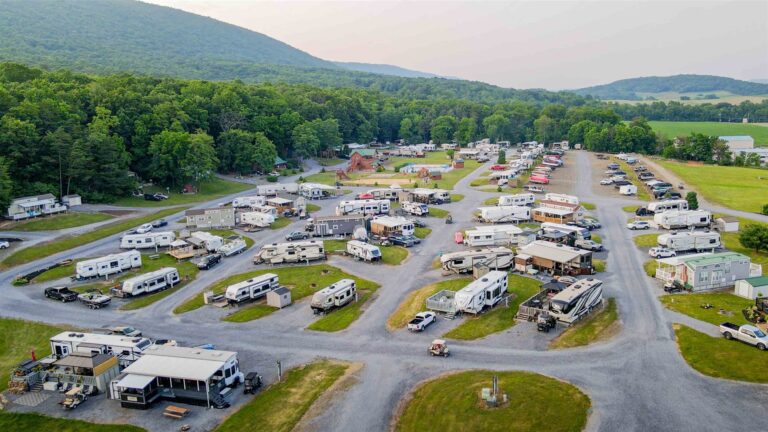
Here is how to keep RV pipes from freezing: you need three things working together: heat reaching the lines, insulation slowing heat loss, and a heated or insulated path for the water coming in from outside. Skip any one and the cheapest part of your water system, the hose, is usually the first thing to quit. Here is how each layer works, where the danger line sits, and what to do when a hard cold snap hits while you are living in the rig.
This guide covers RVs in use during cold weather. If you are shutting a rig down for the season instead, read how to winterize a camper for the drain-and-antifreeze process.
What temperature do RV pipes start to freeze?
Water freezes at 32°F, but pipes do not freeze the moment the thermometer dips below it. Freezing takes time. A good working rule: when the overnight low sits in the upper 20s for a few hours, exposed lines and hoses are at risk. When lows drop to the teens or below, or stay under 32°F through the day, treat every unprotected water line as a problem waiting to happen.
Wind speeds up heat loss from anything exposed. Wind chill itself does not cool a pipe below the actual air temperature, but moving air strips heat from the hose, the city-water inlet, and the underbelly faster than still air does. The parts of an RV that freeze first are the ones outside the heated envelope: the water hose, the spigot connection, the inlet fitting, and any line running along the floor near the exterior wall.
Start outside: the water hose and connection
A standard garden hose is the weakest link. Water sits in it, it has no heat source, and it lies on cold ground. The fix is a heated drinking-water hose, which has a thermostat-controlled heating element built in and plugs into a normal outlet. The thermostat only draws power when the hose gets near freezing, so running costs stay modest.
- Choose a heated hose rated for drinking water. Look for a hose labeled for potable use and for the low temperatures you expect.
- Wrap the connection too. The spigot and the RV inlet are metal and lose heat fast. Foam covers or heat tape plus insulation protect the spots the hose heating does not reach.
- Use a short run. Shorter hoses have less water exposed to the cold and cost less to heat.
- Disconnect on the worst nights. When the forecast calls for a deep freeze, filling the fresh tank and running on the onboard pump takes the outside hose out of the equation.
Inside the rig: keep warm air reaching the plumbing
Most RV plumbing runs through the floor, the wall cavities, and the bays under the beds and sinks. Furnace heat reaches some of it and misses the rest.
- Open cabinet doors under kitchen and bathroom sinks overnight so warm cabin air reaches the lines on exterior walls.
- Set the furnace to hold 55°F or higher overnight, even if you would sleep fine at 50°F. The plumbing needs the heat more than you do.
- Drip a faucet on the coldest nights. Moving water is harder to freeze, and a slow drip also relieves pressure that builds as ice forms.
- Check your bay heat. Many four-season rigs route furnace ducts into the underbelly and basement bays. Confirm yours does before you count on it. If your bays are unheated, a small thermostatically controlled heater or heat pad, used as the manufacturer directs, can fill the gap.
- Skip the unattended space heater. Fire risk rises quickly when a heater runs where nobody is watching it.
Holding tanks and drain valves
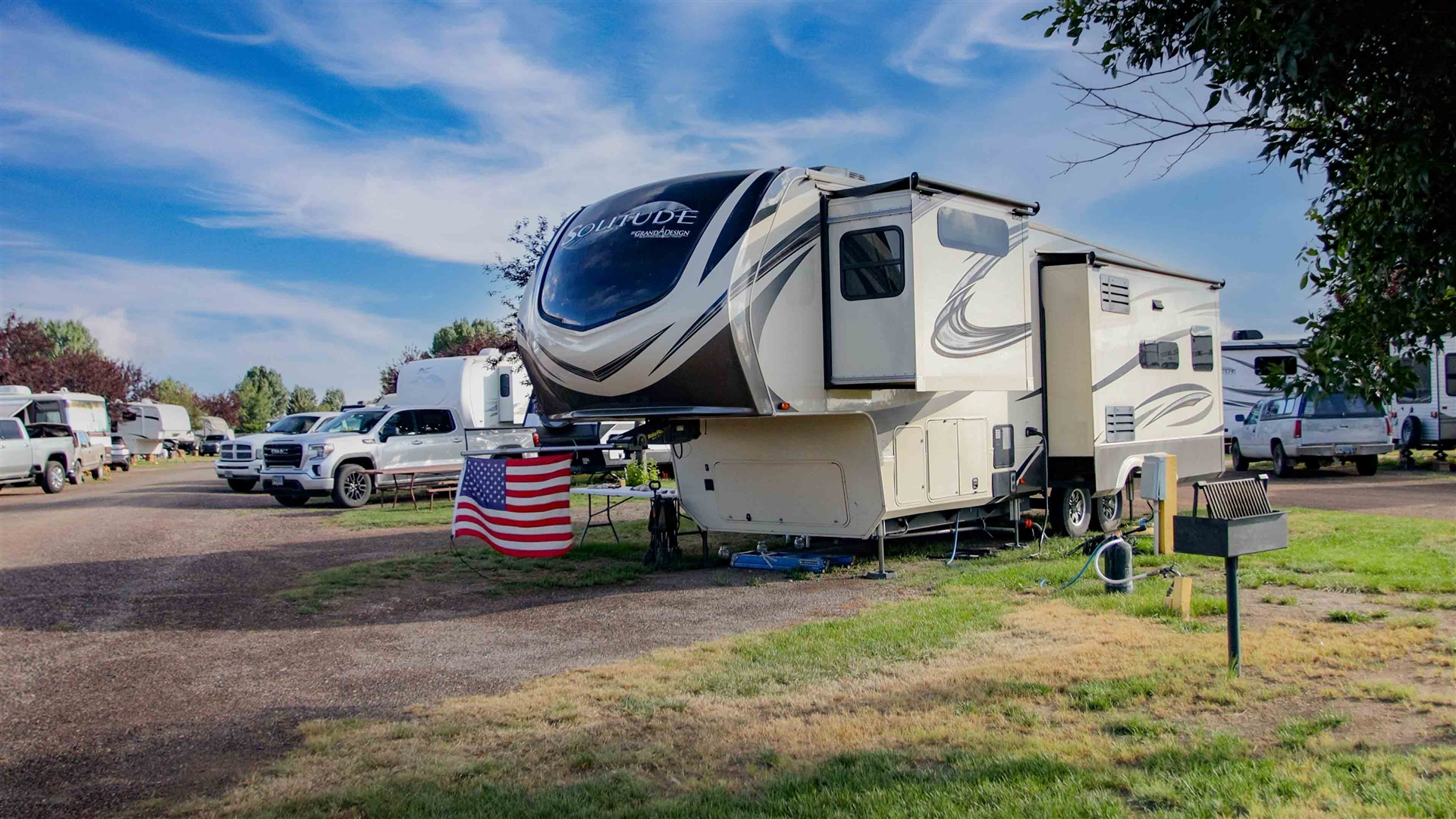
Fresh water in the tank, and the gray and black tanks underneath, can freeze too. Tank heater pads stick to the bottom of a tank and run on a thermostat. If your rig has them, test them before the first freeze rather than after. Keep the gray and black valves closed until the tanks are well filled, then dump together. A nearly empty tank with a frozen valve is a hard repair job.
Parks often shut dump stations in deep winter and ask long-term guests to use a sewer connection at the site instead. Ask the front desk how winter sewer service works before you commit to a month.
Skirting and underbelly insulation
Skirting closes the gap under the rig so wind stops flowing beneath the floor. That trapped air slows heat loss to the plumbing and tanks. Rigid foam board, vinyl panels, and insulated panels are the common choices. Our guide to RV skirting for winter breaks down cost and materials, and it will help you decide whether your climate justifies it.
Where to stay when the temperatures drop
A site with full hookups and an office that understands cold-weather plumbing makes everything above easier. Three RJourney parks handle monthly winter guests, each with its own conditions.
Laramie RV Resort, Wyoming
Laramie RV Resort runs full-hookup sites with 20, 30, and 50-amp service on concrete pads, and it operates year-round. Laramie sits at high elevation and gets real winters, so a heated hose and heat tape on the connection are standard gear here. Monthly rates start at $575 as listed on the park page in October 2026. The rec room opens in winter on request during office hours.
Cheyenne RV Resort, Wyoming
Cheyenne RV Resort in Cheyenne, WY takes monthly guests, with rates starting at $550 per the park page in October 2026. Call the office to confirm winter water and sewer service for your dates before you book. Winter operations vary by season, so the office is the source of truth.
Elkhart RV Resort, Granger, Indiana
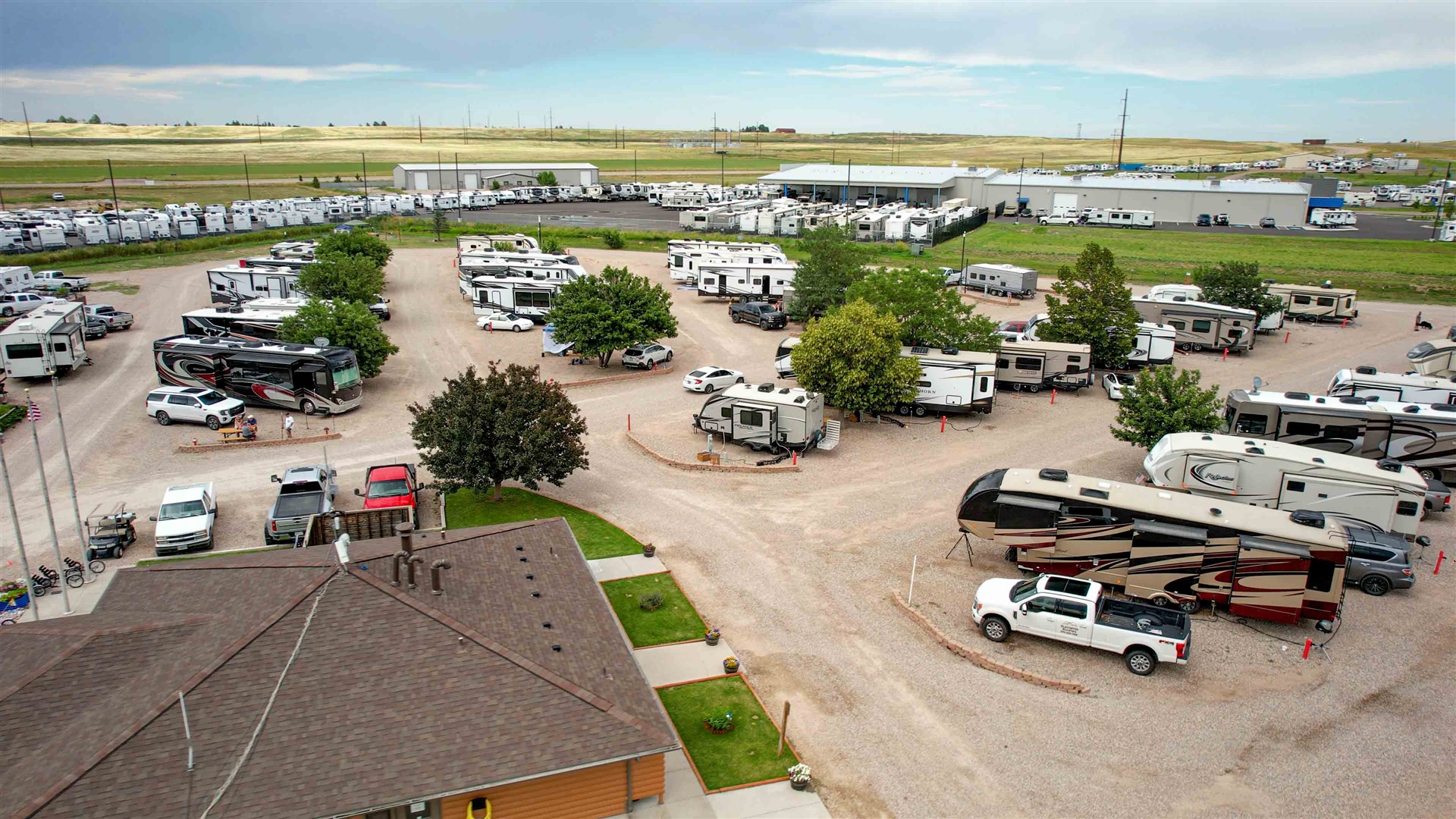
Elkhart RV Resort in Granger, IN, near South Bend, lists monthly rates from $630 as of October 2026. The park calendar shows a seasonal water shut-off on November 1, 2026 for winterization. If you want to stay past that date, ask the office what water and sewer options exist for winter guests. Plan to run the onboard tank instead of a hose until you hear back.
To compare monthly rates and utilities across parks, see long-term RV parks. For daily routines once you settle in, read winter RV living.
Quick cold-snap checklist
- Check the 48-hour low before sunset and decide: heated hose, or fill the tank and disconnect.
- Open sink cabinets, set the furnace to 55°F or higher, and drip one faucet.
- Confirm hose heater, tank pads, and any heat tape are plugged in and warm.
- Keep the gray valve closed and watch tank levels.
- Walk the outside of the rig at dawn and touch the hose and inlet. Cold and stiff means act now.
FAQ
Will a heated water hose keep my whole RV from freezing?
It protects the water supply path from the spigot to the inlet. It does nothing for lines inside the rig or for your tanks, so pair it with warm cabin air and, if your rig has them, tank heaters.
Is it safe to leave a faucet dripping overnight?
Yes, with a gray tank that has room. Plan the drip so it does not overfill the tank before morning.
Can I use RV antifreeze in my plumbing while living in the rig?
Use RV-specific antifreeze for storage winterizing only. For daily use, keep the lines drinkable and warm instead.
Last verified October 6, 2026. Rates and winter operations change, so confirm with each park before you book.