Are mountain lions dangerous? Technically yes, and practically almost never. A mountain lion is an ambush predator that takes down elk and deer, so it could hurt you. It also avoids people, and attacks on humans are rare enough that fatal ones across all of North America run to a few dozen over more than a century.
That context matters, because the other half of the answer is that lions are unpredictable. Wildlife agencies still treat every encounter as serious. This guide covers where lions live in the West, what to do in the first 10 seconds of a sighting, and how to set up a campsite so the odds stay where they belong.
Are Mountain Lions Dangerous to Campers?
Most campers never see one. Lions are secretive, mostly active at dawn, dusk and overnight, and they’d rather slip away than meet you. Colorado Parks and Wildlife describes attacks on people as rare, and says many involve young lions that haven’t learned what to hunt yet.
Risk isn’t spread evenly across a campground. The National Park Service notes that lions seem especially drawn to children, and small pets look like the right size of meal. Adults standing upright in a group are the least likely targets. So the plan is simple: keep kids close, keep dogs leashed, and stay together.
Mountain lion, cougar, puma and panther are all the same animal (Puma concolor). Different regions, different names.
Where Mountain Lions Live in the West
Lions follow deer. Wherever mule deer winter, lions are somewhere nearby: canyon rimrock, juniper and pinyon slopes, river corridors, and the timbered edges of mountain ranges. That describes much of the Intermountain West.
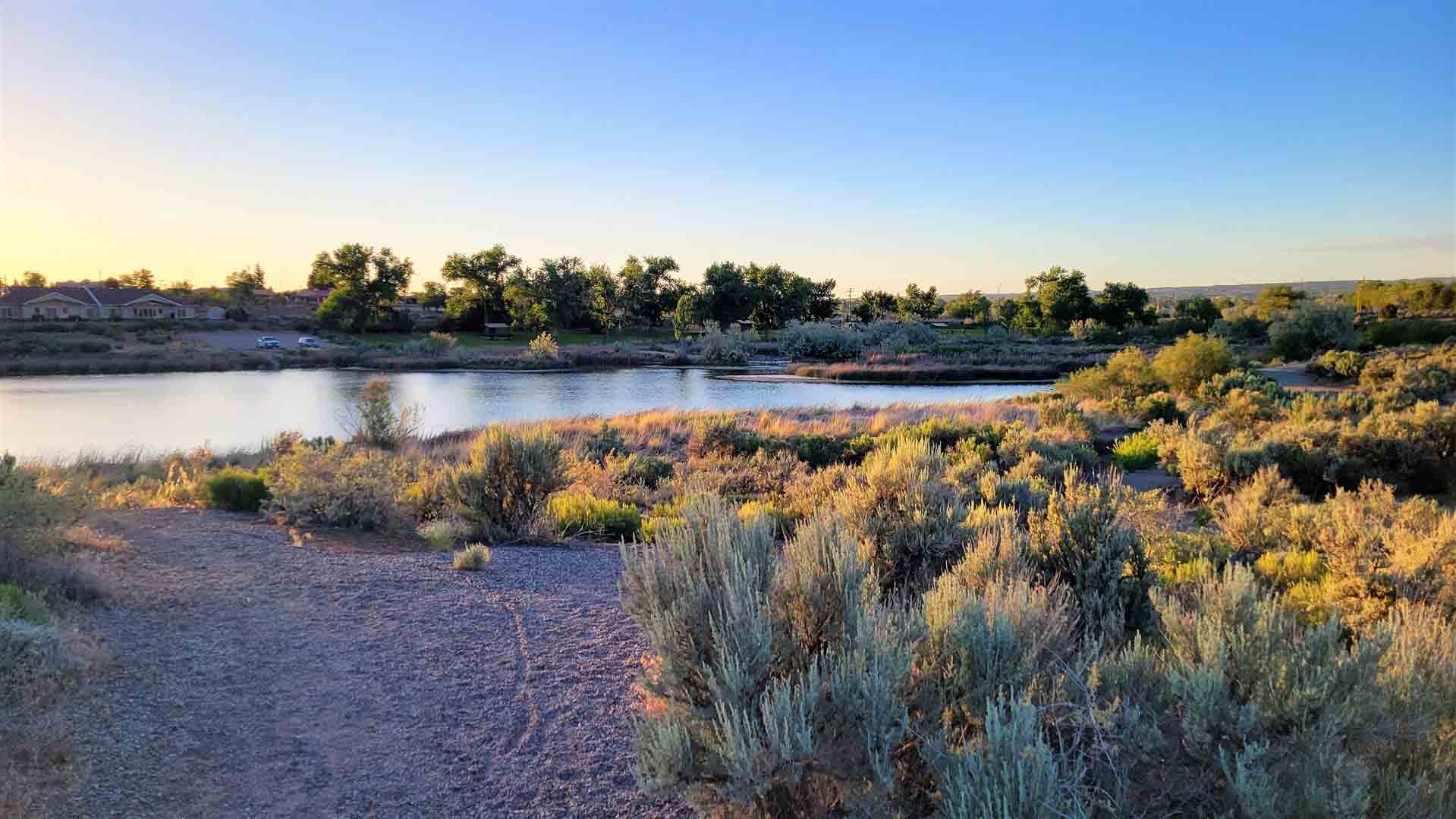
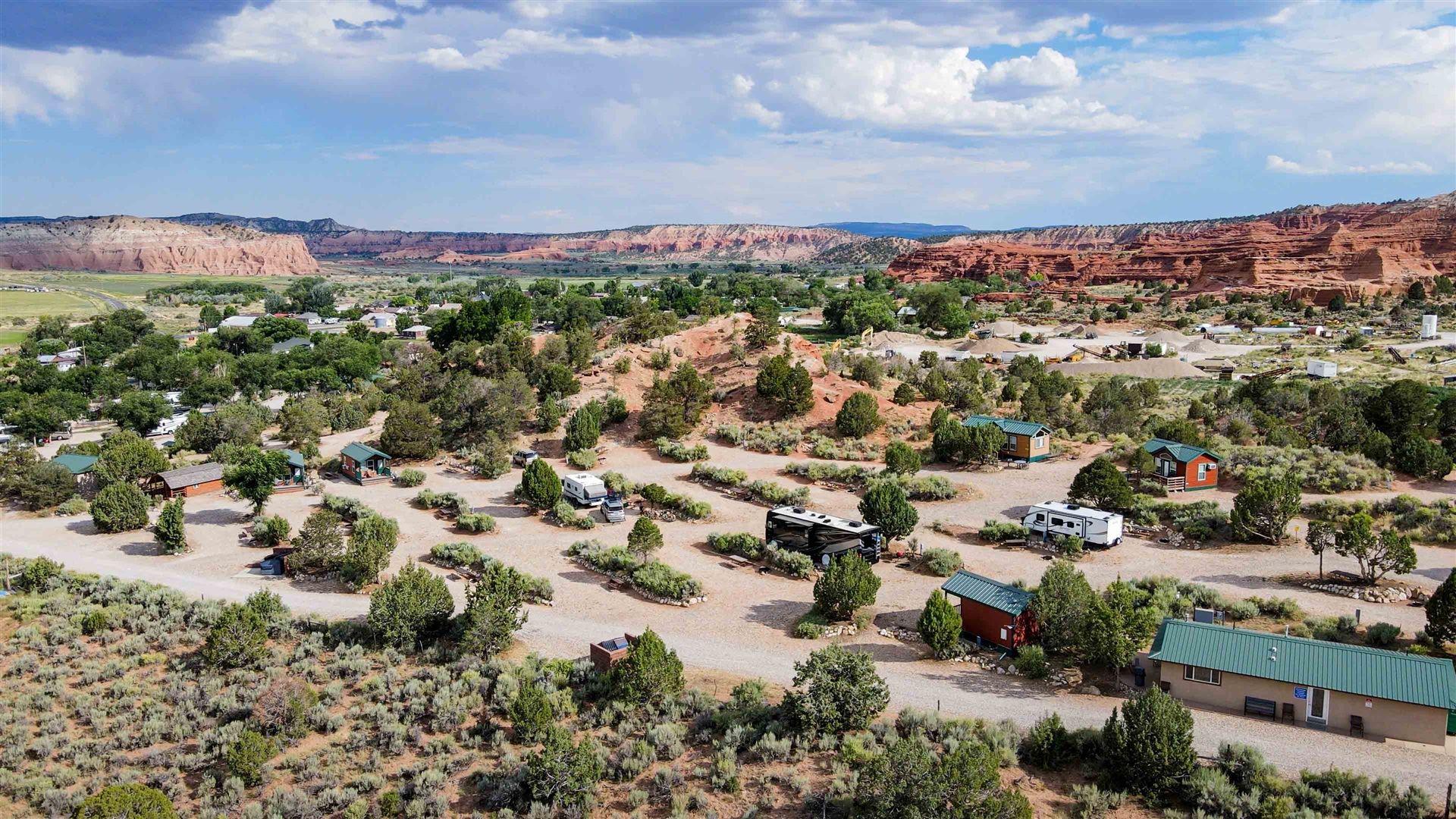
RJourney parks in lion country sit in states with established populations. Utah has Bryce Canyon RV Resort in Cannonville, Dixie Forest RV Resort in Panguitch and Cedar City RV Resort. Colorado has Cortez RV Resort. Wyoming has Laramie RV Resort, and Oregon has Klamath Falls RV Resort.
A sighting near any campground is possible and still unusual. Ask the front desk what wildlife staff have seen lately, and read any posted notices at check-in.
What to Do If You See a Mountain Lion
The goal is to convince the animal that you aren’t prey and that you might be dangerous. The National Park Service guidance boils down to these steps:
- Stop and face it. Make eye contact. Give the lion an exit route so it doesn’t feel cornered.
- Stay upright. Crouching or bending over makes you look like 4-legged prey. That includes picking up a child, so lift them without bending at the waist.
- Make yourself big. Raise your arms, open your jacket, and speak in a firm, loud voice. Throw stones or branches if you can do it without turning away.
- Back away slowly. Keep facing the animal. Running can trigger its chase instinct, and you can’t outrun a cat that sprints.
- Fight back if it attacks. Aim for the face and eyes, and use whatever you have: rocks, sticks, a pack, bare hands. Stay on your feet if you can.
Report every sighting to a ranger or the state wildlife agency. They track lion movement, and your report helps other campers.
Mountain Lion Safety at the Campsite
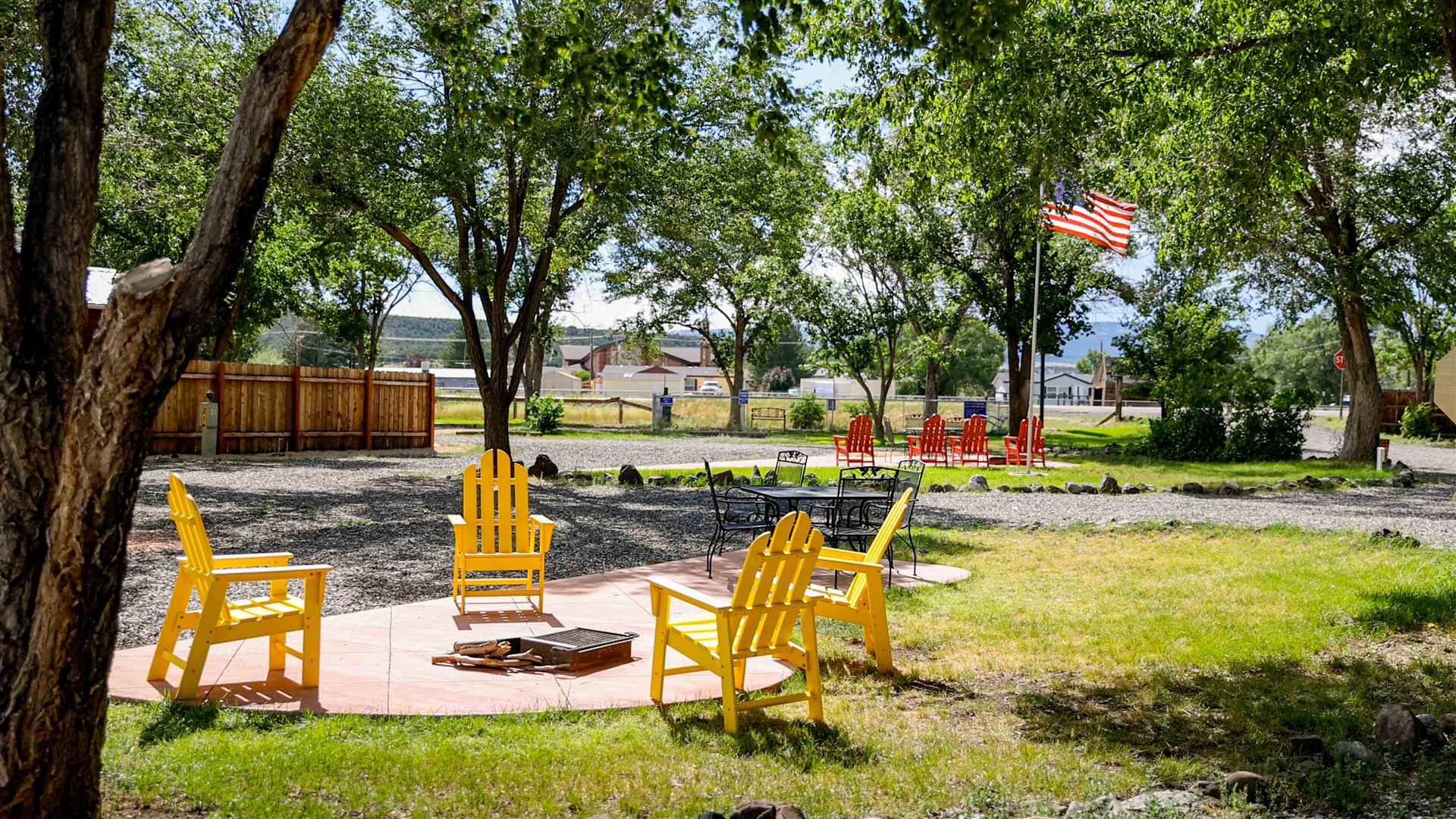
- Respect dawn and dusk. Keep kids within sight during those hours, and keep them out of heavy brush at the campsite edge.
- Leash every dog. Keep dogs close at night and never leave a pet tied outside unattended.
- Skip the solo walk after dark. A headlamp and a second person cost almost nothing.
- Store food and pet food inside. Food draws the raccoons, rabbits and deer that lions follow.
- Avoid carcasses. A lion may return to a kill over several days. If you spot one, leave the area and tell a ranger.
- Pick open ground. When you have a choice of site, take the one with a clear sightline behind it instead of a wall of brush.
Mountain Lion Safety on the Trail
Hike in a group. Talk. Keep dogs on a short leash, since a loose dog that charges into brush can bring a lion back toward you. Keep children beside you, never ahead around blind corners.
Runners and mountain bikers deserve a separate warning. Fast, steady movement can look like fleeing prey. Where lion sightings have been posted, think twice about solo dawn and dusk runs, and keep earbuds out so you can hear what’s around you.
Mountain Lion or Bobcat? How to Tell
A bobcat is about twice the size of a house cat. A mountain lion is far larger, and the tail settles most debates: a lion’s tail is long and thick, roughly a third of its body length, while a bobcat has a short, bobbed tail of a few inches. Lions are an even tawny tan. Bobcats are spotted, with tufted ears and a ruff of fur along the cheeks.
Bobcats are the cat you’re far more likely to see around campgrounds, and they’re a much smaller concern. Our guide to bobcats and camper safety covers that side.
Quick Answers
Are mountain lions dangerous to dogs?
Yes. Dogs are at more risk than adults, especially small ones and any dog off leash at dusk or dawn. Leash them and keep them inside at night.
Do mountain lions attack at night?
Lions are active at night, but attacks on campers are rare. Sleeping inside a tent or RV with pets and food stowed keeps your risk low.
What if a mountain lion follows me?
Stay calm, keep facing it, and keep backing away slowly while you stay loud and big. Don’t turn and run.
Plan the Trip Around the Country, Not the Cat
Lion country is also some of the best camping in the West, and staying alert costs you nothing. Check availability at Bryce Canyon RV Resort or Dixie Forest RV Resort for the Utah side, or browse the complete wildlife safety hub for every animal you might meet on the way.
Safety guidance adapted from the National Park Service and Colorado Parks and Wildlife. Last verified October 13, 2026.