The best time to visit Bryce Canyon is late September through mid-October. You get 70-degree afternoons, thinning crowds, and the last few weeks of the shuttle season before the park quiets down for winter.
But if you’re pulling a rig longer than 23 feet, the answer shifts. Bryce restricts oversized vehicles from parking at nearly every viewpoint in the main amphitheater while the shuttle runs. That single rule reshapes the whole calendar, and most month-by-month guides skip it entirely.
Here’s the year, honestly.
Bryce Canyon Weather by Month
Bryce sits between 8,000 and 9,000 feet. It is the coldest of Utah’s Mighty 5 by a wide margin, and people who plan around Zion or Moab weather get caught out. From October to May, temperatures drop below freezing nearly every night.
Historic averages from the National Park Service:
| Month | Avg High | Avg Low | Normal Snow |
|---|---|---|---|
| January | 37°F | 15°F | 17″ |
| February | 38°F | 17°F | 18″ |
| March | 45°F | 23°F | 17″ |
| April | 54°F | 29°F | 8″ |
| May | 64°F | 37°F | 2″ |
| June | 75°F | 45°F | 0.1″ |
| July | 80°F | 53°F | 0″ |
| August | 77°F | 50°F | 0″ |
| September | 70°F | 42°F | 0.1″ |
| October | 58°F | 32°F | 3″ |
| November | 45°F | 23°F | 10″ |
| December | 36°F | 15°F | 14″ |
Two numbers worth staring at. March averages 17 inches of snow, which surprises people who booked a "spring" trip. And July and August each average 11 to 12 thunderstorm days, the monsoon season, which means brief violent afternoon storms and real lightning risk on exposed rim trails.
The 23-Foot Rule That Reshapes the Calendar
This is the part that matters most if you’re driving anything bigger than a van.
During shuttle season, typically mid-April through mid-October, the NPS restricts vehicles 23 feet and longer from parking at:
- The Visitor Center
- Sunrise Point
- Bryce Lodge (unless you’re a lodging guest)
- Sunset Point
- Inspiration Point
- Bryce Point
- Paria View (restricted year-round, the lot is just too small)
That’s the entire Bryce Amphitheater, the first 3 miles of park road, and the reason anybody comes here.
Where you can still park a big rig during shuttle season: the Shuttle Station in Bryce Canyon City, the additional Visitor Center lot (first left past the Visitor Center), your own site if you’re staying in a park campground, and every viewpoint along the Southern Scenic Drive from Swamp Canyon down to Rainbow Point.
So the workable move in summer is simple. Leave the rig at your park, drive the tow vehicle or ride the free shuttle in. It works fine. It just needs to be the plan before you arrive, rather than a discovery you make at the Sunset Point turn-in with 30 feet behind you and nowhere to go.
And from roughly mid-October to mid-April, the restriction lifts along with the shuttle. You can drive to the viewpoints. That is a real, underrated argument for an off-season Bryce trip.
Spring: March Through May
March is winter wearing a spring nametag. 17 inches of average snow, highs in the mid-40s, and storms that close roads. April warms up (54°F highs) and the shuttle starts, but 8 inches of average snow still lands and nights sit below freezing.
May is the first genuinely comfortable month. Highs near 64°F, snow mostly done, wildflowers starting on the plateau, crowds still building rather than peaked. If you want spring, take the second half of May.
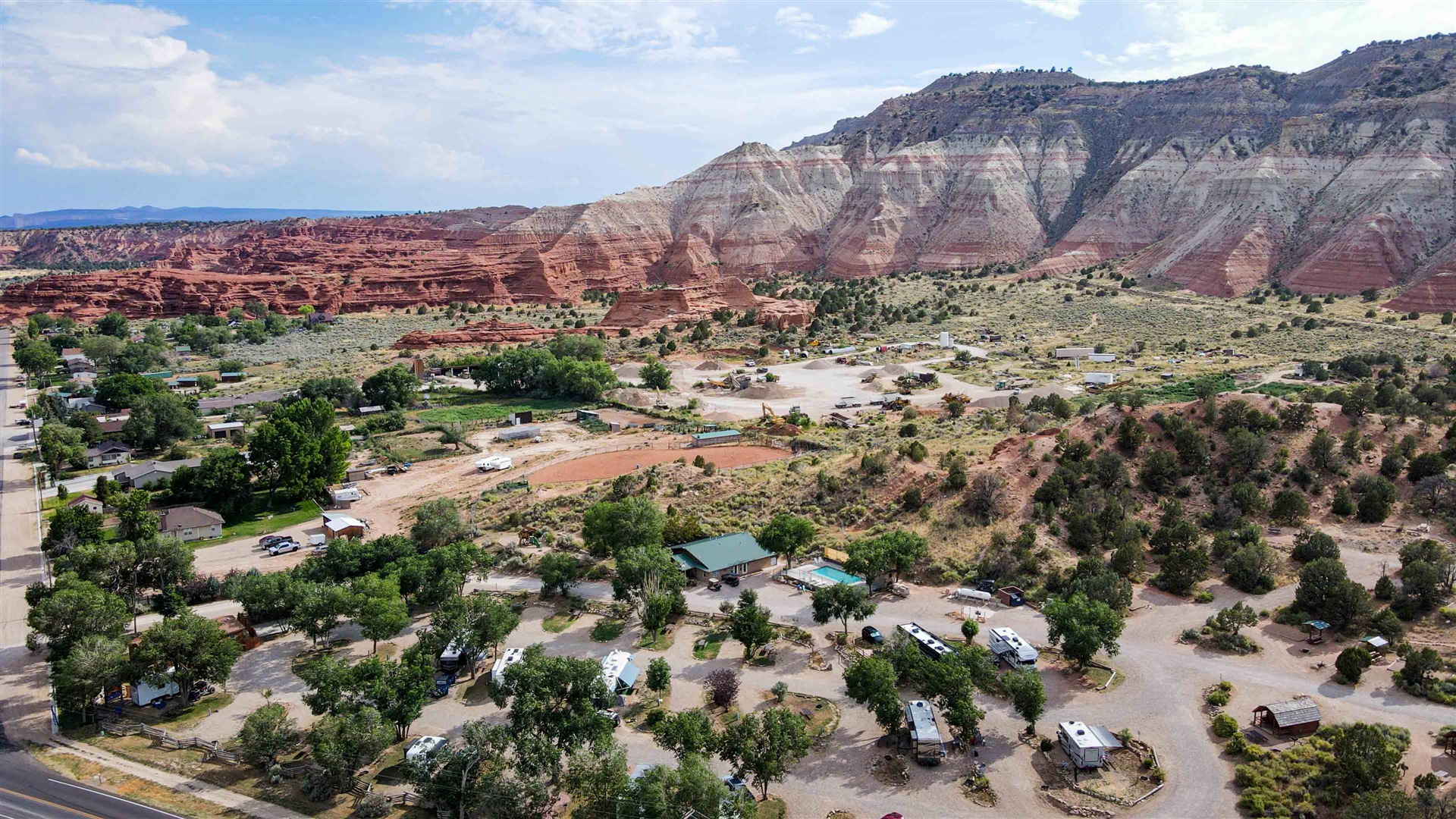
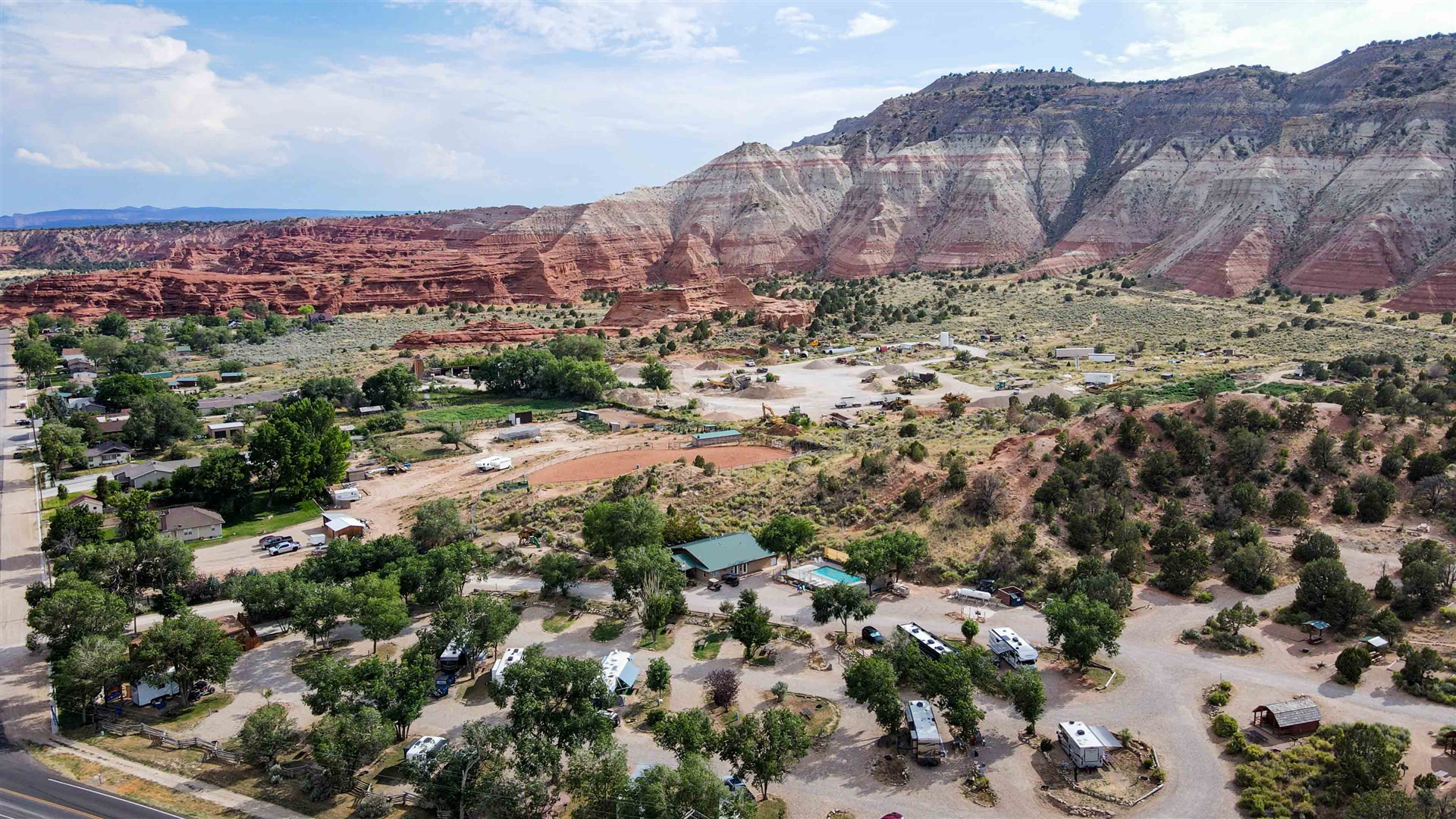
Hookups matter more than usual in shoulder season, because you will want heat at night. Bryce Canyon RV Resort in Cannonville is the closest option, about 25 minutes from the park entrance, with full hookups and pull-throughs sized for big rigs.
Summer: June Through August
Summer is the busiest stretch. More than half of Bryce’s annual visitors arrive June through September, and the park logged 1,967,367 recreation visits in 2025.
June is the sweet spot inside summer. Highs in the mid-70s, dry, long light, and the monsoon hasn’t started. July and August bring 80°F afternoons (pleasant, at this elevation) and daily thunderstorm risk. Plan hikes for the morning. The NPS is blunt about it: when thunder roars, go indoors.
Nights stay cool all summer. July lows average 53°F, which means the hoodoos are comfortable at 6 a.m. and you’ll want a blanket at 10 p.m.
Summer is also when the 23-foot rule bites hardest, and when the shuttle is genuinely the better way in.
Fall: September Through November
This is the answer for most people.
September holds summer’s warmth (70°F highs) and drops the monsoon along with a chunk of the crowds. Early October is better still: 58°F highs, gold aspens on the plateau, and the shuttle winding down. The tradeoff is that October snowstorms happen. The NPS says so plainly. Pack for both.
November hands the park back to the quiet. Highs in the mid-40s, 10 inches of average snow, nights in the 20s. Very few people. Very good light.
If you want one recommendation with no hedging: the last week of September through the second week of October.
Bryce Canyon in Winter
Bryce in winter is the version most visitors never see, and it’s arguably the best-looking one. Red hoodoos with snow caked on top, against a hard blue sky. December through February is the coldest and snowiest stretch, with highs in the upper 30s and lows around 15°F.
What winter buys you:
- Almost no crowds
- No shuttle, which means no oversized parking restriction (drive to the viewpoints yourself)
- The clearest, longest nights of the year. Bryce is a certified Dark Sky Park, and we wrote a whole night-sky guide on it
- Snowshoeing and cross-country skiing along the rim
What it costs you: trails below the rim get icy and often need traction devices, roads can close during storms, and RVing at 8,000 feet in January is a genuinely cold-weather-camping project (tank heaters, skirting, the whole kit).
One practical note. Winter availability at high-elevation parks moves around. Call ahead before you commit to a December stay rather than assuming the gate’s open.
Crowds, Fees, and the Small Print
- Entrance: $35 per private vehicle, good for 7 days. An America the Beautiful pass ($80) pays for itself across a Mighty 5 trip.
- Nonresident fee: As of 2026, non-US residents 16 and over pay an additional $100 per person unless they hold an Annual or America the Beautiful pass.
- Cashless: The park does not take cash. Card only.
- Free entrance days in 2026: Feb 16, May 25, June 14, July 3 to 5, Aug 25, Sept 17, Oct 27, and Nov 11. Free means crowded. If you are chasing quiet, avoid these.
Where to Base the Rig
Two RJourney parks sit within easy reach, and which one you pick depends on your route.
Bryce Canyon RV Resort is at 215 Red Rock Drive, Cannonville, UT 84718, roughly 25 minutes from the park entrance and the closest we have got. Full hookups, cabins if you would rather skip the setup, and a pool for the summer months. (435) 523-4109.
Dixie Forest RV Resort is at 555 S Main St, Panguitch, UT 84759, about 30 minutes out on the other side and a useful anchor if you are coming down from Cedar City or heading toward Zion. (435) 772-9633.
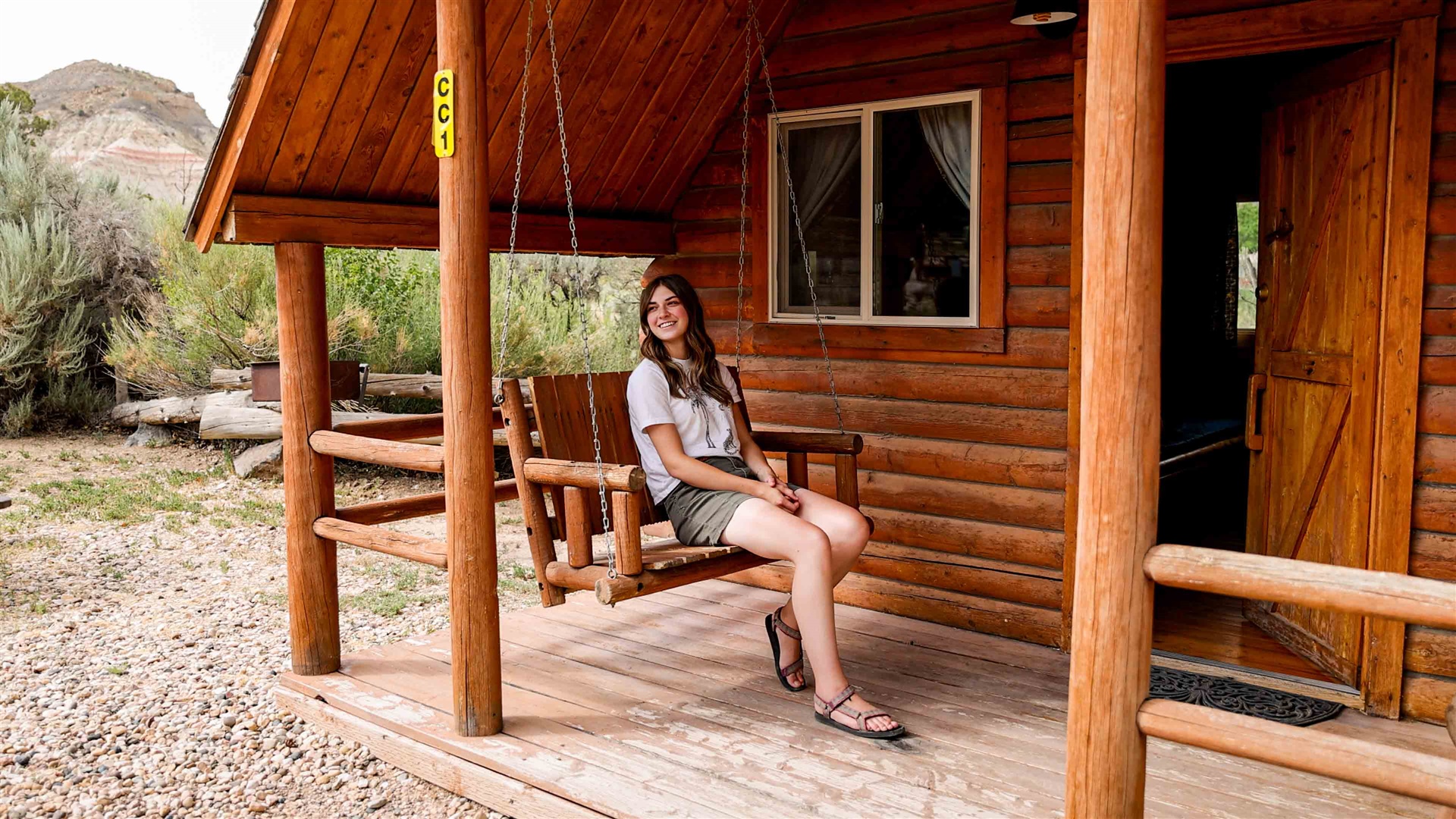
Both put you close enough to make the sunrise run at Bryce Point without a pre-dawn epic, which is the entire point of basing an RV near a national park.
If Bryce is one stop on a bigger loop, the 14-day Mighty 5 itinerary and the Grand Circle route both run through here. For the wider state picture, see Utah weather by season and the best time to visit Utah’s national parks.
Check availability at Bryce Canyon RV Resort. Fall weekends fill first.