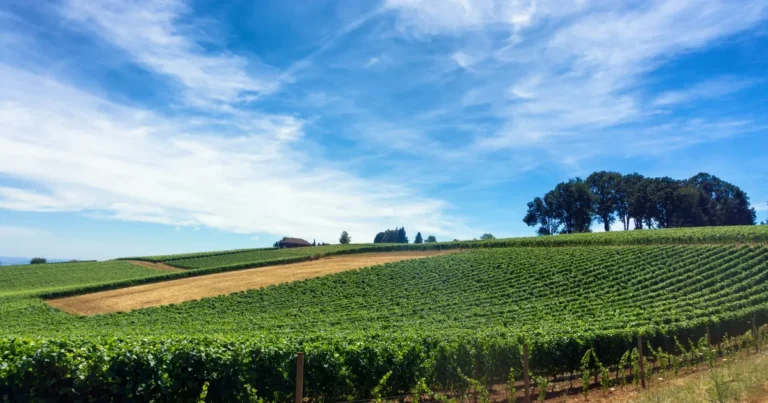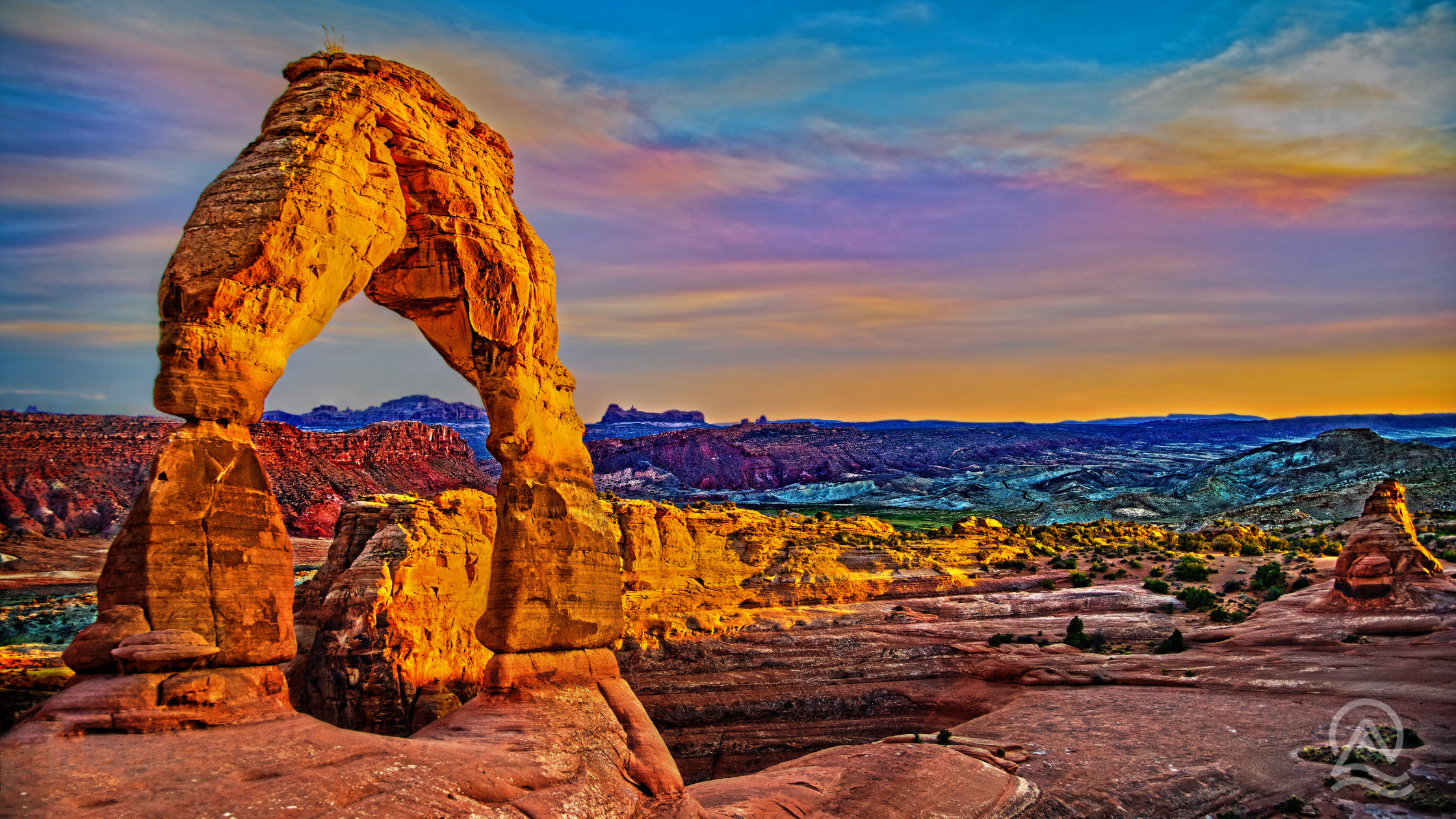
When you plan RV camping in Utah, elevation matters more than latitude. Two campsites 90 minutes apart can sit 3,000 feet apart in altitude, and that gap decides whether you are running the AC or hunting for a second blanket in July. Get the elevation right and the season falls into place.
This guide breaks Utah down season by season, with the practical stuff RVers actually need: when the red rock south is comfortable, when the northern mountains open up, when the monsoon rolls in, and where to plug in across the state. RJourney runs 6 parks in Utah, spread from the Bryce Canyon high country to the Wasatch Back, so we will anchor each season to real places you can book.
How Utah’s Elevation Shapes the Weather
Utah splits into 2 weather stories. Southern Utah is high desert: red rock, slot canyons, and big temperature swings between day and night. Northern Utah is mountain country: the Wasatch and Uinta ranges, deep snow in winter, and cool green summers.
Here is the rule of thumb that keeps you comfortable. Air cools roughly 3 to 5 degrees for every 1,000 feet you climb. Cedar City sits near 5,800 feet. Panguitch and the Bryce Canyon area run 6,600 to 7,600 feet. The Kamas area, up in the Uintas, runs about 6,500 to 6,900 feet. So a 95-degree afternoon in the valley can be a pleasant 78 up at a mountain park. Read the elevation before you read the forecast.
Spring RV Camping in Utah (March to May)
Spring is the shoulder season that rewards flexibility. Southern Utah warms first. By April, the red rock around Cedar City and Bryce is comfortable for hiking during the day, though nights still dip near freezing at elevation. Desert wildflowers show up, and the crowds have not.
The catch is variability. A 70-degree afternoon can flip to a spring snow squall at 7,000 feet, especially in March and early April. Pack layers and expect your water hose to freeze overnight if you are camped high. Northern parks in the Wasatch and Uintas are still shaking off winter through April, so if you want green and warm early, point the rig south.
Best spring base: the southern red rock parks near Cedar City and Bryce Canyon. You get the parks nearly to yourself and mild days once April settles in.
Summer RV Camping in Utah (June to August)
Summer is when elevation earns its keep. The low desert around St. George bakes past 100 degrees, but almost every RJourney park in Utah sits high enough to stay livable. Bryce Canyon’s rim runs 20 to 25 degrees cooler than the valleys below it. The high country up in Kamas can feel like a different state entirely.
The thing to plan around is the monsoon. From mid-July into August, afternoon thunderstorms build fast over southern Utah. They can drop heavy rain in minutes and send flash floods roaring through slot canyons and dry washes miles from where the rain fell. If you are exploring the narrows near Zion or any canyon country, check the flash flood outlook that morning and be off the canyon floors by early afternoon. Storms usually clear by evening for a good sunset.
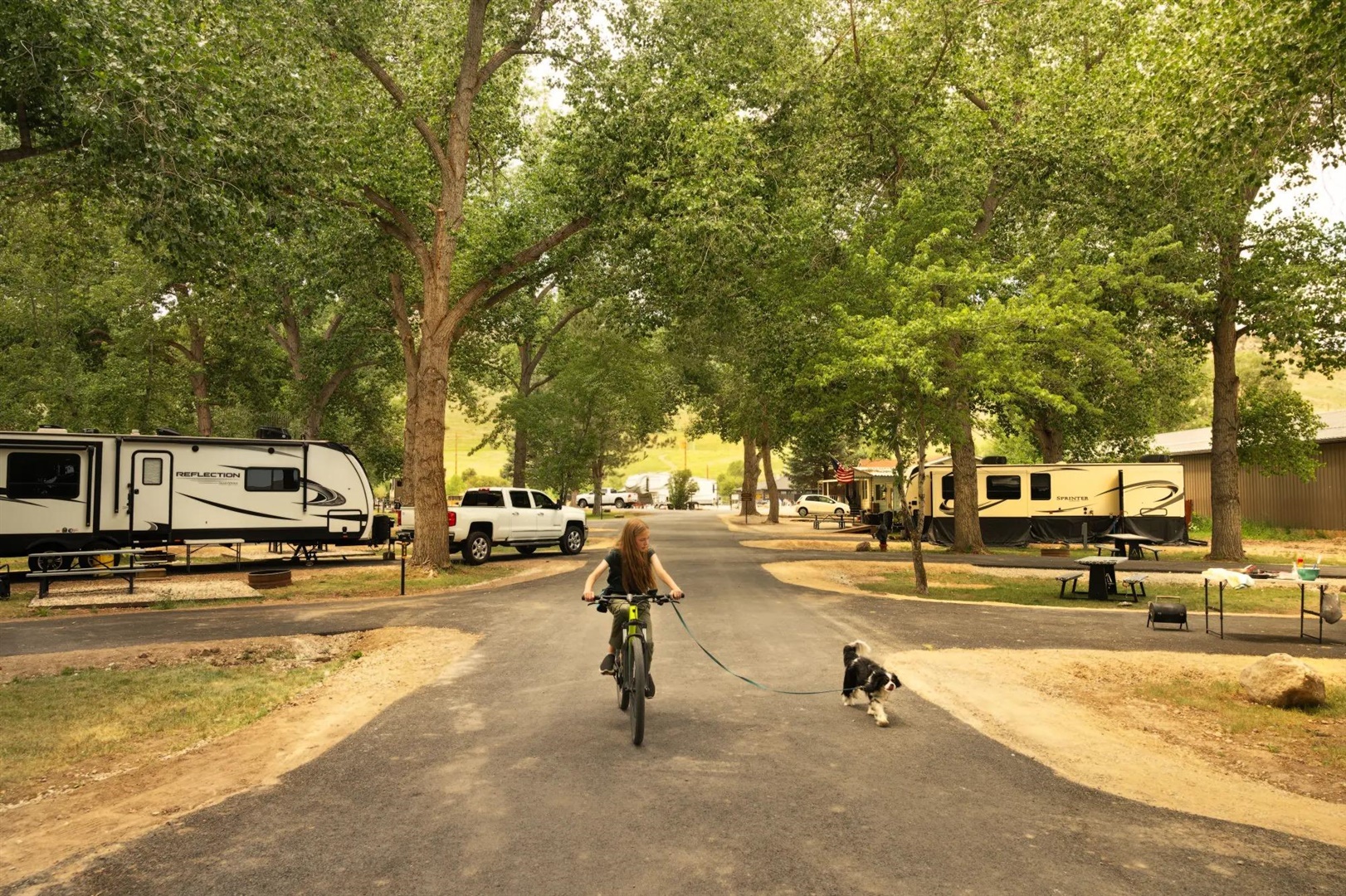
Best summer base: go high. Roam Uinta in Kamas and Roam Echo Island near Coalville trade desert heat for river breezes and mountain nights. Both make an easy launch point for the Mirror Lake Scenic Byway and the Uinta lakes.
Fall RV Camping in Utah (September to October)
Ask a Utah local for their favorite season and most will say fall. The monsoon fades, the air turns dry and stable, summer crowds thin out, and the temperatures land right in the sweet spot for hiking. September might be the single best month to camp anywhere in the state.
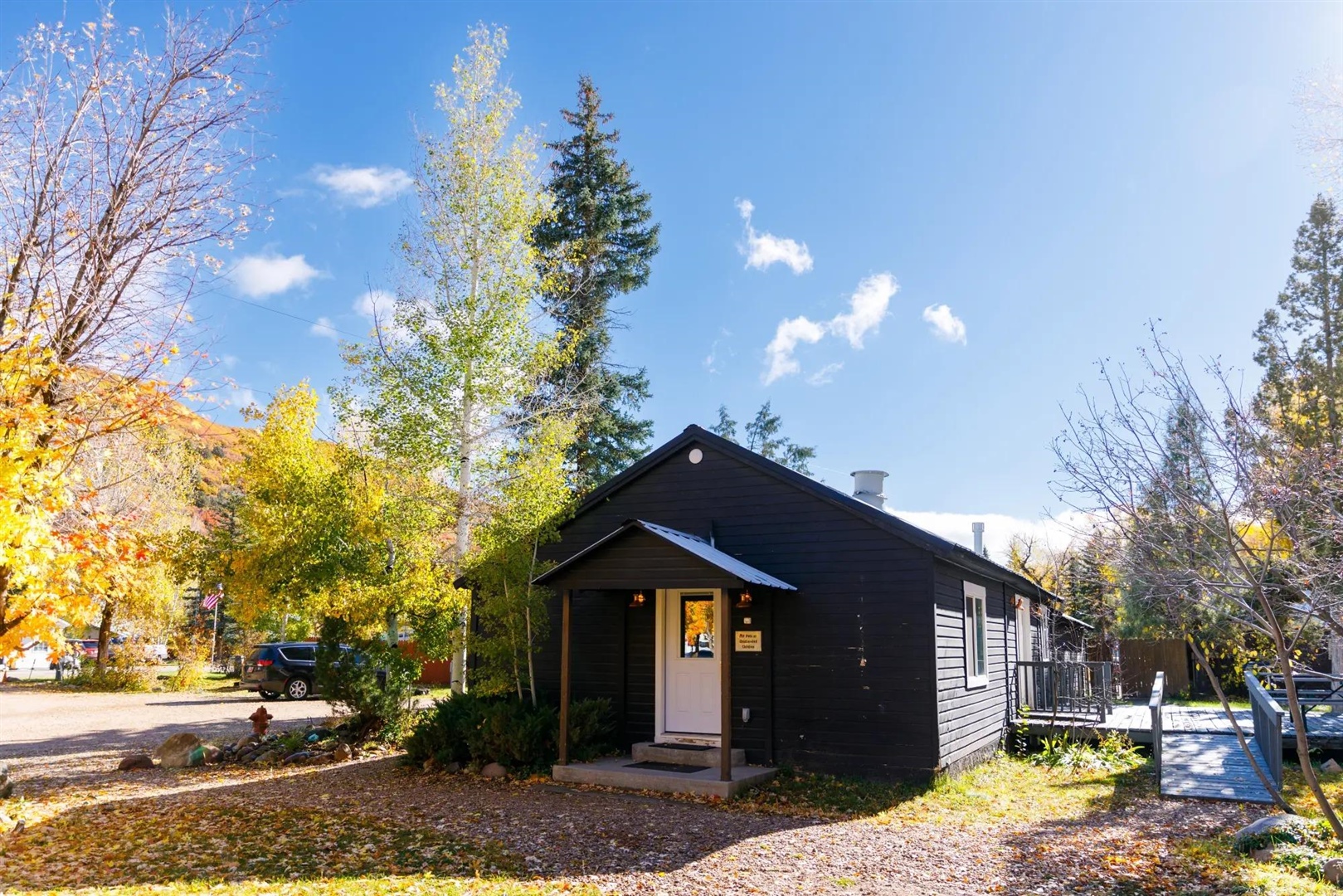
The mountains put on the show. Aspens light up gold across the Uintas and the Wasatch, usually peaking from late September into the first week of October at higher elevations. Drive the Mirror Lake Scenic Byway during that window and you will see why people plan trips around it. Down south, the red rock stays warm and welcoming well into October, so you can chase color up high and comfort down low in the same week.
Best fall base: anywhere, honestly. For foliage, base north at Roam Echo Island or Roam Uinta. For warm-and-quiet red rock, stay south near Dixie Forest in Panguitch.
Winter RV Camping in Utah (December to February)
Winter is the specialist season, and it splits hard by region. Northern Utah is ski country. The mountains around Park City pile up serious snow, which is wonderful if you came to ski and demanding if your rig is not set up for cold. Southern Utah is milder but still freezes overnight, and Bryce Canyon’s high rim turns into a snowshoe wonderland with red hoodoos capped in white.
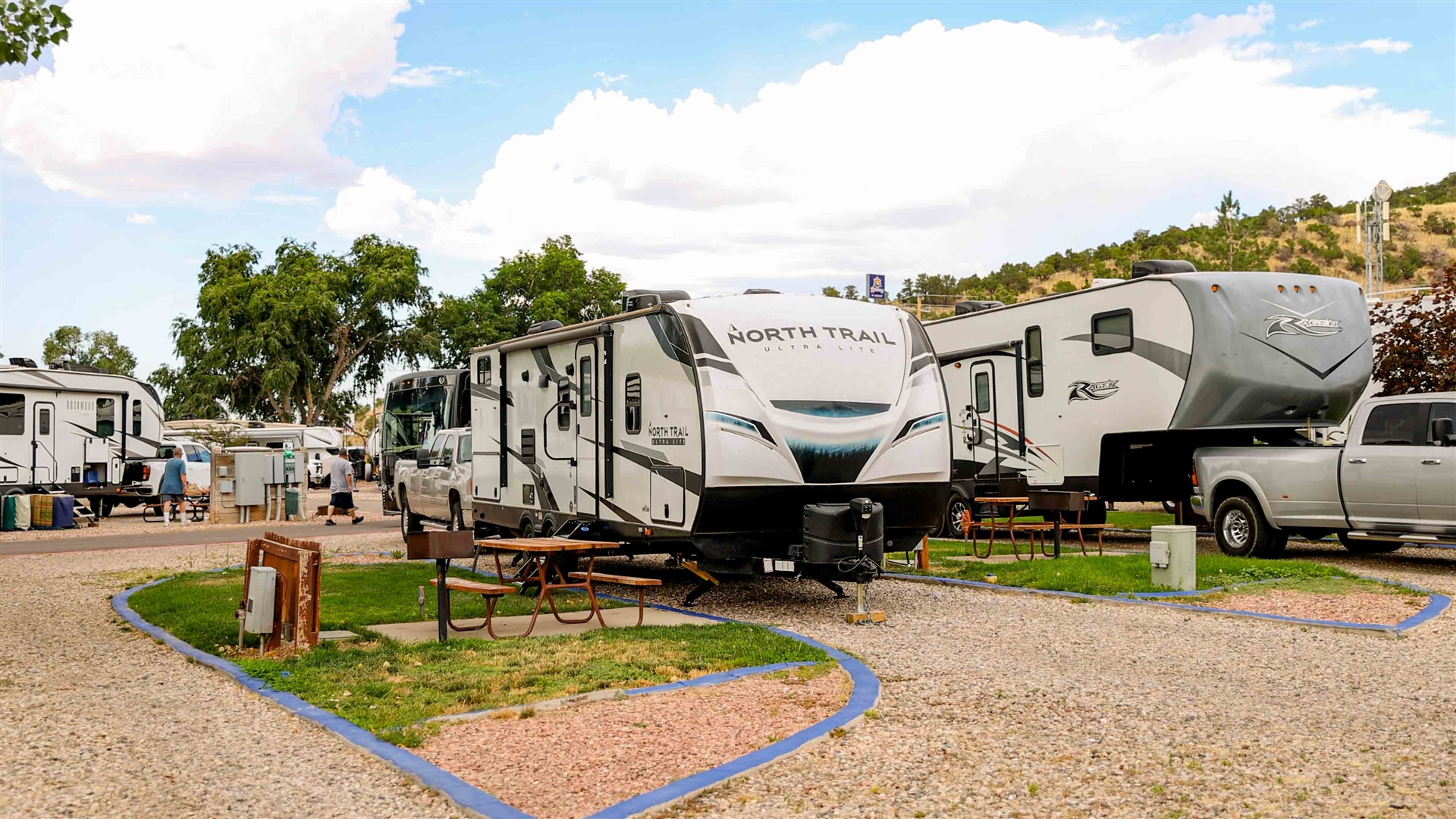
If you are camping through a Utah winter, come prepared for it. Heated water hoses, tank heaters, skirting, and a hard look at your propane supply all matter here. Several RJourney parks stay open year-round, including Roam Springville, Roam Echo Island, and Roam Uinta, so a warm full-hookup site is there when the temperature drops. Call ahead in the off-season to confirm hours and any weather closures.
Best winter base: Roam Springville for its indoor rec hall and easy I-15 access, or Cedar City as a milder southern launch pad for a snowy day at Bryce.
Utah RV Camping Weather at a Glance
| Season | Southern Utah (red rock) | Northern Utah (mountains) | Best for |
|---|---|---|---|
| Spring (Mar to May) | Warming, mild days, cold nights, some snow high up | Still wintry into April, muddy thaw | Early hiking, low crowds, wildflowers |
| Summer (Jun to Aug) | Hot valleys, cooler at elevation, monsoon storms | Cool and green, prime high-country season | Mountain escapes, rivers, lakes |
| Fall (Sep to Oct) | Warm, dry, stable, quiet | Aspen color, crisp days, cold nights | The all-around best window |
| Winter (Dec to Feb) | Chilly, freezing nights, snow-capped hoodoos | Deep snow, ski country | Snowshoeing, skiing, quiet red rock |
Where to Base Camp Across Utah
Utah rewards a hub-and-spoke approach. Park the rig somewhere with full hookups, then day-trip to the canyons, lakes, and byways nearby. Here is the RJourney map, south to north.
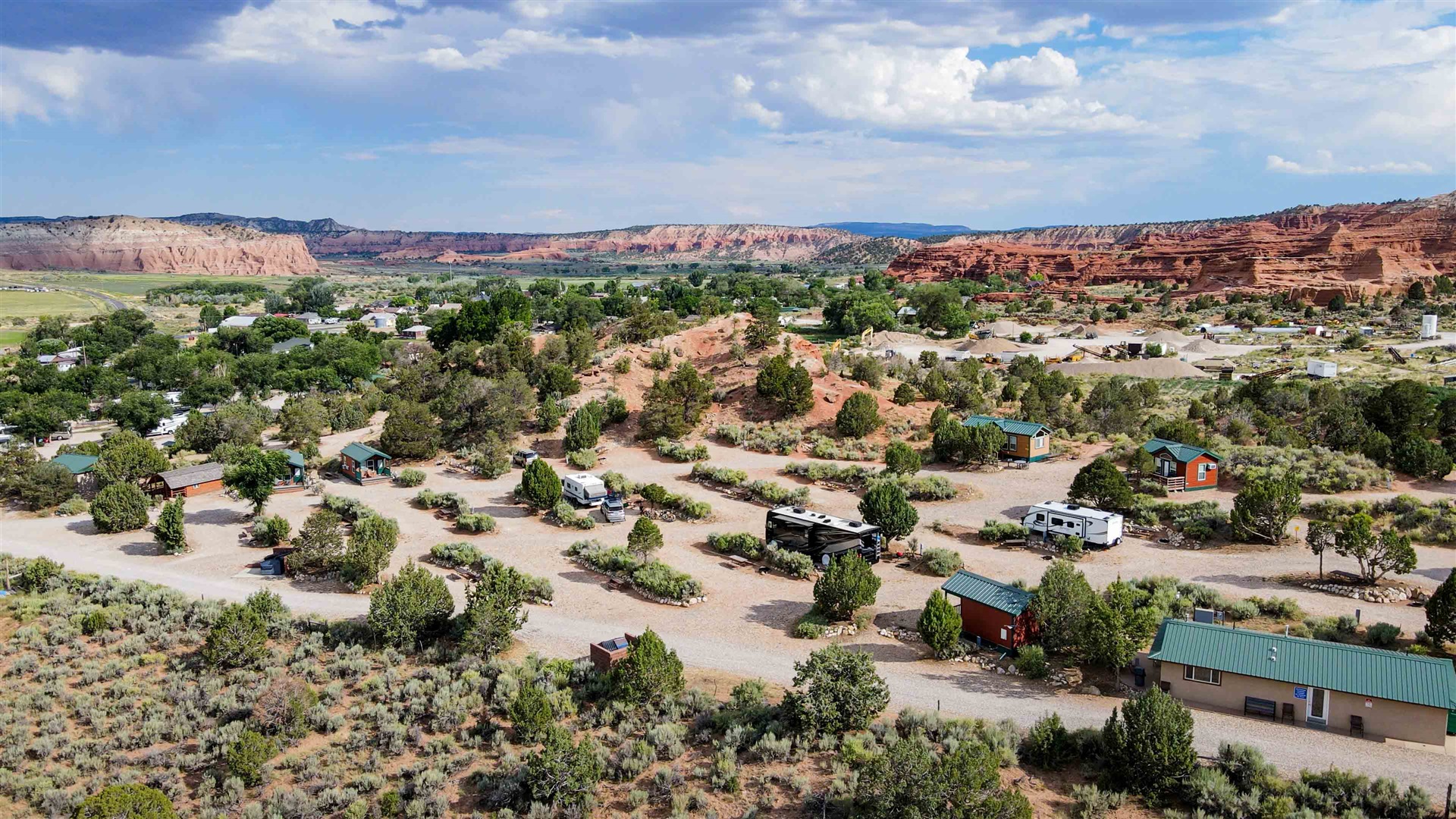
- Bryce Canyon RV Resort (Cannonville): high red rock country, minutes from Bryce Canyon National Park.
- Dixie Forest RV Resort (Panguitch): Bryce up the road, Zion within reach, quiet southern base.
- Cedar City RV Resort (Cedar City): right off I-15, an easy launch pad for Zion, Bryce, and the whole south.
- Roam Springville RV Resort (Springville): Utah Valley, paved sites, indoor rec, open year-round.
- Roam Echo Island RV Resort (Coalville): 40 acres on the Weber River, 25 miles from Park City.
- Roam Uinta RV Resort (Kamas): above 7,000 feet on the Provo River, the gateway to the Mirror Lake Scenic Byway.
Planning a full loop? Our 14-day Mighty 5 RV itinerary stitches the southern parks together, and the best time to visit Utah national parks guide goes month by month on the park side.
Frequently Asked Questions
What is the best time to visit Utah for RV camping?
For most travelers, September is the best all-around month. The summer monsoon has faded, the air is dry and stable, crowds thin out, and days are warm without the desert heat. Late May and early October are close seconds, giving you comfortable weather across both the red rock south and the northern mountains.
Can you RV camp in Utah in winter?
Yes, with the right setup. Several RJourney parks stay open year-round, including Roam Springville, Roam Echo Island, and Roam Uinta. Winter camping calls for a heated water hose, tank heaters, skirting, and plenty of propane. Southern parks near Cedar City run milder, while the northern mountains get deep, ski-worthy snow.
How hot does southern Utah get for summer camping?
The low desert can push past 100 degrees in July and August, but the RJourney parks sit at higher elevation, so they stay more comfortable. Bryce Canyon’s rim runs 20 to 25 degrees cooler than the valley floor. For the coolest summer stays, base up in the Uinta high country around Kamas.
When is the Utah monsoon season?
Utah’s monsoon runs from about mid-July into August. Expect fast-building afternoon thunderstorms, mainly in the south. The real risk is flash flooding in slot canyons and dry washes, so check the daily flash flood outlook and stay off canyon floors after midday during storm cycles.
The Short Version
RV camping in Utah comes down to reading elevation, not just the calendar. Spring and fall are the sweet spots statewide, summer belongs to the high country, and winter is for the prepared and the powder-chasers. Wherever the season points you, there is an RJourney full-hookup site within reach, from the Bryce Canyon red rock to the Uinta pines.
Ready to pick your season? Check availability at our Utah parks and build the trip around the weather you want.