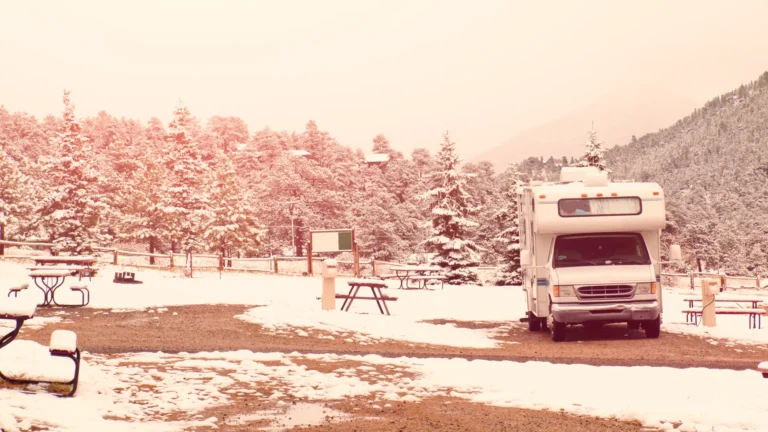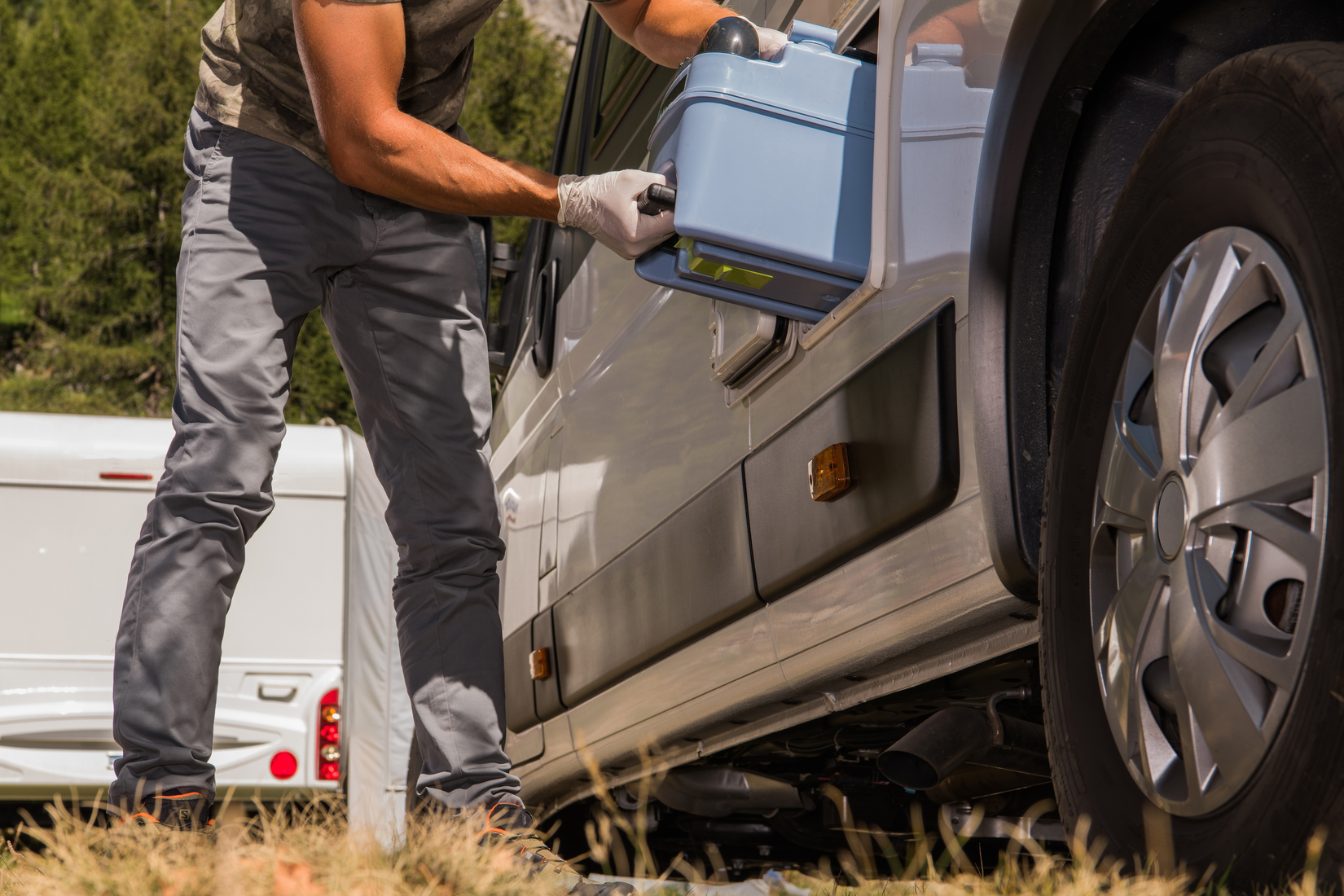
An RV is part vehicle, part home, with twice the systems that can fail. Engine, tires, brakes, plumbing, electrical, propane, roofing, appliances, slideouts: each runs on its own schedule. A 30-minute pre-trip walk-around saves you 3 days of frustration in a parking lot 600 miles from home.
This guide is built for owners taking long trips. It covers what to check before you leave, what to keep up with monthly while you’re out, and what to handle quarterly and annually so the rig stays road-ready year after year.
Quick Facts: RV Maintenance at a Glance
- Replace tires at 7 years based on the DOT manufacture date code, regardless of tread depth.
- Clean or replace A/C filters monthly during active use. Clogged filters cut cooling efficiency by up to 15%.
- Run the generator 2 hours at 50% load every month to prevent carburetor varnishing.
- Inspect exterior sealants every 6 months. Water intrusion is the #1 cause of major RV repairs, often costing $3,000 to $10,000 per claim.
- Sanitize the freshwater tank with 1/4 cup of household bleach per 15 gallons of capacity.
Print the Full Checklist for your Glovebox:
Why Every RV Owner Needs a Maintenance Checklist
Engine, tires, brakes, plumbing, electrical, propane, roofing, appliances, slideouts. Each demands attention on a different cadence. A structured checklist turns that into a routine you can actually keep.
A simple maintenance log makes it stick. Date, mileage, what you checked, what you replaced. When something fails 18 months from now, the log tells you whether it was the part or the install.
Water damage from failed seals causes more total dollar damage to RVs than any other single issue. Most of those failures are catchable on a 10-minute roof inspection.
Pre-Trip RV Maintenance Checklist
Before you pull out for any long trip, run a thorough walk-around. 30 to 60 minutes here saves days on the road.
Tires and Wheels
Tire failure is the most common (and most dangerous) cause of RV breakdowns at highway speed.
- Check tire pressure on cold tires with a quality gauge. Inflate to the manufacturer’s recommended PSI on the tire placard or owner’s manual, not the maximum PSI printed on the sidewall.
- Test tread depth with the quarter test: insert a quarter head-first into the groove. If you can see the top of Washington’s head, replace the tire.
- Inspect sidewalls for cracks, bulges, or weather checking.
- Verify the DOT date code on every tire. Anything older than 7 years gets replaced regardless of appearance. Rubber compounds degrade with time and UV, even on a tire that looks fine.
- Torque lug nuts to manufacturer specifications with a calibrated torque wrench.
- Check the spare for inflation and condition.
- Inspect wheel bearings for play or wear, especially on trailers.
Electrical and Battery Systems
- Test brake lights, turn signals, headlights, and running lights with a partner or a mirror.
- Check battery terminals for corrosion. Clean with a baking soda paste if needed.
- Confirm battery charge. Recharge anything sitting low.
- Top off battery fluid in non-sealed batteries with distilled water.
- Replace any battery not holding a charge.
- Test GFCI outlets with the test/reset buttons.
- Confirm the converter and inverter are working.
Hitch and Towing Components
- Inspect the hitch, coupler, and safety chains for wear, cracks, or loose bolts.
- Verify the breakaway switch cable is properly connected and the battery is charged.
- Test trailer brakes independently before merging onto the highway.
Engine and Drivetrain (Motorhomes)
- Check oil level, transmission fluid, coolant, brake fluid, and power steering fluid.
- Inspect belts and hoses for cracks, soft spots, or fraying.
- Verify the air filter is clean and replace if needed.
- Test windshield wipers and washer fluid.
Safety Equipment
- Confirm fire extinguishers are charged and accessible.
- Test smoke, carbon monoxide, and LP gas detectors to confirm they’re working.
- Locate your emergency roadside kit, including reflective triangles, a first aid kit, and a flashlight with fresh batteries.

Monthly RV Maintenance Checklist
Even during a long trip, these monthly tasks keep all your systems running. Staying on top of them prevents small issues from turning into expensive repairs. For students planning study breaks or mobile semesters, student-discount RV stays make long trips both affordable and reliable.
HVAC and Climate Systems
- Clean or replace A/C filters monthly for optimal climate control. Clogged filters reduce cooling efficiency by up to 15% and force the unit to work harder, shortening its lifespan.
- Run the furnace to confirm ignition and proper venting.
- Inspect A/C shroud and condenser fins for debris.
Seals, Slideouts, and Exterior
- Walk a full exterior inspection of the roof, sidewalls, seals, and tires. Look for damage, wear, or signs of water intrusion.
- Inspect slideout seals and rubber gaskets for tears, compression, or gaps.
- Check hydraulic fluid levels if your slideout system is hydraulic.
- Examine window, door, and compartment seals for cracking or separation.
- Apply UV protectant to tires and exposed rubber or vinyl surfaces. Choose products that are alcohol-free, silicone-free, and petroleum-free to avoid accelerating rubber degradation.
Generator
- Run your generator under load for at least 2 hours at approximately 50% capacity each month to keep internal components lubricated. This prevents carburetor varnishing, keeps internal seals lubricated, and ensures reliable starts when you need power most.
- If the generator will sit unused for extended periods, add fuel stabilizer to the tank.
Plumbing
- Check for leaks under sinks and around toilet seals.
- Inspect water heater for proper operation on both electric and propane settings.
- Flush and sanitize the fresh water tank and plumbing system if the RV has been sitting for more than 2 weeks.
Quarterly RV Maintenance Checklist
Every 3 months, or roughly every major trip segment, address these deeper maintenance items. Many RVers time this work with longer stops at destination parks, like Colorado RV camping basecamps near national parks or newer destinations like Tunatua RV Resort in Craig, Colorado. Quarterly is also the right rhythm for a deep clean of the interior, exterior, appliances, and rooftop to head off mold, debris buildup, and long-term damage.
Roof Inspection
Water intrusion through the roof is the leading cause of catastrophic and costly RV damage. Access the roof safely using an appropriate ladder and inspect:
- All sealant joints around vents, antennas, skylights, and edges for cracks or separation.
- The roof membrane for soft spots, punctures, tears, or discoloration.
- Clean the roof with an RV-approved cleaner appropriate for your roof material (rubber, fiberglass, or TPO).
Undercarriage
- Flush the RV underside to remove road salt, mud, and debris that accelerate corrosion.
- Inspect for signs of rust, loose components, or damaged underbelly material.
Appliance Deep Check
- Inspect and maintain all RV appliances to keep them running safely and efficiently.
- Clean range hood grease filters and inspect the vent fan.
- Clear refrigerator ventilation areas of dust, cobwebs, and nests.
- Inspect water heater anode rod and replace if more than 75% depleted.
- Check appliance vent screens for insect nests or obstructions.
Slideout Tracks and Mechanisms
- Clean slideout tracks or rails and remove grit.
- Lubricate according to manufacturer specifications.
- Verify smooth, full extension and retraction.
Annual and Seasonal RV Maintenance
These bigger-ticket items are best handled once a year. For complex or technical work, hire a certified RV technician with the expertise and proper tools to service your rig’s critical systems safely. For questions about scheduling work or services available at specific resorts, reach out through RJourney’s contact page.
Annual Professional Inspection Items
- Wheel bearing repacking and inspection. Worn bearings can cause wheel lockup at highway speeds.
- Brake inspection, including pads, drums or rotors, and brake fluid condition.
- Suspension system check for worn bushings, shocks, and leaf springs.
- Propane system leak test and regulator inspection. A quick DIY test: apply soapy water to connections and watch for bubbles. Any bubble formation indicates a gas leak that requires immediate professional repair.
- Tire balancing and alignment, especially if you’ve noticed uneven wear.
Spring De-Winterizing Checklist
Use a spring maintenance checklist as your guide for de-winterizing after winter storage. Pair this work with shoulder-season stays that take advantage of winter sale promotions on RV camping. If your RV has been in winter storage, de-winterizing is your annual reset:
- Flush all antifreeze from the plumbing system until water runs clear.
- Sanitize the freshwater tank with 1/4 cup of household bleach per 15 gallons of capacity. Fill the system, let it sit for 12 hours, then flush thoroughly.
- Recharge or replace house batteries that have been disconnected during storage.
- Inspect the roof and all exterior seals for winter damage.
- Test every appliance: refrigerator (on AC, DC, and propane), water heater, furnace, A/C, and cooktop.
- Lubricate all locks, hinges, latches, and entry step mechanisms.
Fall Winterizing Checklist
Before long-term storage in cold climates, plan ahead for the next season with seasonal open enrollment at RV resorts:
- Drain and blow out all water lines or pump non-toxic RV antifreeze through the system. Freeze-thaw cycles during storage crack pipes and seals, so winterizing is essential.
- Disconnect and remove house batteries for indoor storage. Keep them on a maintenance charger.
- Clean the interior thoroughly to prevent mold and pests.
- Cover tires or move the RV to a covered storage area to prevent UV damage.
- Close tank valves and protect sewer connections from freezing.
RV Maintenance Schedule Summary
| Frequency | Key Tasks |
|---|---|
| Every Trip | Tires, lug nuts, lights, hitch, fluids, safety gear (Prevent roadside emergencies) |
| Monthly | A/C filters, seals, generator run, battery check (Stop small issues from becoming big ones) |
| Quarterly | Roof inspection, undercarriage flush, appliance vents (Prevent water damage and ensure hygiene) |
| Every 6 Months | Full sealant inspection and reapplication (Protect against the #1 cause of RV damage) |
| Annually | Brakes, bearings, propane system, suspension (Ensure structural and mechanical safety) |
RV Maintenance Tips for Long Trips
A long RV trip puts your rig through real miles. A few habits keep the trip smooth.
Check tire pressure before every travel day. Properly inflated tires improve fuel efficiency, sharpen handling, and reduce blowout risk. Monitor your electrical system, the battery, generator, and connections, so you catch issues at the campsite, not at 65 mph. As you plan your route, use RV parks, campgrounds, and RV resorts near you to choose maintenance-friendly stops with the hookups and amenities you need.
Pay attention to your water system. Confirm the water heater, water pump, and water lines are working before you leave the campground. A thorough cleaning of both the interior and exterior helps prevent buildup that turns into bigger maintenance headaches. Before you pull onto the highway, double-check brake lights, turn signals, and other safety features. Following these habits keeps your RV in shape for every mile of RV road trip ideas and destinations that match your travel style.
Common RV Maintenance Mistakes to Avoid
Even seasoned RV owners fall into common maintenance traps that lead to expensive repairs and safety risks.
The biggest mistake is skipping maintenance altogether. Overlooking routine checks on engine oil, transmission fluid, and other vital fluids leads to major mechanical issues. Skipping tire pressure checks leads to uneven wear, poor fuel economy, and a higher chance of a blowout. Letting deals and discounts on RV stays pass you by also limits your budget for professional inspections and critical maintenance.
Watch your electrical system. Faulty brake lights, turn signals, or wiring issues compromise safety on the road. Roof seals, window shades, and exterior components matter just as much. Ignoring them lets water in and causes significant damage over time.
Build a habit of checking your water heater, air conditioner, and generator on the regular. Staying proactive saves money and keeps your RV ready for the next big trip, whether that’s a weekend getaway or an iconic Route 66 road trip with memorable stops.
Where to Stay While You Maintain Your Rig
Long-trip maintenance is easiest when you have a comfortable, full-hookup site to work from. RJourney’s network of RV resorts and campgrounds across the country gives you the space, utilities, and amenities to handle routine checks between adventures.
Heading west? Pair maintenance days with RV camping in Colorado’s mountain parks. Cruising through the Rockies and want a basecamp near the national parks? Try Bryce Canyon RV Resort. Working through the Southeast? Clarksville RV Resort gives you the hookups to test your water system, run the A/C, and recharge batteries. Through Texas, Lake Conroe RV Campground and Rockport RV Resort offer spacious sites perfect for a maintenance layover day. On a northern route, Baraboo RV Resort in Wisconsin puts you near great attractions while giving you a solid home base.
A full-hookup site makes the next leg easier. You can run inspections, finish maintenance, and handle winterization so the rig is ready to go. Coastal travelers can time service days with RV parks in Washington State, and big-sky travelers can pair their schedule with RV campgrounds in Wyoming.
Print the Full Checklist for your Glovebox:
Frequently Asked Questions
How often should I perform RV maintenance on a long trip?
Before every departure, conduct a walk-around inspection covering tires, lights, hitch components, and fluid levels. Monthly tasks include cleaning A/C filters, checking seals, and running the generator. Quarterly, perform a roof inspection and undercarriage flush. Annual professional service should cover brakes, bearings, propane systems, and suspension. On trips lasting more than a month, follow the monthly and quarterly schedules while on the road.
What is the most important item on an RV maintenance checklist?
Roof and seal integrity ranks as the single most critical maintenance priority for RV longevity. While tire safety is the top concern for immediate road safety, undetected water intrusion through failed seals causes more total dollar damage to RVs than any other single issue. Inspect sealants around every roof penetration at least every 6 months and reseal with manufacturer-approved products at the first sign of cracking.
How do I check for propane leaks on my RV?
Apply a solution of soapy water to all propane fittings, hoses, and connections. Turn the gas on and watch each joint carefully. Any bubbling indicates a leak. Do not use a flame to test for propane leaks under any circumstances. If you detect a leak, shut off the gas immediately, ventilate the area, and have the system professionally repaired before using it again. An annual professional propane system inspection, including the regulator, is strongly recommended.
When should I replace my RV tires?
Replace RV tires when tread depth is insufficient (fails the quarter test), when sidewalls show cracking or bulging, or when the tires reach 7 years of age based on the DOT date code, whichever comes first. RV tires degrade from UV exposure, ozone, and time even when they appear to have adequate tread. Because RVs are heavier and often sit for long periods, age-related failure is more common than with passenger vehicle tires.
What should I add to my RV maintenance checklist for summer travel?
Summer heat adds specific demands. Clean A/C filters monthly, apply UV protection products to tires and exterior surfaces, and remove tree sap from the exterior promptly to prevent damage. Check tire pressure more frequently, since hot pavement increases blowout risk. Inspect coolant levels and radiator hoses, and confirm refrigerator ventilation is unobstructed. Avoid plumbing maintenance when ambient temperatures exceed 85°F, since heat causes hose swelling and unreliable seal performance.
Hit the Road With Confidence
A well-maintained RV is the foundation of every great road trip memory. Following this checklist before, during, and after long trips means you spend less time worrying about what could go wrong and more time on the open road, the views, and the people in the rig with you.
Ready to plan your next adventure? Explore RJourney’s family of RV resorts and campgrounds across the country and book a site where you can relax, recharge, and keep your rig in top shape, taking advantage of current RV resort deals and discounts along the way.
Conclusion
Long trips are when small RV issues turn into big problems, so a consistent checklist is your best travel companion. Take 30 to 60 minutes before departure to inspect tires, lights, hitch components, fluids, and safety gear. Keep up with monthly filter, seal, battery, and generator checks as you travel. Quarterly roof and undercarriage inspections head off water intrusion and corrosion, and an annual technician visit protects critical systems like brakes, bearings, propane, and suspension. For maintenance days that feel easy, plan stops with full hookups so you can run appliances, recharge batteries, and test plumbing. Explore RJourney and book a campground that keeps you comfortable while keeping your rig road-ready, knowing your information is protected under RJourney’s privacy policy.