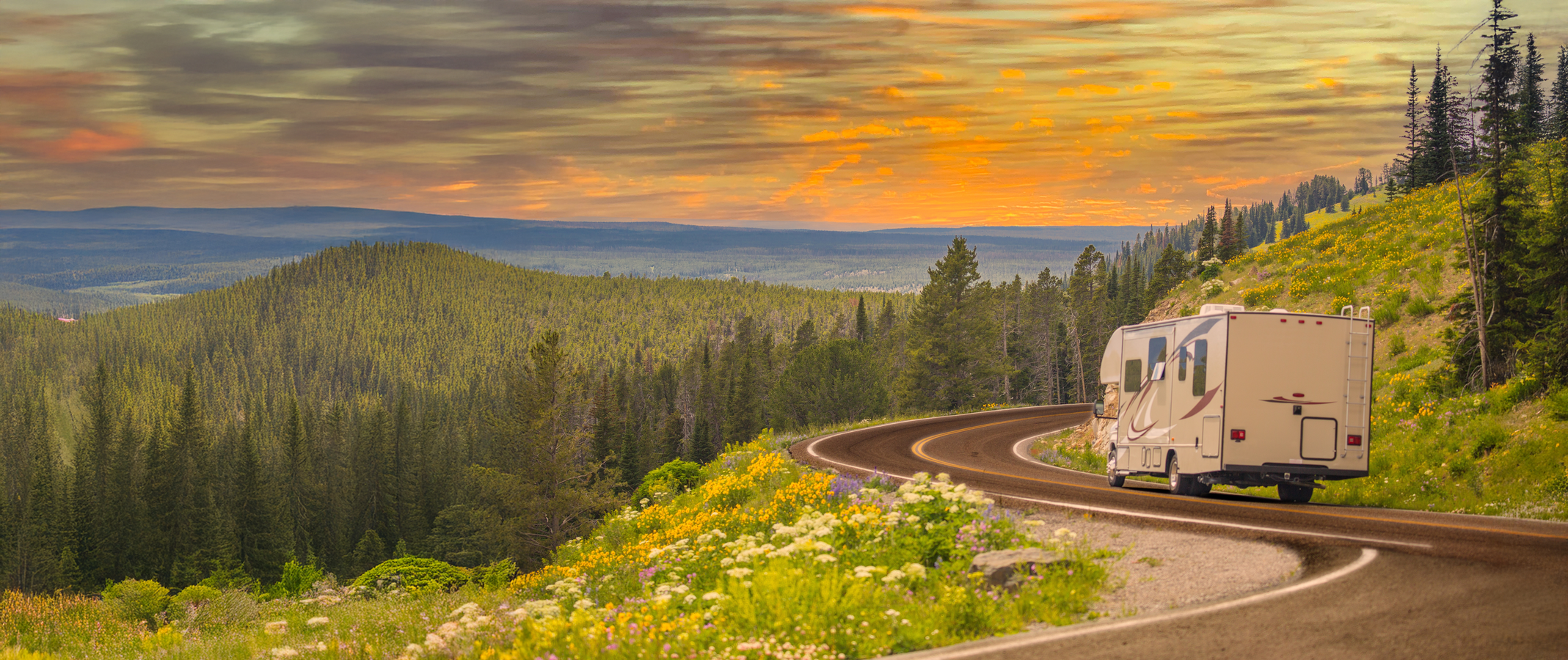
There’s nothing quite like the freedom of a cross country RV trip, waking up to mountain sunrises in Colorado, parking oceanside along the California coast, and rolling through small-town America with your home right behind you. Cross-country RV trips are among the most iconic and memorable road trips in America, offering the ultimate adventure and a chance to experience the country’s diverse landscapes. People all over the world dream of seeing what America has to offer, we are lucky enough to have access to it any time.
This guide is designed for both first-time RV travelers and experienced road trippers planning a cross country RV adventure. We’ll cover route selection, timing, budgeting, packing, and essential tips for a successful cross country RV trip.
Planning a coast-to-coast journey across the United States is one of the most rewarding adventures an RV traveler can take, but it requires smart preparation to make the most of every mile. If you have specific questions about RV sites, amenities, or locations, you can reach out through the RJourney contact page for personalized assistance.
Whether you’re a first-timer mapping out your dream route or a seasoned road warrior looking for fresh inspiration, this guide covers everything you need to plan a cross-country RV trip that’s unforgettable, from iconic routes and must-see stops to practical budgeting tips and the best times to hit the road. For even more destination ideas and road trip inspiration, explore the RJourney travel blog.
Quick Facts: Cross-Country RV Trips at a Glance
- Average coast-to-coast distance: 2,500–4,000+ miles depending on route
- Best seasons to travel: Spring (April–June) and fall (September–October) — if you plan to stay put for part of your loop, look into RJourney’s 2026 seasonal open enrollment for long-term site options
- Top iconic routes: Route 66, Pacific Coast Highway, US-20 Oregon Trail, Blue Ridge Parkway, US-50 “Loneliest Road”
- Key planning tools: RV Trip Wizard, Roadtrippers, Recreation.gov
- 2026 milestone: Route 66 centennial celebrations (originally paved in 1926)
- RV restriction alert: Going-to-the-Sun Road in Glacier National Park has a 21-foot RV limit
Introduction to Cross-Country Travel
There’s something magical about setting out on a cross-country RV road trip—the sense of freedom, the thrill of the open road, and the promise of adventure around every bend. Traveling coast to coast in an RV lets you experience the United States in a way that no other journey can, from the rugged cliffs of the west coast to the charming small towns of the east coast. Whether you’re dreaming of exploring iconic national parks, discovering hidden gems in the heartland, or simply enjoying the ever-changing scenery, a country RV trip is the perfect way to make memories with family and friends.
This guide is designed for both first-time RV travelers and experienced road trippers planning a cross country RV adventure. We’ll cover route selection, timing, budgeting, packing, and essential tips for a successful cross country RV trip.
With a little planning, your RV trip can be as relaxing or as action-packed as you want. Tools like RV Trip Wizard make it easy to map out your route, find RV-friendly roads, and book campgrounds along the way. Whether you’re a seasoned traveler or planning your very first cross country RV adventure, the journey is yours to shape. So start planning, pack your sense of curiosity, and get ready to explore the country—one breathtaking view at a time.
Why a Cross-Country RV Trip Is the Ultimate American Adventure
A cross-country RV trip is the most flexible and immersive way to experience the sheer diversity of the American landscape. Unlike flying, RV travel lets you control the pace, change plans on a whim, and wake up steps from some of the country’s greatest natural wonders — all without packing and unpacking hotel rooms.
The United States has over 400 national park sites, thousands of state parks, and millions of miles of scenic highways, making it arguably the best country in the world for extended RV travel. From the temperate rainforests of Olympic National Park in Washington to the wild ponies of Assateague Island National Seashore in Maryland, every region delivers something entirely different.
Step 1: Choose Your Cross-Country RV Route
The route you choose shapes the entire experience. When planning your cross country RV trip, it’s important to consider each location along your route and decide which key places you want to visit, including must-see destinations and essential stops. Here are five legendary options for a cross-country RV trip, each offering a distinct flavor of America.

Route 66: Chicago, IL to Santa Monica, CA
The most iconic American road trip of all time, Route 66 stretches roughly 2,400 miles through eight states. Highlights include Meramec Caverns in Missouri, the neon-lit town of Tucumcari in New Mexico, and the breathtaking Painted Desert in Arizona. With Route 66’s centennial celebrations ramping up in 2026 — marking 100 years since the original alignment was paved in 1926 — there’s never been a better time to drive this historic highway. Expect pop-up festivals, restored landmarks, and special exhibits along the way.
If you’re starting from Missouri, consider a stay at Perryville RV Resort or Pin Oak RV Resort to kick off your journey, and use this as a jumping-off point to explore more RV camping in Missouri.
Pacific Coast Highway: Washington to San Diego, CA
Running from Olympic National Park down to sunny San Diego, the Pacific Coast Highway delivers some of the most dramatic coastal scenery on Earth. Don’t miss the Three Capes Loop in Oregon, the towering Redwood National Park in Northern California, and the jaw-dropping 90-mile stretch through Big Sur. Note that summer mornings along the coast often bring fog, so plan your scenic driving for afternoons.
RV travelers heading through Oregon can base at Klamath Falls RV Resort for easy access to Crater Lake and Southern Oregon’s natural beauty, while those entering California’s Sacramento Delta region will find a peaceful retreat at Snug Harbor RV Park. For more ideas on where to stay and what to see, check out the guide to the best RV camping in Oregon. The Pacific Coast Highway and its scenic byways are RV accessible, offering plenty of services and campgrounds specifically designed for RV travelers.
US-20 Oregon Trail: Cannon Beach, OR to Cape Cod, MA
The US-20 Oregon Trail route spans approximately 3,365 miles and is the longest road in the United States, crossing 12 states from coast to coast. This path traces the footsteps of America’s western pioneers and passes through Yellowstone National Park (WY), Mount Rushmore in South Dakota—a key state for cross country RV trip enthusiasts—and the quirky Carhenge installation in Nebraska.
Blue Ridge Parkway: Virginia to North Carolina
While not strictly coast-to-coast, this 469-mile mountain drive connecting Shenandoah National Park to Great Smoky Mountains National Park is a must-add detour for any cross-country RV trip through the eastern states. The Blue Ridge Parkway is considered the most visited unit of the National Park System, attracting approximately 15 million visitors per year. Fall foliage season (September–October) is peak time, and free summer concerts at the Blue Ridge Music Center at milepost 213 in Virginia add a magical touch.
Travelers in the region can explore nearby James Creek RV Resort in Pennsylvania, or head south to The Point at Lake Hartwell in South Carolina and Clarksville RV Resort in Tennessee, with South Carolina’s best RV campgrounds offering great spring and fall stopovers along coastal or inland routes.
US-50: The Loneliest Road (San Francisco, CA to Ocean City, MD)
For travelers craving solitude and wide-open spaces, US-50 crosses the remote Nevada desert, Lake Tahoe, Great Basin National Park, and eventually the rolling farmlands of the Midwest before reaching the Atlantic shore. The stretch through the Midwest is a beautiful trip, offering picturesque scenery and memorable small towns along the way. For those interested in historic and scenic river routes, consider a detour to follow the Mississippi River along the Great River Road, which features notable landmarks and attractions. Bring extra water and supplies for the remote western stretches — this route earned its nickname for good reason.
Step 2: Pick the Best Time for Your Cross-Country RV Trip
Timing can make or break a cross-country RV trip, as weather conditions vary dramatically across U.S. climate zones. Here’s a seasonal breakdown:
- Spring (April–June): Mild temperatures, wildflower blooms, fewer crowds. Ideal for southern and central routes.
- Summer (June–August): Best for northern routes like US-20 and Pacific Northwest itineraries. Avoid desert routes in July and August when temperatures regularly exceed 110°F.
- Fall (September–October): Peak foliage on the Blue Ridge Parkway and throughout New England. Comfortable temperatures nationwide.
- Winter (November–March): During the winter months, best suited for southern routes. Mountain passes may close, and many northern campgrounds shut down for the season.
Step 3: Plan Your Stops and Campground Reservations
One of the biggest mistakes first-time cross-country RV travelers make is underestimating how far in advance popular campgrounds book up. National park campgrounds — especially at Yellowstone, Zion, and Grand Canyon — can sell out six months or more in advance, making early reservation through Recreation.gov essential.
Build your itinerary by listing your must-see destinations first, then spacing them with comfortable driving days of 200–300 miles. Give yourself at least two nights at major stops so you actually have time to explore rather than just passing through. Be sure to build in some free time for spontaneous exploration and relaxation, as this flexibility can make your cross country RV trip more enjoyable. Many stops along the way also offer excellent opportunities for RV camping, letting you experience scenic and cultural highlights up close.
Recommended RJourney Stops Across the Country
Building a cross-country loop? RJourney parks are strategically located to serve as comfortable base camps throughout your journey:
- West: Bryce Canyon RV Resort, Cedar City RV Resort, and Cortez RV Resort for exploring Utah’s Mighty Five and Colorado’s Mesa Verde. Utah is a prime destination for cross country RV trip enthusiasts, offering stunning red rock landscapes and iconic national parks; for more planning help, see this overview of RV campgrounds in Utah.
- Mountain/Plains: Cheyenne RV Resort, Laramie RV Resort, and Pine Bluffs RV Park for the Wyoming stretch toward Yellowstone. To dive deeper into routes, attractions, and stays in the area, review this guide to RV campgrounds in Wyoming.
- Midwest: Elkhart RV Resort in Indiana — the “RV Capital of the World” — and Baraboo RV Resort near Wisconsin Dells.
- South: Lake Conroe RV Campground, Rockport RV Resort, Lake Charles RV Resort, and Sunburst RV Resort for warm-weather routes.
- Northeast: Splash Magic RV Resort, Blue Haven Campground, and Interlake RV Resort for Catskills and Finger Lakes adventures.
Step 4: Budget Your Cross-Country RV Trip
A realistic budget keeps the fun going without financial stress. Here’s a general cost framework:
| Expense Category | Estimated Cost (Per Day) |
|---|---|
| Campground fees | $30–$75/night |
| Fuel (gas RV, ~8 mpg) | $75–$150/day driving |
| Food & groceries | $40–$80/day (family of four) |
| Activities & attractions | $20–$50/day |
| Maintenance & misc. | $10–$25/day |
When planning your route, be sure to identify RV-friendly fuel stations and gas stations along the way to ensure convenient and safe refueling throughout your cross country RV trip.
A 30-day cross-country RV trip for a family of four typically costs between $5,000 and $10,000, depending on campground choices, fuel prices, and dining habits. Cooking in your RV kitchen and choosing campgrounds with full hookups (which reduce generator fuel costs) are two of the easiest ways to stay on budget.
Step 5: Pack Smart and Prep Your Rig
Before hitting the road on a cross-country RV trip, a thorough rig inspection is non-negotiable. Use the following checklists to ensure your RV is ready for the journey:
Tire and System Checks
- Tires: Check tread depth and pressure, including the spare. Inspect for cracks or bulges before each leg of the trip.
- Systems check: Test all appliances, the water heater, AC, slides, and leveling jacks.
Emergency Kit Essentials
- Emergency kit: Include a water filter, first-aid supplies, jumper cables, road flares, RV-specific tools, and spare fuses.
- Pack tools and emergency gear: Such as a spare tire, jumper cables, and flares.
Climate-Ready Packing
- Climate-ready packing: Rain gear for the Pacific Northwest, sun protection for the Southwest, and layers for mountain elevation changes.
- Pack a dedicated bin: With immediate essentials for the first night to avoid fully unpacking after a long day of driving.
- Use reflective window covers and fans: To maintain interior temperature control.
- Replace thin RV mattresses: With high-quality foam toppers for better rest.
- Use earplugs or a white noise machine: To manage noise while traveling in an RV.
Navigation Tools
- Navigation: Download offline maps. Bring paper atlas backups for remote areas like US-50’s Nevada stretches where cell service disappears.
- Use RV-specific GPS apps: To avoid low bridges or weight-restricted roads.
- Plan for water, propane, and fuel refills: To avoid stress in remote areas.
- Monitor weather conditions daily: As wind and storms significantly impact RV safety.
Choosing the Right Vehicle for a Cross-Country RV Road Trip
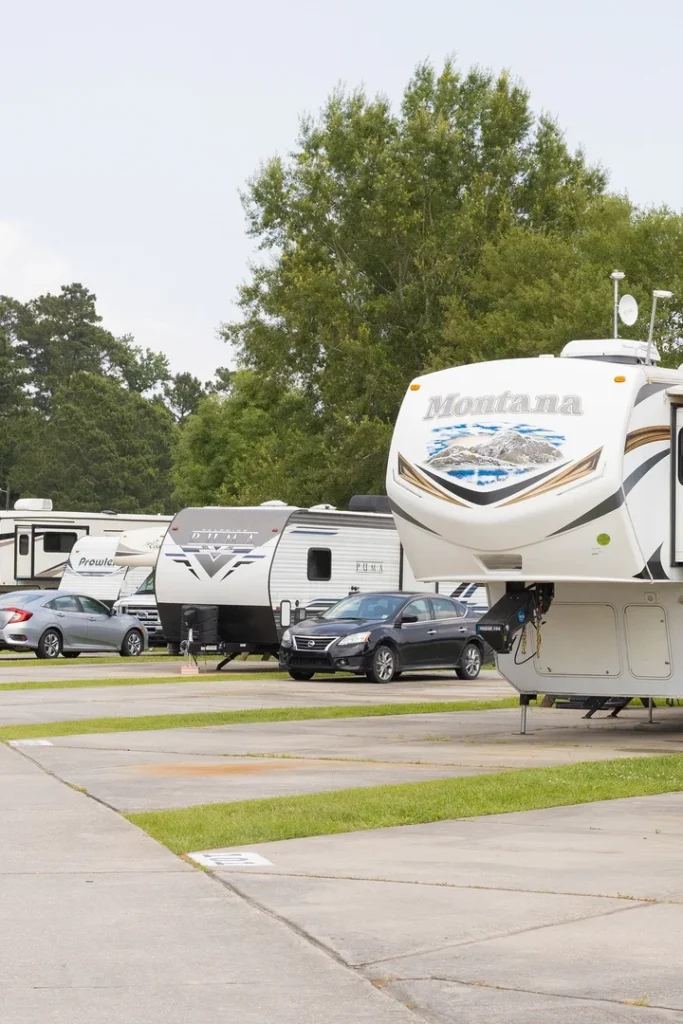
Selecting the right RV is one of the most important decisions you’ll make for your cross-country journey. The perfect vehicle should fit your travel style, group size, and the types of campgrounds and scenic drives you want to experience. Consider how much space you’ll need for sleeping, cooking, and relaxing—Class A motorhomes offer plenty of room and amenities, while Class C RVs and travel trailers can be easier to maneuver on winding roads and through small towns.
Driving an RV is a very different experience from driving a car. It may be a good idea to practice driving a few times before your road trip.
Think about your route: will you be tackling mountain passes, exploring secondary roads, or seeking out unique roadside attractions? If so, a more compact RV might be better for navigating low bridges and tight turns. For those planning to dry camp or boondock, look for models with larger water tanks and solar options. Always check the maintenance history and ensure your RV is road-ready before you set out—nothing puts a damper on a country RV trip like unexpected breakdowns.
By matching your RV to your planned journey, you’ll be able to enjoy the best campgrounds, scenic drives, and camping experiences the country has to offer. Take your time to research, read reviews, and plan for the kind of adventure that will make your cross country RV trip truly unforgettable.
Don’t Forget the Food: Dining Along Your Route
Half the joy of a cross-country RV trip is eating your way across America. Route 66 serves up legendary Tex-Mex and barbecue in towns like Tucumcari, NM. Indiana’s Amish Country offers home-style meals and handcrafted goods. Cannon Beach, Oregon, is famous for fresh Pacific seafood. And no trip through the South is complete without stopping for Low Country boils in Beaufort, SC, or classic Southern cooking in Savannah, GA.
Pro tip: Stock up at local farmers’ markets along the way — you’ll eat better, spend less, and support small communities.
Top Tips for a Successful Cross Country RV Trip
- Limit daily driving to under 300-350 miles to avoid fatigue and reduce the risk of fatigued driving.
- Adhere to the 3-3-3 Rule: drive no more than 300 miles per day, arrive by 3 PM, and stay for at least 3 nights.
- Book campsites months in advance for popular destinations like National Parks to ensure you have a place to stay each night and prevent last-minute stress.
- Service the vehicle before leaving, including checking the engine, generator, plumbing, and electrical systems.
- Check tire pressure when cold and inspect for cracks or bulges before each leg of the trip.
- Use RV-specific GPS apps to avoid low bridges or weight-restricted roads.
- Plan for water, propane, and fuel refills to avoid stress in remote areas.
- Carry an emergency kit that includes RV-specific tools and spare fuses.
- Pack a dedicated bin with immediate essentials for the first night to avoid fully unpacking after a long day of driving.
- Monitor weather conditions daily as wind and storms significantly impact RV safety.
- Include space for free time in your itinerary to allow for unexpected stops and extended stays at campgrounds you enjoy.
- Replace thin RV mattresses with high-quality foam toppers for better rest.
- Use reflective window covers and fans to maintain interior temperature control.
- Use earplugs or a white noise machine to manage noise while traveling in an RV.
- Many RVers try to stop every few hours to stretch their legs and take a break from driving.
- Arriving by 3 p.m. offers the best chance of your campground hosts still being there to welcome you and answer any questions you may have.
Frequently Asked Questions About Cross-Country RV Trips
How long does a cross-country RV trip take?
Most cross-country RV trips take between 2 and 6 weeks, depending on route and pace. A direct coast-to-coast drive can be done in about a week, but planning 3 to 4 weeks allows time to actually enjoy stops. Budget at least 2 nights per major destination and limit driving days to 200–300 miles.
What is the best route for a first-time cross-country RV trip?
Route 66 (Chicago to Santa Monica) is widely considered the best route for first-timers because of its well-established infrastructure, abundant campgrounds, and iconic Americana attractions. The US-20 Oregon Trail is another excellent choice for its variety of landscapes and historic sites.
Do I need reservations for campgrounds on a cross-country RV trip?
Yes — especially for national park campgrounds and popular RV resorts during summer and fall. Book through Recreation.gov for national parks at least 3–6 months in advance. Private RV resorts like those in the RJourney network also recommend booking ahead during peak season but often have more availability than government campgrounds.
What size RV is best for a cross-country trip?
A Class C motorhome (25–32 feet) is often considered the ideal size for a cross-country RV trip because it balances living comfort with maneuverability on mountain roads and in campgrounds. Keep in mind that vehicles over 21 feet cannot drive Going-to-the-Sun Road in Glacier National Park, and Beartooth Highway approaching Yellowstone has periodic RV length advisories.
How much fuel will I use on a cross-country RV trip?
Fuel consumption depends on your RV type and route. A gas motorhome averaging 8–10 miles per gallon on a 4,000-mile trip will use approximately 400–500 gallons of fuel. At current national average prices, that translates to roughly $1,400–$1,800 in fuel costs for a single coast-to-coast crossing.
Conclusion and Final Checklists for a Successful Road Trip
As your departure day approaches, a little extra preparation can make all the difference for a smooth and memorable cross-country RV road trip.
Final Route Review
Start by double-checking your trip route, including planned rest stops, potential unexpected stops, and any extended stays you’ve scheduled. Review the weather forecast for your destinations and adjust your plans if needed to ensure safe and comfortable travel.
Packing List Essentials
Creating a packing list is essential for an RV trip to ensure you have everything you need. Consider the weather and activities at your destination when creating your packing list, and include common items such as clothing, jackets, shoes, and recreational items. Check off items on your packing list as you prepare to pack them in your RV to ensure you don’t forget anything important.
Create a thorough packing list that covers essentials like food, water, clothing for all climates, and emergency supplies. Don’t forget to budget for campground fees, fuel, and other expenses along the way—consider a Good Sam membership to help you save on campground costs and enjoy added perks. Make sure your RV is stocked with tools, spare parts, and any gear you might need for hiking, exploring, or relaxing at your favorite campgrounds.
Budget and Membership Tips
Don’t forget to budget for campground fees, fuel, and other expenses along the way—consider a Good Sam membership to help you save on campground costs and enjoy added perks. Make sure your RV is stocked with tools, spare parts, and any gear you might need for hiking, exploring, or relaxing at your favorite campgrounds.
Before you hit the open road, take a moment to appreciate the adventure ahead. Whether your journey takes you from San Francisco to Ocean City, along the Great River Road, or through the country’s most beautiful national parks, you’re about to embark on a trip of a lifetime. Happy trails, safe travels, and may your cross country RV journey be filled with breathtaking views, new discoveries, and plenty of time to rest and enjoy the ride.
Conclusion
A cross-country RV trip is more than a vacation — it’s a chance to experience the United States at your own pace, from famous highways and national parks to unexpected roadside stops that become lifelong memories. With the right route, seasonal timing, campground strategy, and a realistic budget, you can build a trip that feels both adventurous and manageable. Start by choosing your must-see regions, then connect the dots with comfortable driving days and well-placed base camps. When you’re ready to turn plans into reservations, browse RJourney’s full collection of RV parks and resorts or use the RJourney RV parks and campgrounds finder to locate convenient, comfortable stops across the country and make every leg of your great American RV loop easier to enjoy.