Planning an RV adventure with your little ones? You’re in the right place, for sure! This all-in-one guide covers everything you need to know about RV travel with kids. From must-know safety tips and smart packing hacks to the best destinations and fun activities that will make memories and smiles multiply.
There’s something super magical about seeing your kids’ eyes light up as you pull into a new campground, whether it’s with snowy mountains nearby or waves crashing on the shore. Both parents and children often find themselves amazed by the unique experiences RV travel offers. Whether it is conquering adversity or how camping sparks kids’ curiosity and helps them grow. Traveling by RV with your family turns a regular vacation into an unforgettable adventure full of bonding, discovery, and memories you’ll cherish forever.
Did you know RV travel is the fastest-growing way families vacation in America? Many parents love it for the freedom it offers, the money it saves, and the quality time it creates. Unlike traditional trips where you’re stuck with hotel check-in times and restaurant hours, RV travel lets your family take control of the journey, and that’s exactly what makes it so special for both parents and kids.
Whether you’re renting your very first motorhome or you’re a seasoned pro looking to make family triips even better, this guide has you covered. From picking the perfect RV to keeping everyone entertained and well-fed, we’ve gathered all the tips and insider know-how needed for your best family adventure yet.
Why RV Travel Is Perfect for Families
The Freedom Factor
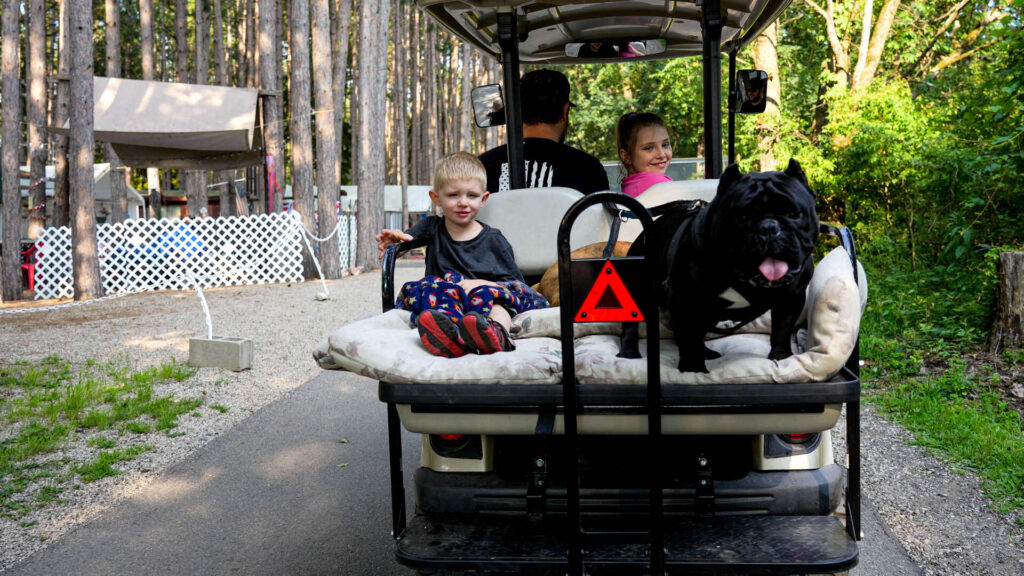
The average American family spends just 37 minutes of quality time together per day—RV travel can dramatically increase that number by removing digital distractions and creating shared experiences. When you’re traveling together in a rolling home, every moment becomes an opportunity for connection. RV travel fosters a sense of togetherness and adventure, helping families build lasting memories and a sense of comfort as they explore new places together.
Unlike flying to a destination where the journey is something to endure, RV travel makes the journey part of the adventure. Kids watch landscapes change outside their window, spot wildlife, play road trip games, and arrive at each destination already engaged with their surroundings.
“RV travel fundamentally changes the family vacation equation. Instead of rushing from point A to point B, families learn to embrace the journey itself as the destination.”
Cost Savings That Add Up
For families watching their budgets, RV travel offers compelling economics. Consider these numbers:
- Expense Category: Traditional Vacation (Family of 4) vs RV Travel (Family of 4)
- Lodging (7 nights): $1,400-$2,800 vs $500-$1,500
- Dining Out (7 days): $840-$1,400 vs $350-$500 (cooking in RV)
- Airfare: $1,200-$2,400 vs $0
- Rental Car: $350-$700 vs $0
- Total Range: $3,790-$7,300 vs $850-$2,000 + fuel
A typical family can save 40-60% on vacation costs by choosing RV travel over traditional hotel-and-flight vacations. Even factoring in fuel costs and RV rental fees, the math often favors the open road.
Educational Opportunities Everywhere
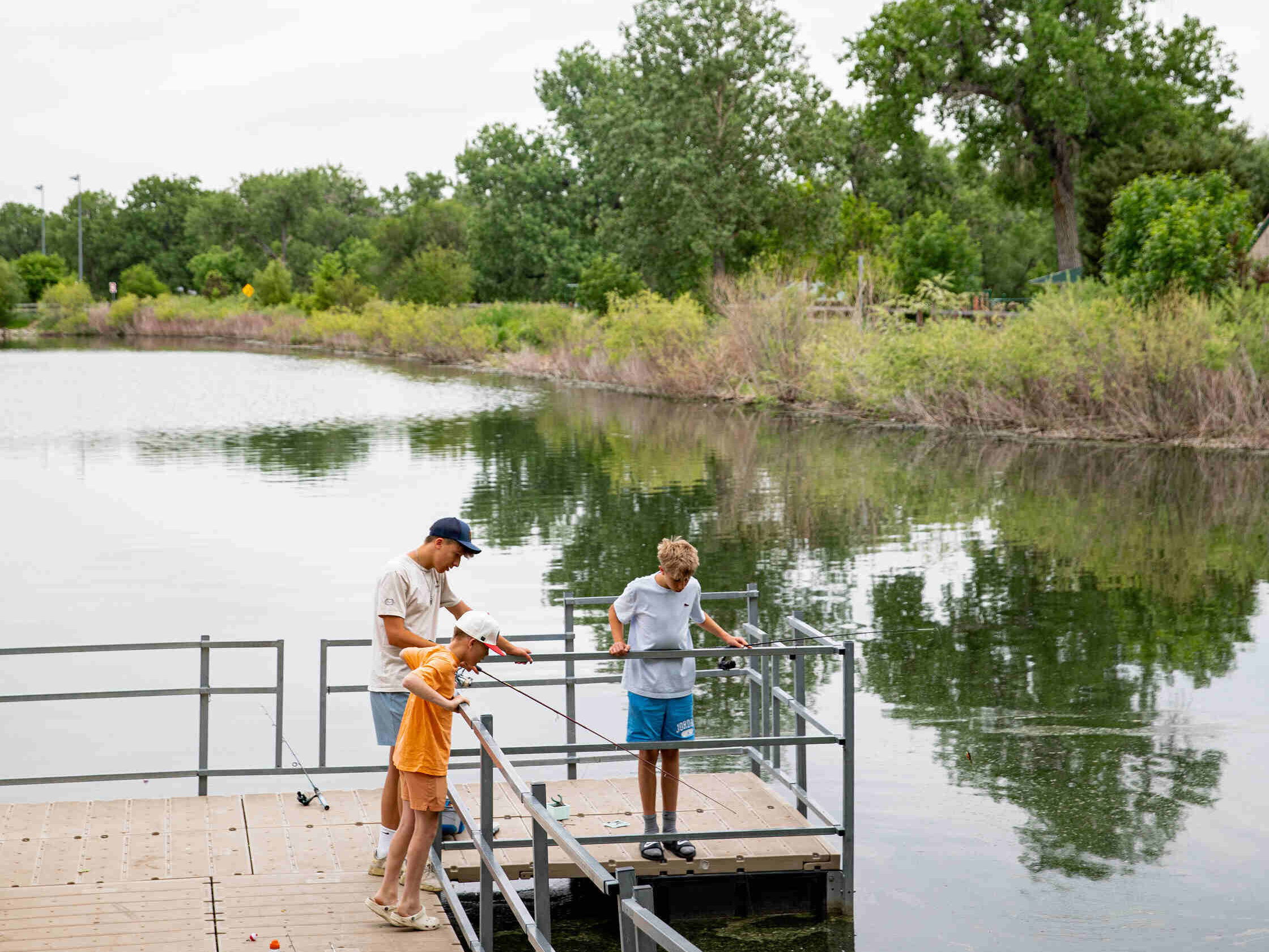
RV travel transforms America’s landscapes into a living classroom. Your kids will learn:
- Geography by watching terrain change from plains to mountains to coastlines
- History at national monuments, battlefields, and historic sites
- Science through Junior Ranger programs, nature centers, and wildlife observation
- Life skills including navigation, budgeting, meal planning, and problem-solving
These real-world lessons go far beyond what can be learned in a classroom. Teachers often notice the curiosity and knowledge gained from these experiences, as children return with a deeper understanding and respect for nature that textbooks alone can’t provide.
Quotable: “Every mile traveled in an RV presents a new learning opportunity—geography becomes real when children watch the landscape transform outside their window.”
Choosing the Right RV for Your Family
Understanding RV Types
Not all RVs are created equal, especially when kids are involved. Here’s a breakdown of your options:
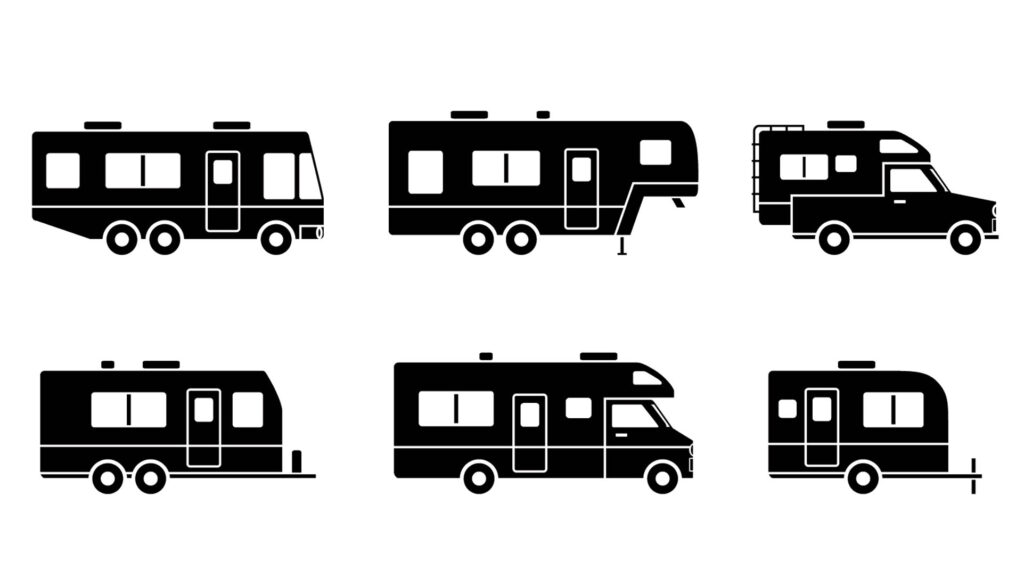
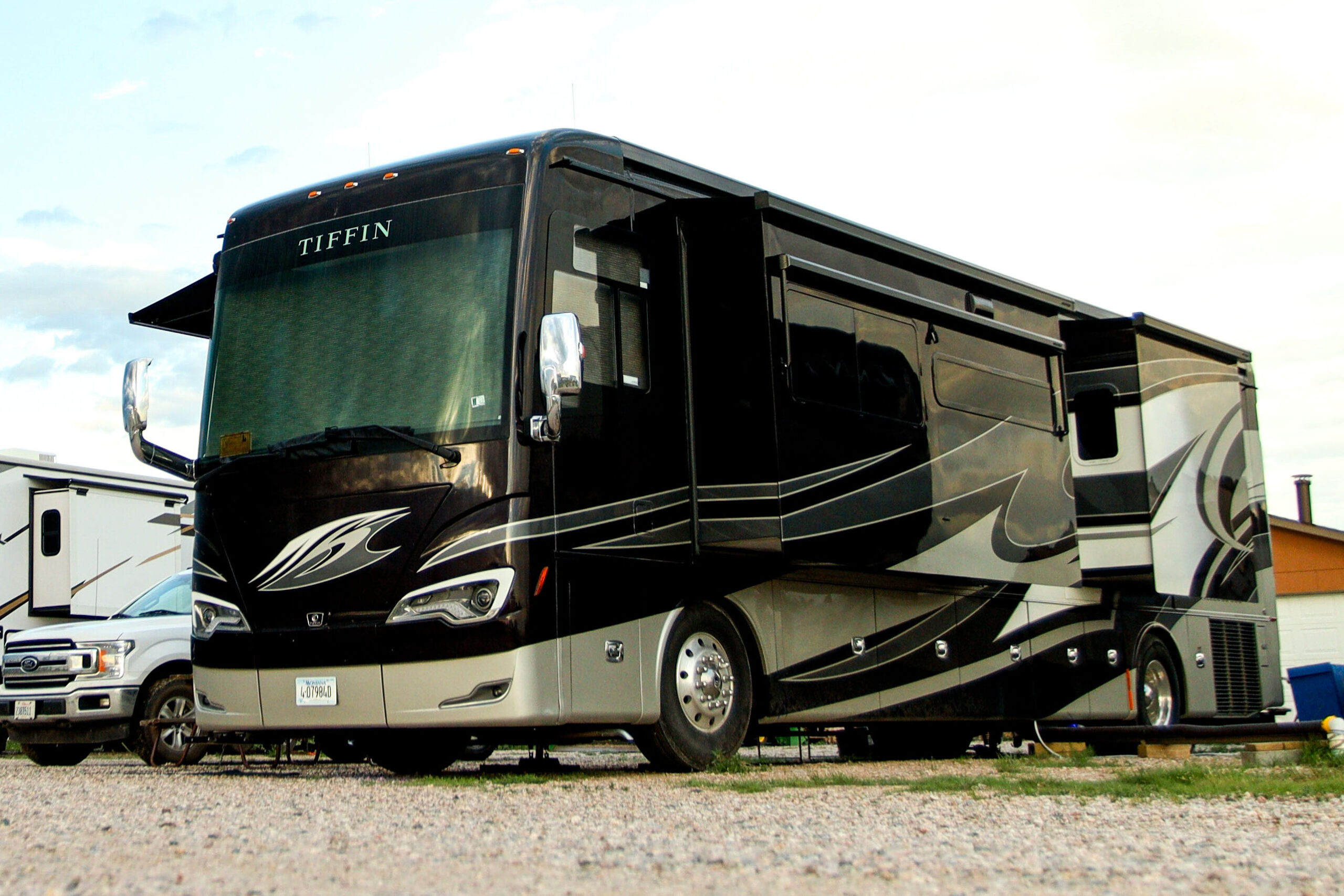
Class A Motorhomes (30-45 feet)
- Best for: Large families, extended trips, maximum comfort
- Pros: Most living space, residential features, storage capacity
- Cons: Harder to drive, lower fuel economy, can’t unhitch to explore
- These are often chosen by families who decide to RV full time due to their spaciousness and home-like amenities.
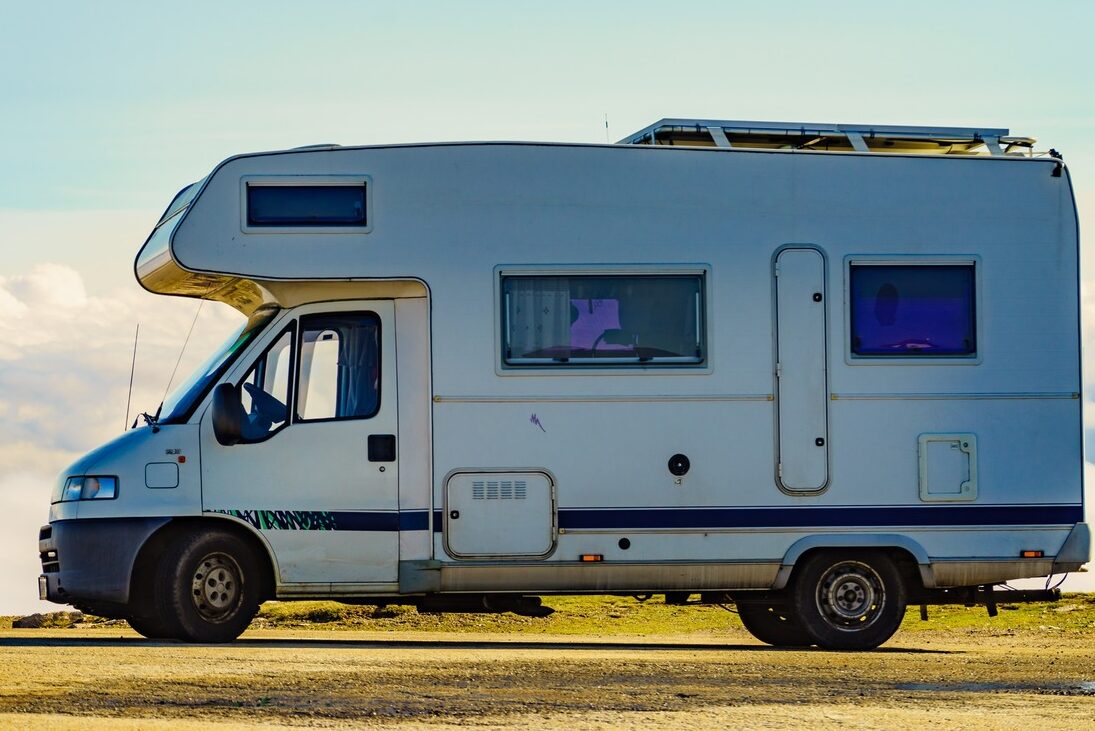
Class C Motorhomes
(20-33 feet)
- Best for: Families with young children, first-time RVers
- Pros: Overhead sleeping area perfect for kids, easier to drive than Class A, good balance of space and maneuverability
- Cons: Still requires getting comfortable with a larger vehicle
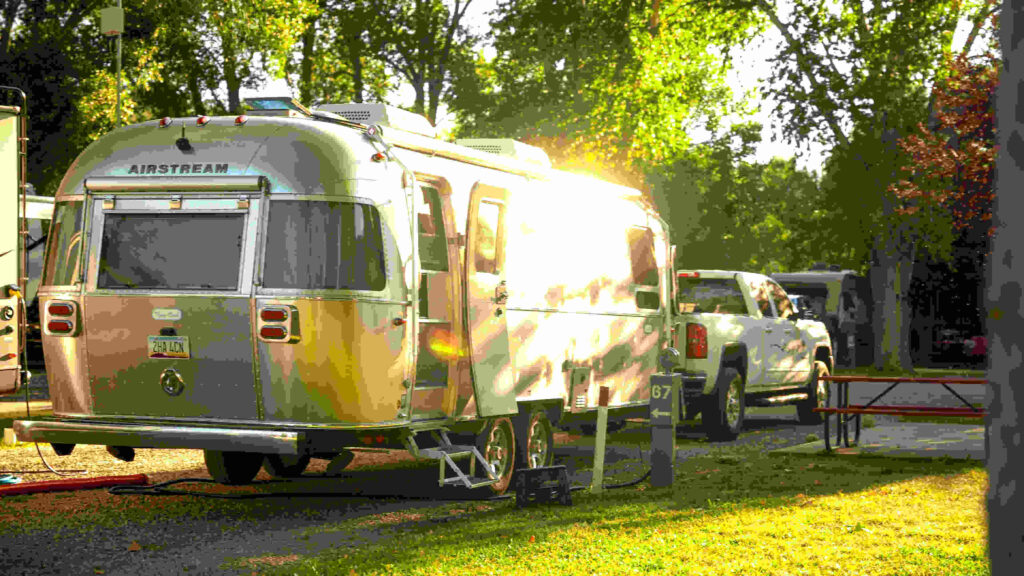
Travel Trailers (12-35 feet)
- Best for: Families who want to unhitch and explore
- Pros: Wide variety of sizes and floor plans, can leave trailer at campsite, often more affordable
- Cons: Requires tow vehicle, backing up takes practice
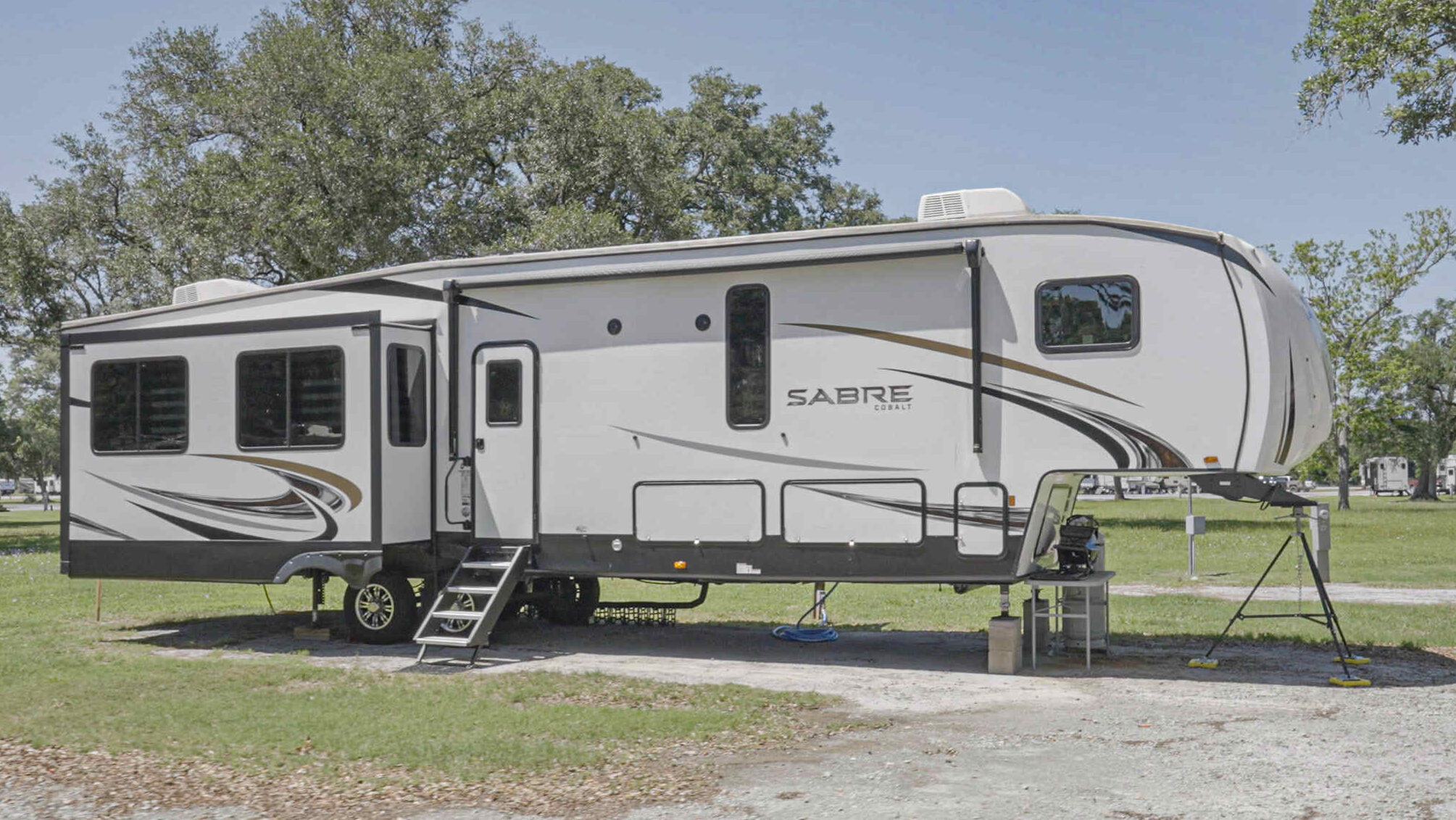
Fifth Wheels (22-40 feet)
- Best for: Families seeking maximum space in a towable option
- Pros: Excellent floor plans, often have separate bedrooms, stable towing
- Cons: Requires truck with fifth-wheel hitch, heavier investment
- Fifth wheels are also a popular choice for families who RV full time, offering plenty of room and comfort for long-term living.
Family-Friendly Features to Prioritize
When selecting or renting an RV for travel with kids, look for these essential features:
Bunkhouse Floor PlansMany manufacturers now offer “bunkhouse” models specifically designed for families. These feature dedicated sleeping areas for children, often with 2-4 bunks in a separate section. Bunkhouse RVs have become the fastest-selling floor plan category for families, with sales increasing 25% over the past five years.
Safety Considerations
- Choose RVs meeting Federal Motor Vehicle Safety Standard 208, which requires Type 2 (lap and shoulder) belts in all forward-facing seating positions
- Ensure adequate seatbelts for every family member
- Look for lower bunks with safety rails for younger children
- Consider RVs with rear bedrooms that can be closed off
- Make sure the RV provides a safe place for children to sleep and play, with secure sleeping areas and child-friendly spaces
Practical Amenities
- Full bathroom with shower (essential for families!)
- Kitchen with adequate counter space and storage
- Outdoor kitchen option for mess-free cooking
- Generous fresh water and waste tank capacities
- Adequate climate control for all sleeping areas
Quotable: “The single most important safety decision when RVing with children is ensuring every passenger has access to a proper seatbelt in a forward-facing seat during travel.”
Essential Packing Guide for RV Travel with Kids
The Master Packing List
Packing for RV travel with kids requires balancing preparedness with space constraints. Here’s your comprehensive checklist:
Clothing Essentials (Per Child)
- 7-10 days of clothing regardless of trip length (laundry facilities available at most campgrounds)
- 2 pairs of sturdy shoes (one for hiking, one for water activities)
- Rain gear and lightweight jacket
- Swimsuits (pack 2 for faster drying time)
- Sun hats and warm hats depending on destination
- Pajamas that work for varying temperatures
Bedding and Comfort
- Sleeping bags or fitted RV sheets
- Favorite pillow and stuffed animal from home
- Lightweight blankets for movie nights
- Nightlights (battery-operated or plug-in)
Safety and Health
- First aid kit with child-specific medications
- Sunscreen (SPF 30 or higher)
- Insect repellent
- Any prescription medications
- Insurance cards and medical information
- Emergency contact list
Entertainment (The Sanity Savers)
- Tablets or devices with downloaded content (no WiFi required)
- Headphones for each child
- Coloring books, crayons, and activity books
- Travel-sized games and playing cards
- Books appropriate for each child’s reading level
- Binoculars for wildlife watching
- Nature journals and field guides
Kitchen Essentials
- Plastic plates, cups, and utensils
- Snack containers and zip-lock bags
- Easy-clean water bottles
- High chair or booster seat for toddlers
- Favorite non-perishable snacks
Outdoor Comfort and Gear
- Camp chairs for each family member—essential for outdoor comfort, relaxation, and family gatherings at the campsite
Space-Saving Packing Tips
RV storage space is finite—the average family RV offers 50-100 cubic feet of storage, compared to unlimited luggage at a hotel. Maximize your space with these strategies:
- Use packing cubes to organize clothing by child and activity type
- Roll clothes instead of folding to save space
- Choose multi-purpose items (a sarong works as a blanket, beach cover-up, and towel)
- Leave duplicates at home—you only need one bottle of shampoo for the family
- Pack a “first night” bag with essentials accessible without unloading everything
“The golden rule of RV packing: if you wouldn’t use it twice during your trip, leave it at home.”
Safety Guidelines for RV Travel with Children
Driving Safety Rules
Safety while the RV is in motion is non-negotiable. Establish these rules before your first trip:
The Seatbelt RuleEvery passenger must be seated and belted whenever the RV is moving. The National Highway Traffic Safety Administration reports that proper restraint use reduces the risk of fatal injury by 45% in crashes. No exceptions—not even for quick bathroom trips.
Off-Limits Areas While Moving
- Sleeping areas (bunks, beds, convertible sofas)
- Bathroom (plan stops every 2-3 hours)
- Cockpit area (unless in designated passenger seat)
Safe Stopping Practices
- Use designated rest areas and truck stops
- Always set the parking brake
- Never leave children unattended in the RV
- Establish a “buddy system” for rest stop bathroom visits
- Adults should always supervise children during rest stops and ensure all safety rules are followed.
Campsite Safety
Once you’ve arrived at your destination, new safety considerations come into play:
Setting Up Safely
- Walk the campsite perimeter with children, identifying boundaries
- Point out fire pits, utility hookups, and other hazards
- Establish rules about staying within sight
- Remind children about the importance of staying close to parents or guardians at all times to ensure their safety and prevent wandering off
- Teach children to respect animals by not feeding wildlife and making sure no food or trash is left out to avoid attracting animals to the campsite
- Create a family meeting spot in case anyone gets separated
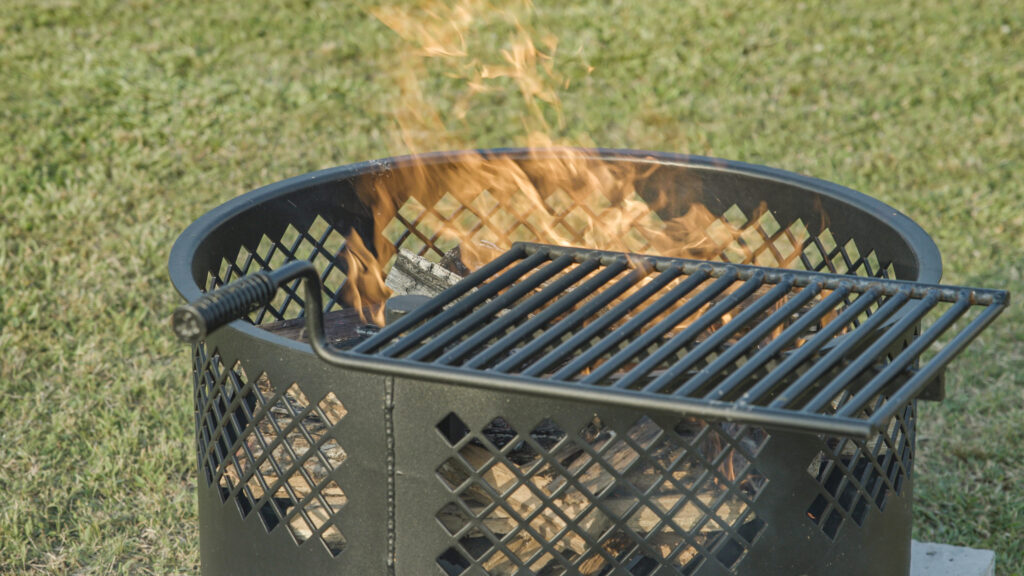
Fire Safety
- Keep children 3 feet away from campfires at all times
- Never leave fires unattended
- Teach “stop, drop, and roll” before the trip
- Show children the location of the RV’s fire extinguisher
- Test smoke and carbon monoxide detectors before departure
Water Safety
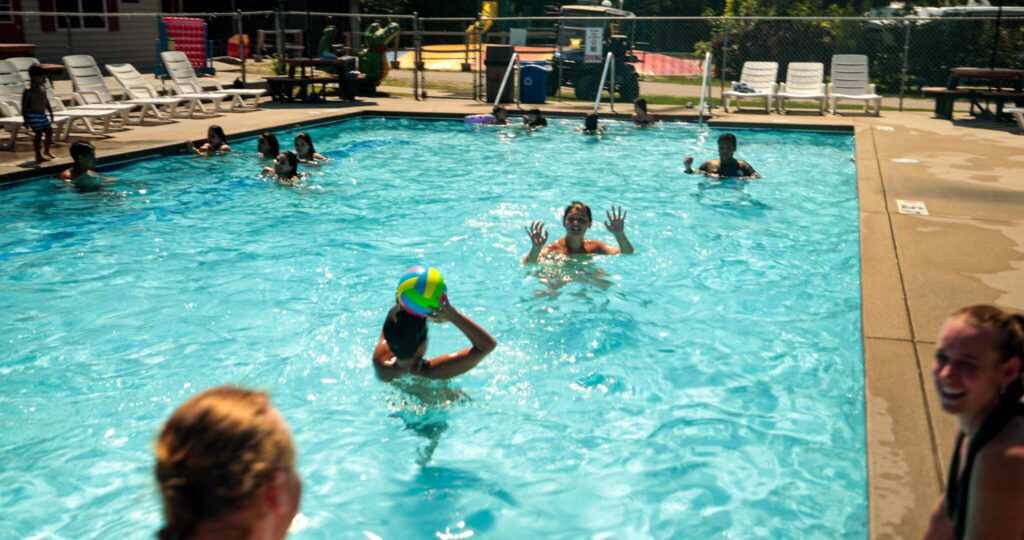
- Constant adult supervision near pools, lakes, and beaches
- Coast Guard-approved life jackets for all water activities
- Establish swimming buddy rules
- Identify lifeguard-supervised areas at resort campgrounds
“Campsite safety starts with a family walk-through.
Spend 10 minutes identifying boundaries and hazards, and you’ll prevent hours of worry.”
Keeping Kids Entertained on the Road
The Art of the Road Trip Game
Long drives don’t have to mean endless complaints of “Are we there yet?” These classic and creative games keep everyone engaged and help kids sit patiently during long drives:
License Plate GameCreate a map or checklist of all 50 states. The average cross-country RV trip encounters license plates from 35-40 different states. First one to spot them all wins! This game encourages kids to sit quietly and focus on spotting plates.
20 QuestionsOne person thinks of something, others ask yes/no questions. Perfect for developing critical thinking skills and helping kids sit still as they listen and guess.
Road Trip BingoCreate bingo cards with common roadside sights: red barn, motorcycle, water tower, rest area sign, RV bigger than ours.
The Alphabet GameFind words starting with each letter of the alphabet, in order, on signs and billboards.
Story BuildingOne person starts a story with one sentence. Each family member adds a sentence. The results are often hilarious.
Technology: Finding the Right Balance
Let’s be realistic, screens have a place in modern road trips. The key is thoughtful use:
Pre-Download Everything
Cell service is unreliable on many scenic routes. Before departure:
- Download movies and shows on streaming apps
- Save audiobooks and podcasts
- Download educational apps that work offline
- Prepare playlist of family-friendly music
Create Screen-Free Zones
Establish technology boundaries that work for your family:
- First hour of driving each day is conversation time
- Meals are always screen-free
- Sunset activities at campground are unplugged
Educational Screen Time
Turn screen time into learning time with:
- Documentary series about upcoming destinations
- Audiobooks related to places you’ll visit
- Astronomy apps for nighttime stargazing
- Nature identification apps for hikes
Audio Entertainment
Audiobooks and podcasts are the unsung heroes of RV travel with kids—families report that shared listening experiences spark conversations and create bonding moments that individual screen time cannot replicate.
Family-Friendly Audiobook Recommendations:
- The Wild Robot by Peter Brown (ages 8+)
- Percy Jackson series by Rick Riordan (ages 9+)
- Charlotte’s Web by E.B. White (ages 6+)
- The One and Only Ivan by Katherine Applegate (ages 8+)
Kid-Friendly Podcasts:
- Wow in the World (science and curiosity)
- Story Pirates (kid-written stories performed by comedians)
- Brains On! (science podcast for kids)
- What If World (imaginative storytelling)
Meal Planning and Cooking in Your RV
Simple Strategies for Feeding Hungry Travelers
Cooking in an RV kitchen requires adapting home cooking habits to smaller spaces and limited equipment. The average RV kitchen measures just 20-40 square feet compared to 100-200 square feet in a typical home kitchen.
Essential RV Kitchen Equipment
- One quality chef’s knife (you don’t need a full set)
- Nesting pots and pans
- Collapsible colander and mixing bowls
- Instant-read thermometer
- Cast iron skillet (works on stove and campfire)
- Instant Pot or similar multi-cooker (replaces multiple appliances)
Kid-Approved RV Recipes
Quick Breakfast Ideas
- Overnight oats prepared the night before
- Breakfast burritos with pre-cooked fillings
- Yogurt parfaits with fruit and granola
- Pancakes using just-add-water mix
Many of these breakfast ideas are especially popular with young kids, who tend to enjoy simple, familiar flavors and easy-to-eat options.
Easy Lunch Options
- Build-your-own sandwich bar
- Tortilla wraps with various fillings
- Pasta salad made in large batches
- Hot dogs or quesadillas at the campsite
Stress-Free Dinners
- One-pot pasta dishes
- Foil packet meals on the campfire
- Slow cooker meals that cook while driving
- Pre-marinated meats for quick grilling
“The secret to happy RV meals with kids is pre-preparation—spend one evening before your trip prepping ingredients, and you’ll save hours of campground cooking time.”
Snack Station Strategy
Kids seem to need snacks approximately every 27 minutes while traveling. Set up a dedicated snack station:
The Snack Box
Designate a specific drawer or bin as the “snack zone” stocked with:
- Individual portions of crackers and pretzels
- Dried fruit and trail mix
- Granola bars and fruit pouches
- Cheese sticks (kept in nearby fridge)
Establish rules: one snack per hour from the box, chosen independently. This gives kids autonomy while preventing constant requests.
Best Destinations for RV Travel with Kids
National Parks: America’s Playground
The National Park Service welcomes over 312 million visitors annually, with families representing the largest visitor demographic. These parks offer unparalleled experiences for children:
Yellowstone National Park (Wyoming/Montana/Idaho)
- Old Faithful and 500+ geysers to amaze young scientists
- Wildlife viewing opportunities (bison, elk, bears from safe distances)
- Junior Ranger Program for ages 5-12
- Multiple campgrounds with family-friendly facilities
Bryce Canyon National Park (Utah)
For families exploring Utah’s stunning red rock country, Bryce Canyon RV Resort offers an ideal base camp with full hookups and modern amenities just minutes from the park entrance. Bryce Canyon contains the largest concentration of hoodoos (rock spires) anywhere on Earth—over 30,000 of them. The park’s main viewpoints and trails are easily accessible, making it convenient for families to explore the unique landscape. RV campgrounds in Utah offer a range of options for those looking to explore not only Bryce Canyon but many other scenic destinations across the state.
Grand Canyon National Park (Arizona)
- Accessible rim trails suitable for families
- Ranger-led programs specifically designed for children
- IMAX theater for context and education
- South Rim campgrounds open year-round
- Many of the park’s main attractions are easily accessible, allowing families to enjoy breathtaking views without long hikes.
Yosemite National Park (California)
- Iconic landmarks like El Capitan and Half Dome
- Family-friendly trails including the 1.6-mile round trip to Bridalveil Fall
- Summer swimming in the Merced River
- Evening ranger programs and campfire talks
Zion National Park (Utah)Families heading to Zion will find excellent accommodations at nearby Cedar City RV Resort or Dixie Forest RV Resort, both providing comfortable bases for exploring southern Utah’s natural wonders. The Riverside Walk trail offers wheelchair and stroller accessibility, making it perfect for families with young children. Many of Zion’s scenic spots are easily accessible, ensuring families can experience the park’s beauty with minimal effort.
Beach Destinations
Gulf Coast Adventures
The Gulf Coast offers warm waters, gentle waves, and family-friendly beaches. Rockport RV Resort in Texas provides excellent access to coastal birding, fishing, and beach activities perfect for families. Nearby, Lake Charles RV Resort offers Cajun culture, wildlife refuges, and easy beach access.
Atlantic Coast Escapes
Sunburst RV Resort in Florida puts families within reach of some of the state’s best beaches and attractions. Florida’s Gulf Coast beaches consistently rank among the top 10 family beaches in America due to calm waters and soft sand.
Lake and River Adventures
For families who love water activities, lakeside camping can’t be beat:
The Point at Lake Hartwell in South Carolina offers swimming, fishing, and boating on one of the Southeast’s premier lakes. Lake Hartwell spans 56,000 acres and offers 962 miles of shoreline—plenty of room for family exploration.
Lake Conroe RV Campground provides Texas families with swimming, fishing, and water sports just north of Houston.
Minnesota’s Canary Beach Resort delivers classic northwoods lake camping with fishing, swimming, and countless opportunities to create summer memories.
Mountain Retreats
Colorado Adventures
Colorado’s mountain parks offer cooler summer temperatures and stunning scenery. Applewood RV Resort near Denver provides easy access to Rocky Mountain National Park and mountain attractions.
For families exploring the Four Corners region, Cortez RV Resort and Dolores River RV Resort offer access to Mesa Verde National Park, ancient cliff dwellings, and river activities.
Wyoming Wilderness
Cheyenne RV Resort makes an excellent base for exploring the region, while Laramie RV Resort and Pine Bluffs RV Park provide stops along the corridor to Yellowstone and Grand Teton National Parks.
Creating the Perfect Campground Experience
What to Look for in Family-Friendly Campgrounds
Not all campgrounds are created equal when traveling with children. Prioritize these amenities:
Essential Family Amenities
- Clean restrooms and showers (24/7 access)
- Shower facilities: Look for campgrounds with clean, easily accessible shower facilities. Good water pressure, hot water, and cleanliness make a big difference for families after a long day.
- Playground or recreation area
- Swimming pool or beach access
- Laundry facilities (crucial for longer trips!)
- Camp store for forgotten essentials
Nice-to-Have Features
- Organized kids’ activities
- Game room or recreation hall
- Fishing pond or equipment rental
- Bike rental
- Nature trails
- WiFi (for rainy day entertainment)
Quotable: “The best family campgrounds balance structured activities with unstructured exploration time—children need both entertainment and the freedom to discover nature on their own terms.”
Other Campground Chains Known for Family Programming
Several campground networks have built reputations for exceptional family experiences:
Thousand Trails
The Thousand Trails network offers membership-based camping with consistent amenities and family-friendly atmospheres across their properties. Members gain access to diverse locations from coast to coast.
KOA (Kampgrounds of America)
KOA properties often feature organized activities, themed weekends, and predictable amenities that traveling families appreciate. Their “Kamp K9” dog parks make them ideal for families traveling with pets.
Yogi Bear’s Jellystone Park Camp-Resorts
These family-focused resorts offer themed weeks with daily activities from Memorial Day through early August. Jellystone Parks host over 2 million campers annually and are specifically designed around family entertainment.
RJourney Properties Perfect for Families
RJourney campgrounds across the country offer family-friendly amenities and prime locations:
Midwest Family Fun
Splash Magic RV Resort in Pennsylvania lives up to its name with water attractions perfect for cooling off summer travelers.
Baraboo RV Resort in Wisconsin places families near the Wisconsin Dells—America’s Water Park Capital.
Southern Hospitality
Clarksville RV Resort in Tennessee offers a comfortable base for exploring Nashville and the surrounding region. Families heading to the Great Smoky Mountains will appreciate the convenient location for day trips to Pigeon Forge and Gatlinburg.
Pacific Northwest Adventures
Kenanna RV Resort in Washington and Klamath Falls RV Resort in Oregon provide access to the stunning Pacific Northwest landscapes, from volcanic peaks to ancient forests.
Managing Expectations: The Realistic Guide
The First-Timer’s Reality Check
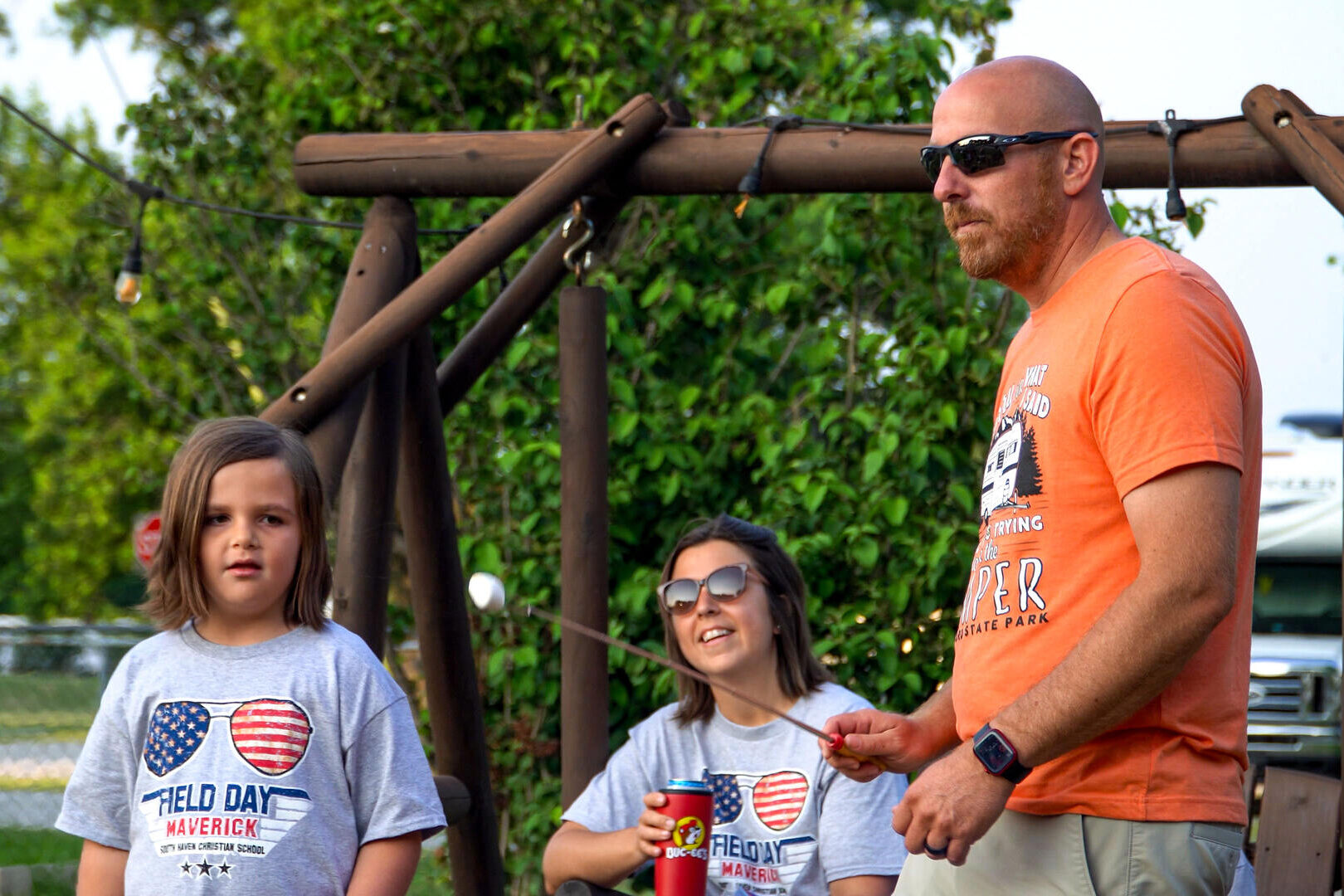
Let’s be honest, RV travel with kids isn’t always Instagram-perfect. Setting realistic expectations prevents disappointment:
Things That Will Happen
- Someone will spill something (multiple times)
- You’ll forget something important (that’s what camp stores are for)
- The kids will argue in the confined space
- At least one campsite won’t meet expectations
- Someone will need a bathroom break 5 minutes after you get on the highway
- The setup will take longer than you planned the first few times
Things That Will Also Happen
- You’ll share incredible moments watching your kids discover new places
- Family conversations will happen that never would at home
- Everyone will develop new skills and confidence
- You’ll return home with stories you’ll tell for years
- The kids will beg to go again
“Perfect RV trips don’t exist, but imperfect trips filled with laughter, problem-solving, and genuine connection create the memories families treasure most.”
Age-Specific Considerations
Infants and Toddlers (0-3)
- Plan shorter driving days (3-4 hours maximum)
- Maintain nap schedules as much as possible
- Keep a consistent sleep routine to help your child adjust to new environments and ensure restful sleep while traveling
- Pack familiar items (blankets, toys) for comfort
- Choose campgrounds with baby-friendly amenities
- Bring a portable crib or pack-and-play that fits your RV
Preschoolers (4-6)
- This age loves the novelty of RV life
- Assign small “jobs” (helping set up camp, sorting utensils)
- Bring ride-on toys or bikes for campground exploration
- Plan lots of movement breaks during driving days
- Junior Ranger programs begin at most parks at this age
Building Family Traditions on the Road
Creating Rituals That Last
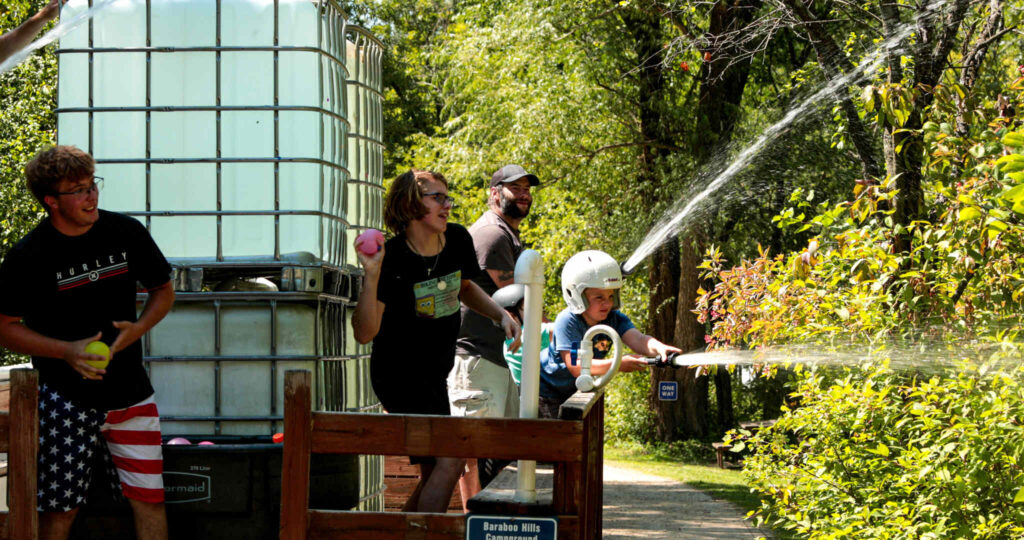
The best family RV trips include traditions that children look forward to year after year:
Trip Traditions to Consider
- First-night pizza celebration
- Campfire s’mores every Friday
- Sunrise hike on the last morning
- Collecting a small item (rock, postcard, magnet) from each destination
- Family photo at every “Welcome to [State]” sign
- Reading aloud together before bed
Daily Rituals
- Morning hot chocolate while watching the campground wake up
- “Best part of the day” conversation at dinner
- Evening campfire stories
- Star-gazing before bedtime
Quotable: “Family traditions don’t need to be elaborate—the simple rituals repeated trip after trip become the touchstones of childhood memory.”
Documenting Your Adventures
Travel Journals
Give each child a journal and encourage daily entries. Younger kids can draw pictures; older ones can write reflections. Children who document their travels demonstrate 30% better memory retention of trip experiences.
Photography Projects
Assign each family member a photography theme:
- Mom: Landscape shots
- Dad: Wildlife and nature
- Child 1: Family candids
- Child 2: Details and close-ups
Compile a collaborative trip album after returning home.
Junior Ranger Badges
The National Park Service offers Junior Ranger programs at over 400 parks, monuments, and historic sites. Completing the workbook at each location earns a badge. Many families create shadow boxes displaying their collected badges.
Quick Facts: RV Travel with Kids at a Glance
- Best Ages for RV Travel: All ages work, but 4-12 is the “sweet spot” for family camping
- Ideal First Trip Length: 3-5 days to test systems without commitment
- Recommended Daily Driving: 250-300 miles maximum (4-5 hours) with kids
- Budget Per Night: $35-$80 for campgrounds with full hookups
- Advance Booking: Popular parks need 3-6 months advance reservations
- Best Seasons: Spring and Fall offer mild weather and smaller crowds
- RV Rental Cost: $150-$350 per night for family-sized units
- House on Wheels: An RV can feel like a house on wheels, providing comfort and familiarity for families transitioning from a traditional home.
Frequently Asked Questions
No schema found.What is the best age to start RV travel with kids?
There is no minimum age for RV travel with children—families successfully travel with infants through teenagers. However, many experienced RV families consider ages 4-12 the “sweet spot” when children are old enough to participate meaningfully but still young enough to find wonder in new experiences. Infants and toddlers can absolutely travel by RV, though trips require more frequent stops and attention to nap schedules. Teenagers enjoy RV travel when given some autonomy and input into trip planning. The best age to start is whatever age your children are right now—every stage offers unique opportunities for family adventure.
How do I keep my kids safe while the RV is moving?
Safety while driving requires strict adherence to seatbelt rules. Every passenger must be seated in a forward-facing seat with a properly fitted seatbelt (lap and shoulder belt) while the vehicle is in motion. Children should never ride in overhead bunks, rear sleeping areas, or any position without a seatbelt during travel. Choose RVs that meet Federal Motor Vehicle Safety Standard 208 to ensure adequate restraints. Plan stops every 2-3 hours for bathroom breaks and movement—trying to allow bathroom use while driving is dangerous and unnecessary. Establish clear rules before departure and enforce them consistently.
How do we handle schoolwork during extended RV trips?
Many families embrace “roadschooling” during extended travels, and RV life offers exceptional educational opportunities. Work with your children’s school to obtain assignments in advance or explore established homeschool curricula designed for traveling families. National parks, museums, and historic sites become living classrooms—one day at Gettysburg teaches more history than a month of textbooks. Document learning through journals, photo essays, and nature collections. Many states have flexible attendance policies for educational travel—contact your school district about options. The key is maintaining some structure while taking advantage of the experiential learning opportunities RV travel provides.
What should I do if my child gets sick while traveling?
Preparation prevents panic. Before departure, identify urgent care facilities and hospitals along your route and at your destination. Pack a comprehensive first aid kit including any prescription medications, children’s pain relievers, anti-nausea medication, and thermometer. Many RV campgrounds, including RJourney properties, can recommend local healthcare providers. For minor illnesses, the RV provides a comfortable space for rest and recovery—often more comfortable than a hotel room. Keep digital copies of insurance cards and important medical information. If symptoms are severe, don’t hesitate to seek emergency care—your child’s health always takes priority over the travel itinerary.
How much does RV travel with kids typically cost?
A family RV camping trip typically costs 40-60% less than an equivalent hotel-based vacation. Campground fees range from $35-$80 per night for full-hookup sites at quality campgrounds, compared to $150-$300+ for a hotel room accommodating a family. Add significant savings from cooking meals in your RV kitchen versus dining out, and the economics become even more favorable. If renting an RV, expect to pay $150-$350 per night for a family-sized unit, plus fuel costs averaging $400-$800 per week depending on distance traveled. First-time RV renters should budget approximately $200-$300 per day total (rental, campground, fuel, and food) for a family of four. RV ownership spreads costs over many trips, often reaching a break-even point after 30-50 nights of camping.
Conclusion: Your Family Adventure Awaits
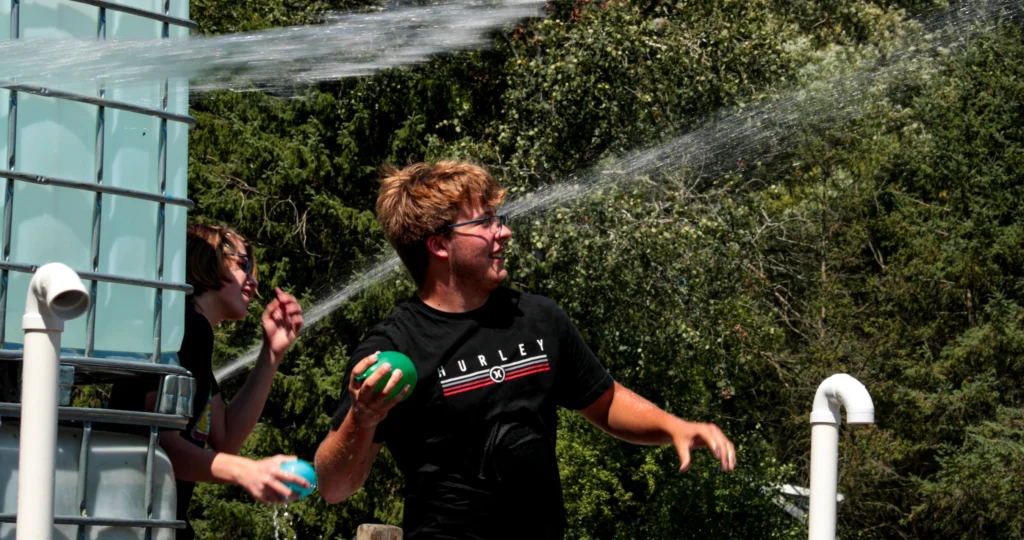
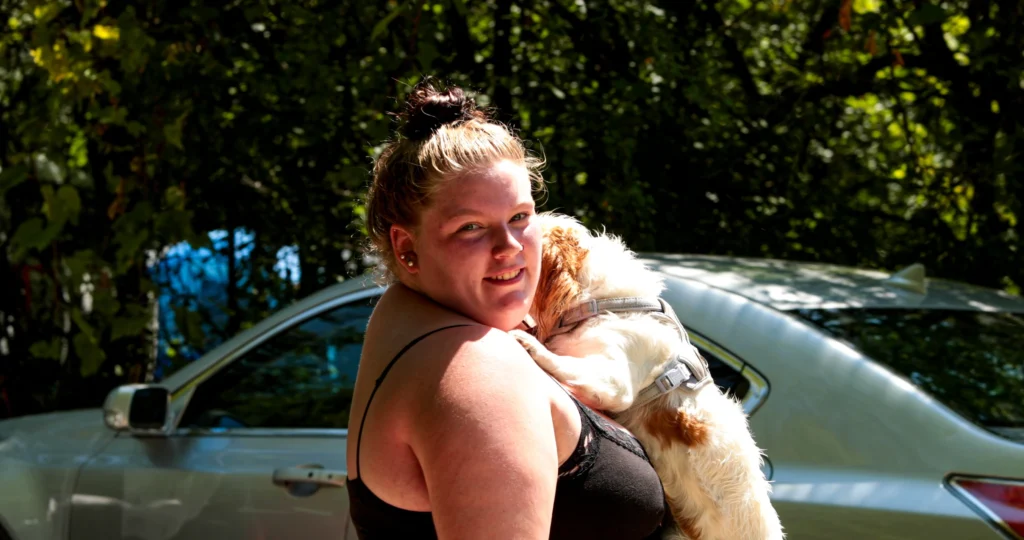
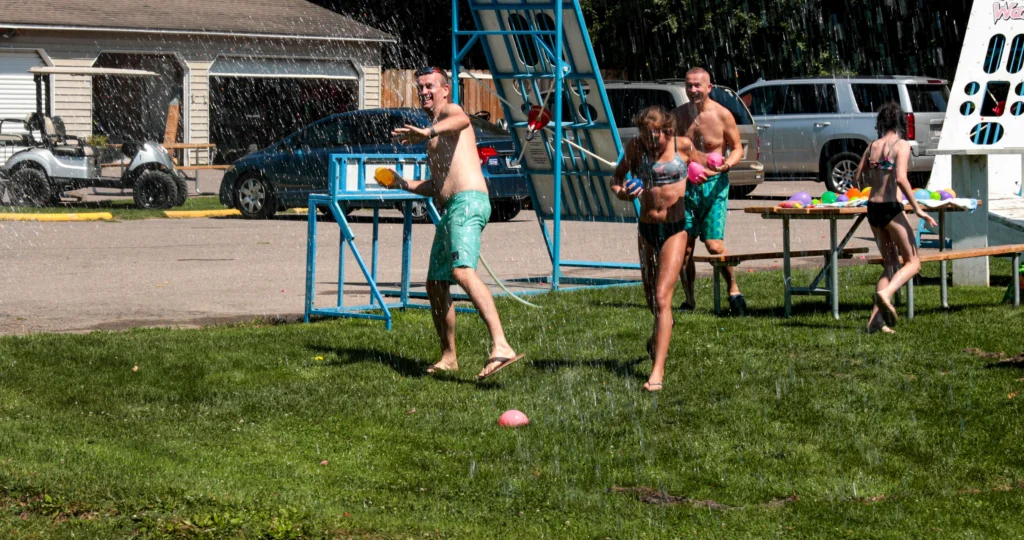
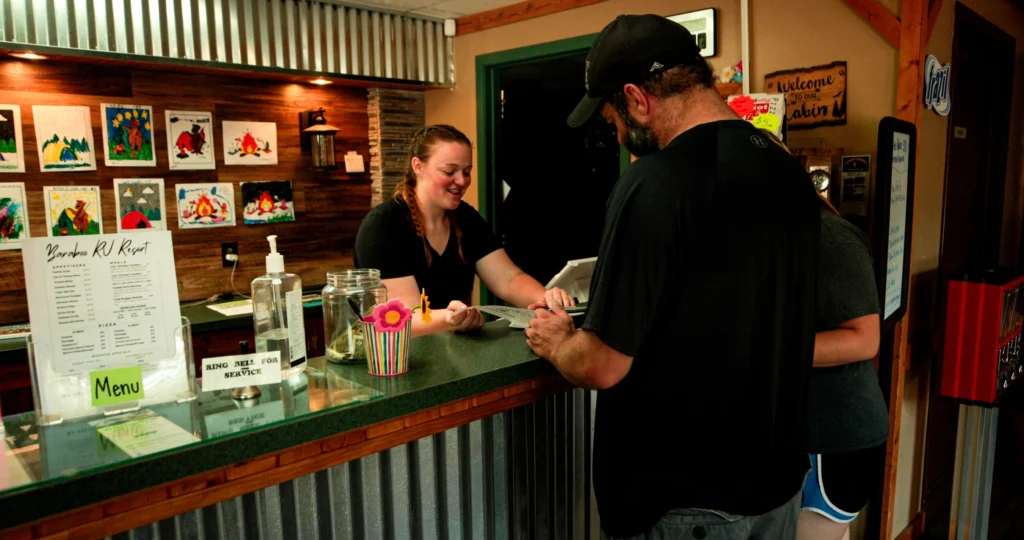


RV travel with kids isn’t just a vacation—it’s a chance to spend more time together, learn on the go, and build stories your family will retell for years. There will be spills, wrong turns, and moments when the close quarters test everyone’s patience. But those challenges are often what lead to the best laughs and the strongest memories. If you’re ready to trade rigid schedules for flexibility, comfort, and connection, now is the time to start planning. Explore RJourney’s family-friendly campgrounds across the country and choose a destination that fits your kids’ ages, interests, and energy level. Then pick a date, book your site, and hit the road.
Have questions about specific RJourney properties for your family trip? Contact our team for personalized recommendations based on your children’s ages, interests, and travel dates. Check out our deals and discounts for savings on your next adventure.